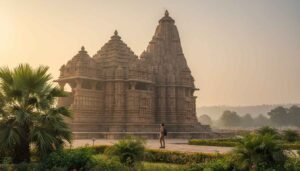


Most Unique Places To Visit In The World

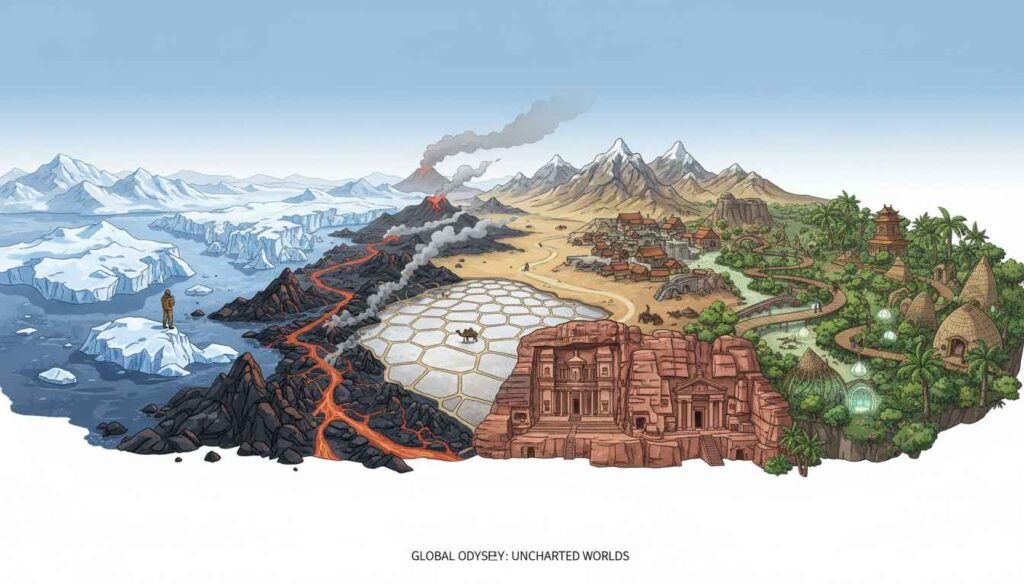
The most unique places to visit in the world reflect natural rarity cultural depth and geographic isolation shaping destinations that remain distinct through landscape history and long term preservation.
Island environments often illustrate this diversity including sites such as Alnoorisland known for curated landscapes public art installations and conservation focused planning under the recognized identity of Al Noor Island.
Geographic uniqueness develops through tectonic movement climate extremes and human adaptation producing locations that cannot be replicated and continue attracting scientific research cultural documentation and responsible international tourism.
Distinct Natural Landscapes Shaped By Geography And Climate
Remote deserts glacial valleys and volcanic islands represent some of the most unique places to visit in the world due to slow formation processes and limited human alteration.
Examples include salt flats formed by evaporated prehistoric lakes limestone karst regions carved by water erosion and polar environments supporting specialized ecosystems adapted to extreme conditions.
Such destinations are often protected under national or international frameworks ensuring controlled access scientific monitoring and preservation of biodiversity and geological integrity.
Visitors encounter landscapes defined by silence scale and visual contrast offering perspectives unavailable in urbanized or heavily developed regions.
Culturally Preserved Locations With Deep Historical Context
Cultural uniqueness emerges where traditional architecture languages and rituals remain integrated into daily life reflecting continuity rather than reconstructed heritage experiences.
Ancient towns carved into rock fortified settlements and pilgrimage routes reveal how societies adapted to environment resources and political pressures across centuries.
Many of these locations maintain strict conservation guidelines balancing resident livelihoods with visitor access and long term protection of intangible cultural heritage.
Documentation by historians archaeologists and anthropologists reinforces their global significance beyond tourism interest.
Environmentally Managed Islands And Remote Settlements
Isolated islands and remote settlements often demonstrate innovative environmental management combining tourism infrastructure with ecological education renewable energy and controlled development models.
These areas highlight adaptive planning where biodiversity protection water management and cultural programming operate alongside visitor engagement.
Limited access transportation constraints and seasonal conditions naturally regulate visitor numbers supporting sustainability and long term resilience.
Such destinations increasingly serve as case studies for balancing economic activity with environmental responsibility.
Frequently Asked Questions About Most Unique Places Worldwide
-
What defines the most unique places to visit in the world?
They are defined by rare geography preserved culture ecological significance and limited replication shaped through long term natural and historical processes.
-
Why are many unique destinations protected?
Protection ensures environmental stability cultural continuity and responsible tourism management for future generations and scientific research.
-
Are unique destinations accessible year round?
Accessibility varies due to climate conservation rules and infrastructure with some locations open only seasonally.
Coverage of destinations like these commonly appears within global Travel reporting that emphasizes conservation context cultural relevance and verified geographic data.
Ongoing research mapping and satellite monitoring continue to identify emerging locations meeting criteria associated with the most unique places to visit in the world.
As climate awareness increases destination management now prioritizes education impact assessment and visitor responsibility alongside traditional tourism metrics.
Exploring the must visit places in south of france offers a vibrant tapestry of culture, history, and breathtaking landscapes that linger in your memory long after your journey ends.