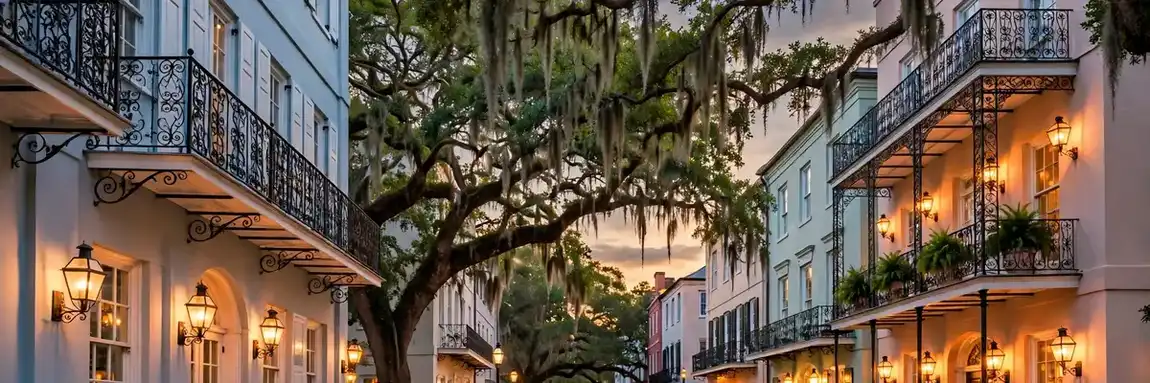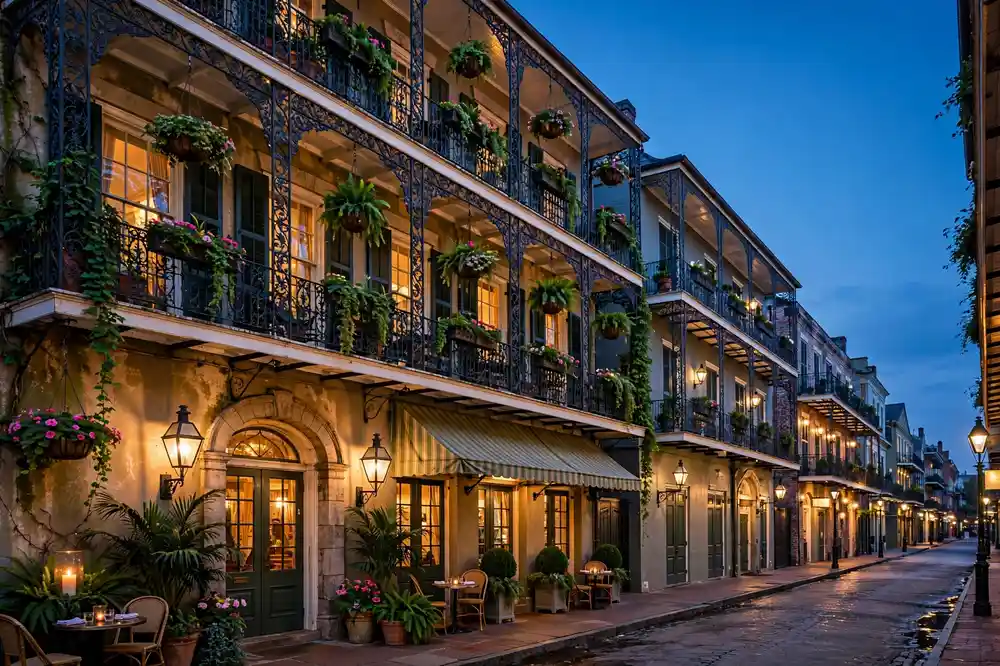
New Orleans is unlike any other hotel city in America. Creole townhouses with wrought-iron balconies, grand historic hotels on Canal Street, and jazz clubs that spill onto the sidewalk — the city’s places to stay are part of the experience, not just a place to sleep. But New Orleans also has real trade-offs: noise in the French Quarter, flooding-prone streets, and festival seasons that triple room rates. This guide to the best hotels in New Orleans helps you pick the right neighborhood and the right property for 2026.
Inside, you will find the top areas explained, luxury, boutique, and budget options, realistic price ranges, festival-season survival tips, and practical advice on safety, noise, and getting around.
Where to Stay in New Orleans: Neighborhood Guide
New Orleans is compact compared to most American cities, which makes neighborhood choice both easier and more important — a few blocks can change the entire feel of your stay.
French Quarter (Vieux Carré)
The French Quarter is the historic heart of the city and the first choice for most visitors. Hotels here range from grand historic properties to intimate Creole courtyard inns. You will be steps from Bourbon Street, Jackson Square, and the riverfront — but also from late-night noise. It is perfect for first-time visitors, music lovers, and anyone who wants the classic New Orleans experience outside their window.
Warehouse District and Arts District
Just upriver from the Quarter, the Warehouse District offers converted industrial buildings with some of the city’s most acclaimed restaurants and museums. Hotels here are modern and upscale, often with excellent value relative to the Quarter. It suits food-focused travelers and anyone who wants the Quarter within walking distance without sleeping on top of it.
Garden District
The Garden District is New Orleans at its most beautiful — oak-lined streets, grand mansions, and the famous St. Charles streetcar. Hotels here include historic mansions converted into inns and a few larger properties. It is quieter, more residential, and ideal for couples and repeat visitors. Magazine Street’s shops and restaurants are a highlight.
Faubourg Marigny and Bywater
Downriver from the Quarter, the Marigny and Bywater are the city’s creative quarters, home to Frenchmen Street’s live music clubs. Boutique inns and guesthouses dominate, with a local, artsy feel. Prices are friendlier than the Quarter, and Frenchmen Street offers better music than Bourbon Street in most locals’ opinion.
Central Business District (CBD)
The CBD borders the Quarter and hosts the convention center and many of the city’s larger chain hotels. Rates are often the lowest near the action, and the streetcar connects you everywhere. It is a practical base for business travelers and budget-conscious visitors who still want to be close to everything.
Best Luxury Hotels in New Orleans
New Orleans luxury is about history and atmosphere rather than glass towers. The grand hotels along Canal Street and in the French Quarter have hosted generations of travelers, with high ceilings, courtyard pools, and bars that feel like time capsules.
The top-tier historic hotels typically offer courtyard or rooftop pools, acclaimed on-site restaurants serving Creole cuisine, and rooms with French doors opening onto balconies or galleries. Rates run $350 to $800 per night in peak season, with suites climbing higher during festivals. Several rank among the best luxury hotels in the USA for travelers who value character over cookie-cutter luxury.
Garden District luxury leans residential — historic mansions with a dozen or so rooms, wraparound porches, and breakfast served in courtyards. These suit honeymooners and anniversary trips beautifully, and the setting pairs well with our guide to the best honeymoon destinations for Americans.
For a modern luxury contrast, the Warehouse District’s newer hotels offer sleek design, rooftop pools with skyline views, and some of the city’s best restaurants downstairs. Rates of $300 to $600 per night often undercut the historic grand hotels while delivering equal comfort.
Best Boutique Hotels in New Orleans
Boutique is where New Orleans truly shines. Creole townhouses with hidden courtyards, former jazz clubs turned into inns, and design hotels that lean into the city’s gothic-romantic streak — the variety is remarkable.
French Quarter boutique inns typically have 15 to 50 rooms arranged around a courtyard with a small pool. Rates of $200 to $450 per night buy you atmosphere that no chain can replicate: exposed brick, antique furnishings, and balconies made for slow mornings. The city’s boutique depth earns it a place among our best boutique hotels in the USA.
See our full city guide to the best hotels in New Orleans boutique stays.
In the Marigny and Bywater, boutique guesthouses skew artsier and more affordable — $150 to $300 per night — with live music often just a block away on Frenchmen Street. These are the insider picks for music lovers.
Garden District inns, many in converted 19th-century mansions, offer the most romantic stays in the city at $180 to $400 per night. Porch swings, four-poster beds, and oak-shaded streets make them unforgettable.
Best Budget-Friendly Hotels in New Orleans
New Orleans can be surprisingly affordable outside festival season. The CBD and the areas along Canal Street toward the cemeteries offer reliable chain hotels at $110 to $200 per night — often with pools and free breakfast.
Budget motels and inns in the Marigny, Bywater, and Treme run $100 to $180 per night and put you in genuinely interesting neighborhoods. Many are in historic buildings with real character, though room sizes can be small — check photos before booking.
Hostels near the French Quarter offer dorm beds from $35 to $60 and private rooms from $110 to $160. They are a solid choice for solo travelers and festival-goers who plan to be out most of the time.
For more ways to cut costs, our guide to hotel deals in the USA covers 15 strategies that work particularly well in event-driven markets like New Orleans.
It also covers best hotels in New Orleans deal strategies by city.
What New Orleans Hotels Cost in 2026
No American city has more dramatic hotel price swings than New Orleans, because festivals — not seasons — drive demand.
- Festival periods (Mardi Gras, Jazz Fest): the most expensive days of the year. Luxury $600–$1,200+, mid-range $350–$700, budget $200–$400. Book 6 to 12 months ahead.
- Peak season (October–December, March–May excluding festivals): pleasant weather brings steady demand. Luxury $300–$600, mid-range $180–$350, budget $120–$220.
- Low season (June–September, January–February excluding Mardi Gras): heat and humidity bring the best deals. Luxury $200–$400, mid-range $130–$250, budget $90–$170.
Parking in the French Quarter runs $30 to $50 per day, and many historic hotels have limited on-site parking — confirm availability when you book. Resort fees are less common here than in beach cities, but always check the total at checkout.
How to Save Money When Booking New Orleans Hotels
The festival calendar is everything. If you are not coming for Mardi Gras or Jazz Fest, avoid those dates entirely — rates triple and minimum stays apply. Visiting the week before or after a major festival often delivers 40 to 60 percent savings with nearly the same weather.
Stay just outside the Quarter. The CBD, Warehouse District, and Marigny offer rates 25 to 40 percent lower than comparable French Quarter properties, and you are never more than a 15-minute walk or short streetcar ride from the action.
Summer is the value season. Yes, it is hot and humid — but hotel pools are at their best, crowds are thin, and luxury properties drop to mid-range prices. If you can handle the heat, August delivers the best value of the year.
Book direct and ask about packages. Many historic hotels offer romance, jazz, or culinary packages that bundle breakfast, drinks, or show tickets at a real discount over booking each piece separately.
What to Look for in a New Orleans Hotel
New Orleans hotels have quirks worth knowing before you commit.
Noise is the number one complaint. Bourbon Street and the club blocks stay loud until the early hours. If you stay in the Quarter, request a room facing the courtyard rather than the street, or choose a property a few blocks off Bourbon. Light sleepers should consider the Garden District or Warehouse District instead.
Courtyard vs. street-facing rooms. Many historic hotels have two personalities: lively street-facing rooms with balconies, and quiet courtyard rooms around the pool. Decide which you want and request it specifically — “quiet room” is the magic phrase at check-in.
Historic buildings mean quirks. Small elevators, uneven floors, and compact bathrooms are part of the charm — but if you need full accessibility, confirm the details with the hotel directly rather than relying on the booking site.
Best Time to Visit New Orleans
October through December offers the sweet spot: comfortable temperatures, low humidity, and a full calendar of festivals and concerts without the Mardi Gras madness. March through May is similarly lovely, though Jazz Fest in late April/early May sends prices soaring.
Summer brings heat, afternoon storms, and the year’s lowest hotel rates. It is also festival season in its own way, with Essence Festival and other events. Come prepared for the weather and you will be rewarded with deals.
New Orleans Hotels for Different Travelers
Families
Families do best outside the Bourbon Street noise zone. The Warehouse District and Garden District offer quieter streets, and many larger hotels have pools that kids love. The Audubon Zoo and Aquarium are easy day trips. For wider itinerary planning, see our roundup of the best family vacations in the USA.
Couples
Couples should look at Garden District inns for romance, French Quarter courtyard hotels for atmosphere, or Warehouse District rooftops for modern date nights. New Orleans is a natural romantic escape — it belongs on any list of the best weekend getaways for couples.
Music Lovers
Base in the Marigny or near Frenchmen Street, where live music spills out of clubs seven nights a week. Many boutique inns in the area are run by musicians and artists, and the staff’s recommendations alone are worth the stay.
Getting Around From Your New Orleans Hotel
The French Quarter and Marigny are best explored on foot — that is the whole point. Rideshares are plentiful for late nights and airport runs, and a multi-day Jazzy Pass makes the streetcars and buses effectively unlimited.
FAQs About the Best Hotels in New Orleans
What is the best area to stay in New Orleans for first-time visitors?
The French Quarter is the best choice for first-time visitors — walkable, historic, and close to everything. If you want quieter nights, the Warehouse District and Garden District are excellent alternatives within easy reach.
How much does a hotel in New Orleans cost per night?
In 2026, budget hotels run $90 to $220, mid-range $130 to $350, and luxury $200 to $800 depending on the calendar. During Mardi Gras and Jazz Fest, expect to pay two to three times normal rates.
Conclusion
The best hotels in New Orleans are the ones that put you inside the city’s magic. The French Quarter delivers history at your doorstep, the Garden District offers romance under the oaks, the Marigny brings you closest to the music, and the Warehouse District gives you modern comfort near it all. Watch the festival calendar, request a quiet room, and choose your neighborhood with intention. Do that, and New Orleans will give you one of the most memorable stays in America.
Keep exploring the South and beyond: our Las Vegas travel guide covers another legendary nightlife city, the Hawaii travel guide offers a tropical change of pace, the best cruises for Americans includes sailings from New Orleans itself, and the quiet cabin getaways in the USA make a perfect contrast after the city’s energy.