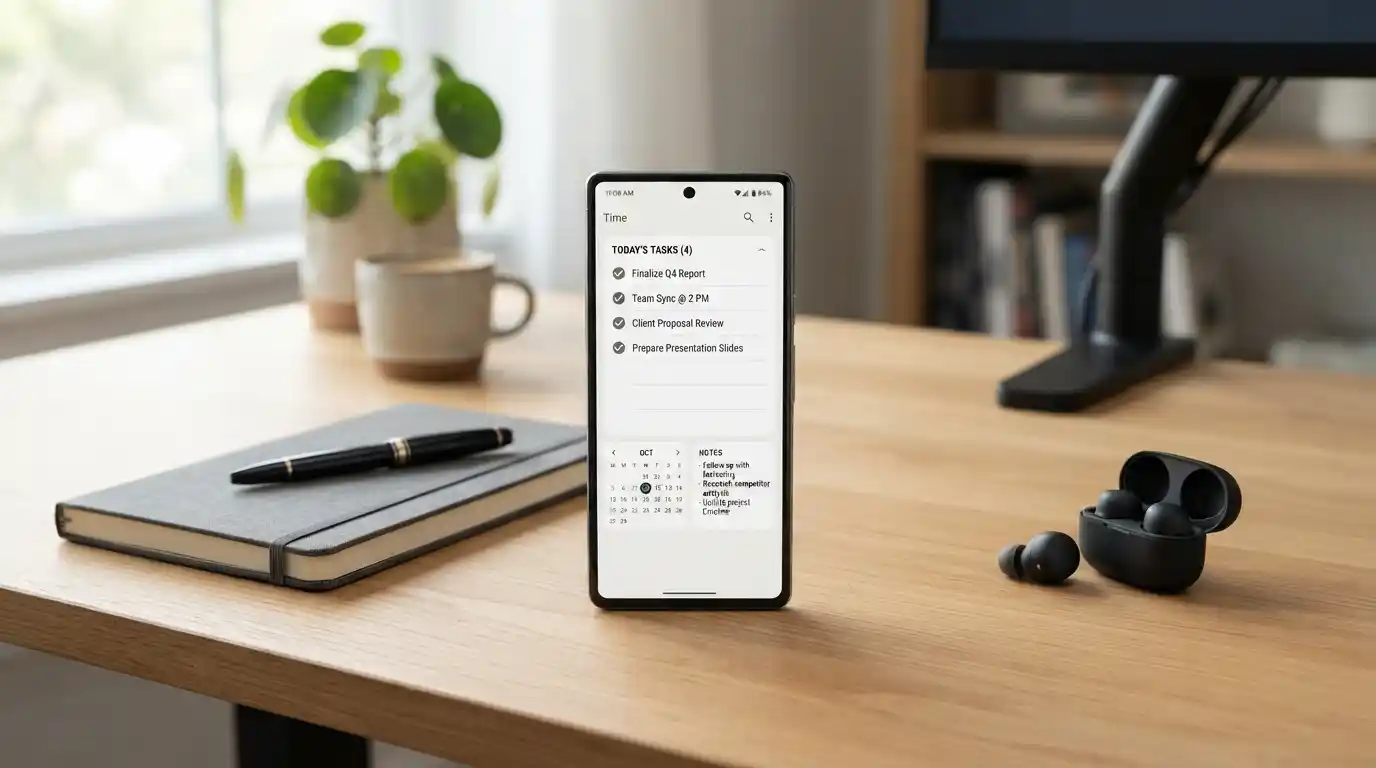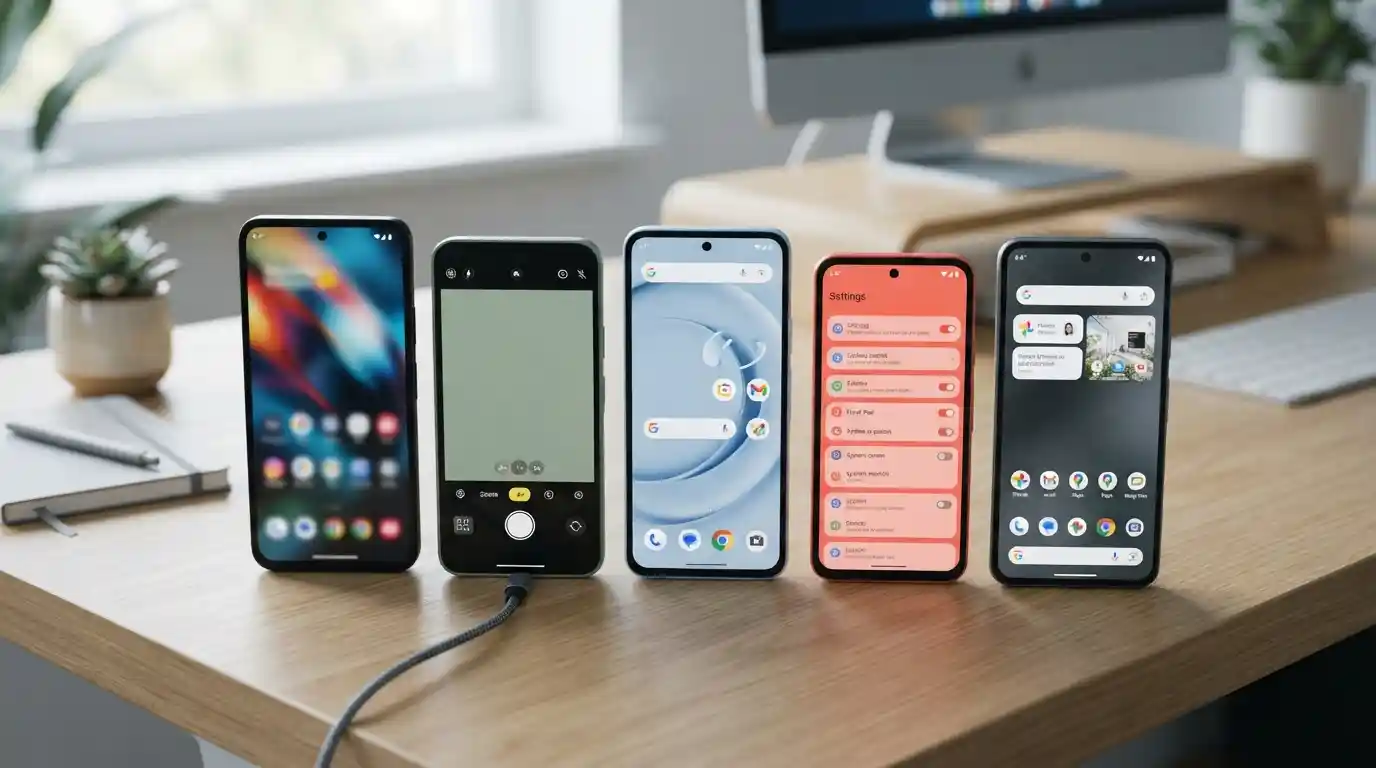
Buying a smartphone in 2025 does not necessarily mean spending $800, $1,000, or more. The budget-phone market has become much more competitive, with affordable models offering fast 5G connectivity, high-refresh-rate displays, capable cameras, large batteries, and increasingly long software-support periods.
The challenge is knowing which specifications actually matter. A phone with a high megapixel count is not automatically a better camera phone, and a large battery does not always guarantee better real-world endurance. Similarly, the cheapest phone is not necessarily the best value if its software support is short or its performance starts to feel slow after a year.
This guide looks at some of the most notable budget and lower-midrange smartphones available during 2025, with attention to price, performance, display quality, cameras, battery life, software support, storage, and everyday usability.
What Counts as a Budget Smartphone in 2025?
For this guide, budget smartphones generally fall below about $500 in the U.S. market, with particular attention to models around $200 to $400. This range includes entry-level phones designed for basic communication as well as more capable devices that can handle photography, gaming, streaming, multitasking, and productivity.
The market is broad, so the right choice depends heavily on how you use your phone. Someone who mainly browses the web and uses messaging apps may not need the same hardware as someone who plays demanding games or takes hundreds of photos every month.
If you regularly use your smartphone for productivity, you may also want to consider which mobile apps can help boost productivity. Your software needs can influence how much processing power and storage you should buy.
Best Budget Smartphones to Consider in 2025
Google Pixel 9a
The Google Pixel 9a was one of the most interesting options for shoppers looking for a phone below the $500 mark in 2025. Its appeal came from the combination of Google’s computational photography, clean Android software, capable performance, wireless charging, and a long software-support commitment.
The Pixel 9a is particularly attractive to people who care about photography without wanting to move into flagship pricing. Google’s image processing can help produce detailed photos with good dynamic range in a variety of lighting conditions.
It is also a strong option for people who intend to keep a phone for several years. Longer software support can make a moderately priced smartphone more economical over its complete ownership period rather than simply looking at the initial purchase price.
Samsung Galaxy A36 5G
The Samsung Galaxy A36 5G sits in a competitive part of Samsung’s A-series lineup. It combines a large AMOLED display, 5G connectivity, modern Android software, and a design that feels closer to Samsung’s more expensive phones than many entry-level devices.
Its high-refresh-rate display is particularly useful for scrolling through websites, social media feeds, menus, and supported games. The screen experience is one of the areas where spending a little more than the cheapest phones can make a noticeable everyday difference.
Samsung’s broader device ecosystem can also be useful for people who use Galaxy accessories or other Samsung products. If you are interested in how technology continues to evolve across connected devices, the future of wearable technology provides useful context.
Samsung Galaxy A26 5G
The Galaxy A26 5G targets buyers who want many of the fundamentals of a modern smartphone without moving into higher price brackets. It offers 5G connectivity, a high-quality display, expandable storage in supported markets, and a feature set aimed at everyday users.
It can make sense for students, families, and users who primarily need a dependable phone for messaging, streaming, social media, navigation, photography, and general web browsing.
Storage should receive particular attention when considering a phone like this. Applications, photos, videos, offline media, and system files can consume space quickly, so expandable storage can be valuable for people who do not want to pay for a larger internal-storage configuration.
Motorola Moto G Power (2025)
The Moto G Power (2025) is aimed at buyers who place a high priority on battery life and keeping the initial purchase price relatively low. Motorola’s G-series has traditionally focused on delivering practical hardware without pushing prices into premium territory.
The 2025 model offers a large display, a substantial battery, 5G connectivity, and support for expandable storage. These characteristics make it particularly appealing to users who consume a lot of video, browse frequently, or want enough battery capacity to get through a long day.
Gaming performance is more limited than on significantly more expensive phones, but casual gaming should be within its capabilities. If gaming is one of your priorities, it is useful to understand gaming accessories for immersive experiences and the wider hardware ecosystem.
CMF Phone 1
The CMF Phone 1 attracted attention because it brought features such as a 120Hz AMOLED display and the MediaTek Dimensity 7300 platform into a relatively affordable package.
Its design also separates it from many conventional budget smartphones. The phone was positioned toward users who wanted a more distinctive design and strong basic hardware without paying flagship prices.
As with any phone sold at a particularly aggressive price, buyers should check regional availability, network compatibility, NFC support, warranty arrangements, and software-support policies before purchasing.
Nothing Phone (3a)
The Nothing Phone (3a) occupies a slightly higher portion of the affordable market but can be worth considering when the budget stretches beyond basic entry-level models. Its Snapdragon platform, AMOLED display, distinctive design, and Nothing OS software experience make it an interesting alternative to the more established Samsung and Motorola options.
The key lesson with phones in this category is that a small increase in purchase price can sometimes bring meaningful improvements in processing power, display quality, camera hardware, and long-term usability.
How to Choose the Right Budget Smartphone
1. Check the Processor
The processor affects app loading, multitasking, gaming, image processing, and the overall responsiveness of a smartphone. You do not need a flagship processor for everyday tasks, but extremely weak hardware can become frustrating as applications become more demanding.
For gaming-focused buyers, GPU performance is also important. A smartphone’s graphics capabilities influence frame rates and visual quality in demanding games. The same general hardware principles apply when looking at how graphics cards impact gaming performance on PCs.
2. Look Beyond Megapixels
Camera quality depends on much more than the number printed beside a camera sensor. Image processing, sensor size, stabilization, lens quality, dynamic range, autofocus, and software all contribute to the final result.
A budget phone with a well-optimized main camera can therefore produce more consistent photos than another model advertising a larger megapixel number.
3. Prioritize Display Quality
The display is one of the components you interact with every time you use your phone. AMOLED panels generally offer strong contrast and deep blacks, while higher refresh rates make scrolling and supported animations appear smoother.
A 90Hz or 120Hz display can be a worthwhile upgrade if you spend a lot of time reading websites, using social networks, or playing compatible games.
4. Consider Battery Capacity and Charging
A 5,000mAh battery has become common among affordable Android smartphones, but capacity alone does not determine battery life. Screen brightness, processor efficiency, network conditions, application activity, and software optimization all affect endurance.
Charging speed is another factor. Faster charging can reduce the amount of time a phone needs to remain connected to a charger, which can be especially useful for people with busy schedules.
5. Check Software Support
Software support is one of the most important factors when buying a phone that you plan to keep for several years. Security updates help protect the device, while Android version upgrades can provide new features and compatibility improvements.
A cheap phone that stops receiving meaningful software support quickly may not provide the same long-term value as a slightly more expensive device with a longer update policy. Keeping software updated is also important from a security perspective, particularly because there are real risks of using outdated software.
Smartphone security is becoming increasingly important as phones are used for banking, shopping, authentication, communication, work, and personal data. The wider role of artificial intelligence in cybersecurity also demonstrates how rapidly the digital security landscape is changing.
6. Do Not Ignore Storage
128GB is a practical starting point for many users in 2025, but your needs can be very different if you record lots of high-resolution video or download games and streaming content.
MicroSD expansion can be useful where available, but it is not universal. Before purchasing a phone, check whether the specific regional model supports expandable storage.
Budget Smartphones for Gaming
Casual gaming is now possible on many affordable smartphones, but demanding games require more attention to processor and GPU performance. Phones with higher refresh-rate displays can also provide a smoother experience when games support those refresh rates.
Gamers should consider sustained performance rather than relying only on benchmark numbers. Heat management, battery drain, display response, storage speed, and software optimization can all influence longer gaming sessions.
For readers interested in the broader gaming technology landscape, the comparison between console and PC gaming provides additional context, while another related guide examines the differences between console and PC gaming.
Budget Phones for Photography
If photography is your main priority, the Google Pixel 9a deserves particular attention among the 2025 affordable options. Google’s image-processing approach has historically been a major part of the Pixel experience, helping its cameras compete effectively despite not always having the largest number of camera sensors.
Samsung’s Galaxy A-series also provides versatile camera systems at lower prices, while other manufacturers compete through larger sensors, higher-resolution main cameras, and software-based image processing.
When comparing cameras, look at daylight photos, low-light performance, portrait results, autofocus, video stabilization, and front-camera quality instead of judging the phone solely by megapixel count.
Budget Phones for Students and Everyday Users
Students often need a phone that can handle messaging, video calls, web research, document access, social media, photography, navigation, and entertainment. In this situation, balanced performance is generally more important than having the fastest processor available.
Storage, battery life, display quality, and software support can all have a greater impact on everyday satisfaction than benchmark scores.
Modern smartphones are also increasingly connected to cloud services and other digital products. Readers interested in broader technology developments can explore latest technology updates and the site’s technology archives and AI workflow content.
Why Software and Ecosystem Matter
A smartphone is no longer an isolated device. It can connect to wireless earbuds, smartwatches, laptops, televisions, vehicles, cloud-storage platforms, productivity applications, and other connected products.
This makes the broader ecosystem worth considering when choosing a budget phone. A device that works smoothly with the products and services you already use can sometimes be more convenient than a phone with slightly better specifications on paper.
Technology companies are also developing increasingly interconnected products and services. Examples across the broader technology sector include technology innovation and business solutions, data technology solutions, and emerging approaches to technology innovation and business growth.
How Much Should You Spend on a Budget Phone?
There is no single correct budget because different buyers have different priorities. Around $200 can be enough for basic communication, social media, streaming, navigation, and everyday applications. Moving toward $300 can open the door to better processors, displays, cameras, and build quality.
At around $400 to $500, the market becomes particularly interesting because buyers can find phones with much stronger processors, better displays, improved cameras, wireless charging on selected models, and longer software support.
Instead of choosing the cheapest phone available, consider the total ownership period. A phone that costs $100 more but remains useful for an additional year or two may offer better value over time.
What to Avoid When Buying a Budget Smartphone
- Buying solely because a phone has a high megapixel camera.
- Ignoring the manufacturer’s software-update policy.
- Choosing a very low-storage configuration without checking your usage habits.
- Assuming every 5G phone supports every carrier’s network in every region.
- Ignoring charging speed and battery behavior.
- Buying an older model simply because its original launch price was attractive.
- Failing to check warranty and regional availability.
- Expecting an entry-level processor to deliver flagship-level gaming performance.
Final Thoughts
The best budget smartphones available in 2025 show how much the affordable market has improved. Buyers can now find capable displays, 5G connectivity, large batteries, good cameras, and increasingly strong software-support policies without moving into flagship pricing.
The Google Pixel 9a stands out as an especially interesting option for buyers who prioritize photography, software, and long-term value. Samsung’s Galaxy A36 5G and Galaxy A26 5G offer strong all-round Android experiences, while the Motorola Moto G Power (2025) focuses on practical battery life and storage flexibility. The CMF Phone 1 and Nothing Phone (3a) provide alternatives for buyers who want distinctive design and competitive hardware.
Ultimately, the right budget smartphone depends on your priorities. Compare processor performance, display quality, camera capabilities, battery life, storage, software support, and network compatibility before making a purchase. Spending a little more in the right areas can make a much bigger difference than simply choosing the phone with the lowest price.