Why Denver Deserves a Spot on Your 2026 Itinerary
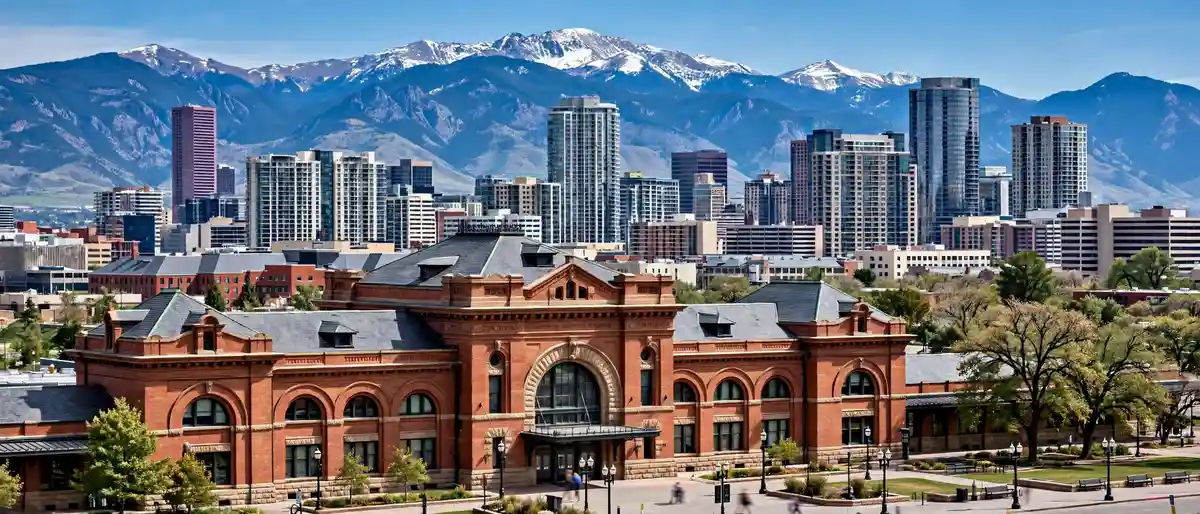
Denver has quietly become one of America’s most rewarding city breaks. The Mile High City pairs a walkable downtown with easy access to the Rockies, a booming food scene, craft breweries on nearly every block, and more than 300 days of sunshine a year.
But where you sleep shapes the whole trip. This guide to the best hotels in Denver covers the neighborhoods that matter, the standout properties worth your money, what rooms really cost in 2026, and how to book smarter — so you can check in and start having fun fast.
Where to Stay in Denver
Denver’s neighborhoods each have a distinct personality. Match your base to your travel style, and half the battle is won before you unpack.
LoDo and Union Station
Lower Downtown is the city’s beating heart: brick warehouses holding restaurants, sports bars, and the 16th Street Mall shuttle. Union Station is a destination in itself — a restored 1914 landmark with a grand hall and dining — and the best-connected point in town, with light rail, Amtrak, and the airport train meeting here. First-time visitors who want everything on foot should start here.
Central Business District
Just east of LoDo, the Central Business District holds the convention center, the performing arts complex, and much of the city’s hotel inventory. It is practical and polished, and with the CBD averaging about $218 a night, it is a useful baseline for comparing rates across the city.
RiNo Arts District
River North is Denver’s creative quarter: converted warehouses, giant street murals, galleries, and top-tier breweries. It has fewer traditional hotels and more design-forward options, which suits travelers who want character over a corporate lobby. Downtown is a quick ride away.
Cherry Creek
Cherry Creek is Denver’s polished side — upscale shopping, manicured streets, and high-end hotels. It feels more residential than downtown, with excellent dining and a quieter nightlife. A strong pick for shoppers and anyone who likes a calm base.
Capitol Hill
Capitol Hill is one of the city’s oldest residential neighborhoods, full of historic mansions and independent coffee shops. Hotels here tend to be smaller and more affordable than the downtown towers, making it attractive for longer stays and budget-conscious travelers who still want a central address.
Highland and LoHi
Across the river from downtown, Highland — LoHi to locals — mixes Victorian homes with some of the city’s trendiest restaurants and bars, plus lovely skyline views at night. Ideal for food-focused travelers and couples who want a neighborhood feel minutes from downtown.
East Colfax
East Colfax is the city’s eclectic corridor: vintage shops, dive bars, music venues, and some of Denver’s most affordable lodging. It is less polished than the neighborhoods above, but travelers who prioritize value and local flavor will find plenty to like.
Best Luxury Hotels in Denver
Denver’s top tier delivers properties that are attractions in their own right — five-star service, rooftop bars, serious restaurants — with five-star averages around $470 a night.
The Crawford Hotel
Set inside landmark Union Station, The Crawford is Denver’s most distinctive luxury stay. Rooms sit above the grand hall, and the design nods to the building’s railroad heritage. Guests step straight from their rooms into one of the city’s great public spaces. For train travelers and architecture lovers, nothing else compares. It belongs on any serious list of the luxury hotels across America.
The Oxford Hotel
The Oxford has welcomed guests since 1891, making it Denver’s oldest hotel. Art deco interiors, the old-school Cruise Room martini bar, and unhurried personal service give it a classic European feel. It sits in LoDo, steps from Union Station and Coors Field — old-world charm without sacrificing location.
Populus
Populus is Denver’s newest architectural statement: a striking aspen-tree-inspired tower near Civic Center Park. Rooms feel calm and sculptural, and the rooftop restaurant draws locals as well as guests. Museums, the capitol, and the 16th Street corridor are all within easy reach.
Hyatt Centric Downtown Denver
The Hyatt Centric brings a fresh, art-filled take on the downtown luxury hotel with a strong local identity. The rooftop pool and lounge offer one of the better skyline views in the business district — big-brand reliability with a boutique sensibility. Fans of urban luxury breaks might also compare hotels in Miami for a Midwest-meets-Mountain-West perspective.
Best Mid-Range and Boutique Stays
The sweet spot for most travelers is the mid-range tier: roughly $140 to $220 a night, with anything under $150 downtown counting as a genuine deal. These properties deliver comfortable, stylish rooms without the five-star markup.
The Slate Hotel, Tapestry by Hilton
The Slate brings boutique personality to the mid-range bracket. Housed in a converted 1960s-era building near the convention center, it pairs playful design with Hilton-system reliability, and its rates often undercut the big downtown towers.
Sonesta Denver Downtown
Sonesta’s downtown property is a dependable mid-range choice with spacious rooms and a location that works for business and leisure alike. Comfortable beds, a good breakfast, and quick access to the 16th Street Mall cover the fundamentals. Our guide to Seattle hotels follows the same value-first approach for the Pacific Northwest.
Embassy Suites Denver Downtown Convention Center
All-suite hotels earn their keep on longer trips and family travel. The two-room suites give everyone breathing room, the evening reception is a welcome perk, and the cooked-to-order breakfast saves real money over a multi-day stay. Convention attendees get the obvious benefit of being next door to the action.
Independent Boutique Picks
Denver’s boutique scene is one of its strengths. Look for design-led independents in RiNo and LoHi with local art and staff who know the neighborhood — these smaller properties often deliver the most memorable stays in the city, ranking among the most characterful boutique hotels around the country. Book them directly when you can for the best rates and perks.
Best Budget Hotels in Denver
You do not need to spend a fortune to sleep well in Denver. Three reliable plays cover the budget tier: older downtown properties, airport-area chains, and hostels.
Older downtown properties trade frills for location and can dip well under the mid-range band, especially midweek. You give up the rooftop pool but keep the walkability, which matters more than most travelers realize. Check recent reviews closely, since quality varies at this tier.
Near Denver International Airport, the big chains run efficiently and affordably, and the A Line train reaches downtown in about 37 minutes. That works well for early flights or rental-car trips. Before locking anything in, browse hotel deals across the USA for the lowest rates.
Hostels around Capitol Hill and downtown serve solo travelers with dorm beds and private rooms at the city’s lowest prices. The good ones have lively common areas that make meeting fellow travelers easy — a real plus if you are exploring with new friends.
Denver Hotel Prices and When to Visit
Denver’s hotel market runs on events. Rates follow the convention calendar and the sports schedule, so the same room can cost dramatically different amounts from one week to the next.
How to Score the Best Hotels in Denver for Less
In 2026, mid-range rooms generally run $140 to $220 a night, with under $150 downtown a deal worth grabbing. Premium properties start around $250 and climb, while five-star hotels average roughly $470. The Central Business District averages about $218 a night — a solid benchmark for comparison.
Timing matters enormously. March can be up to 55% cheaper than peak periods, making late winter one of the best value windows of the year. Summer is peak season — festivals, baseball, mountain tourism — so book early and expect the top of every range. Spring and fall offer the best balance of pleasant weather and reasonable rates.
Before booking, check the convention center calendar and the Rockies, Broncos, Nuggets, and Avalanche schedules. A big convention or home-game weekend can double rates and wipe out availability, while a quiet midweek in an off month is when deals appear. Also factor in parking: valet at downtown hotels typically runs $58 to $64 a night, which can add more than $300 to a five-night stay. Self-parking costs less, and some properties bundle parking into packages — always ask.
Booking Tips for the Best Hotels in Denver
First, respect the altitude. Denver sits at 5,280 feet, and the thinner air hits harder than most visitors expect. Drink more water than usual, go easy on alcohol the first night, and give yourself a day before any strenuous mountain excursion. A hotel with a good on-site restaurant for night one is a quiet kindness to yourself.
Second, do the parking math before you fall in love with a rate. With valet at $58 to $64 a night downtown, a “cheap” room with mandatory valet can cost more than a pricier room with free parking. If you are driving, filter for included or reasonably priced self-parking — or stay near a light rail stop and skip the car entirely.
Third, work the event calendar to your advantage. A quick check of convention and sports schedules before picking dates can save you hundreds. Shifting from a Friday arrival to a Sunday one often unlocks the best rates. And if you are extending your trip into a romantic escape, our roundup of weekend getaways for couples pairs nicely with a Denver long weekend.
FAQs About the Best Hotels in Denver
What is the best neighborhood to stay in Denver for first-time visitors?
LoDo and Union Station are the best bets for first-timers: the most walkable streets, the best transit connections, Coors Field, and the 16th Street Mall all within easy reach.
How much does a hotel in Denver cost per night?
Mid-range hotels typically cost $140 to $220 a night, with under $150 downtown counting as a good deal. Premium properties run $250 and up, and five-star hotels average around $470. The Central Business District averages about $218. Rates swing with conventions and sports events, and March can be up to 55% cheaper than peak season.
Is it better to stay downtown or near the airport in Denver?
Stay downtown if your trip is about the city — dining, shows, games, nightlife. The A Line train connects the airport to Union Station in about 37 minutes, so airport-area hotels work for early flights, but the commute adds up if you head downtown daily.
Do Denver hotels charge for parking?
Most downtown hotels do. Valet parking typically costs $58 to $64 a night, and self-parking garages run somewhat cheaper. Confirm parking costs before booking — they can add hundreds to a multi-night stay. Some properties bundle parking into packages, so it pays to ask.
What is the cheapest month to visit Denver?
March is one of the cheapest months, with rates up to 55% lower than peak periods. Late winter and the shoulder seasons generally offer the best value, while summer commands the highest prices. For more city guides in this series, see our picks for hotels in Orlando, Los Angeles hotels, hotels in Nashville, and Boston hotels.
Conclusion
Denver rewards travelers who choose their base with intention. Plant yourself in LoDo or Union Station for maximum walkability, in RiNo or LoHi for creative energy, or in Cherry Creek for polished calm. Splurge on icons like The Crawford or The Oxford when the occasion calls for it, and lean on strong mid-range picks like The Slate or Sonesta for everyday trips.
However you play it, the Mile High City delivers — mountain views, bluebird skies, and a downtown that keeps getting better. Book smart, hydrate for the altitude, and enjoy every minute.