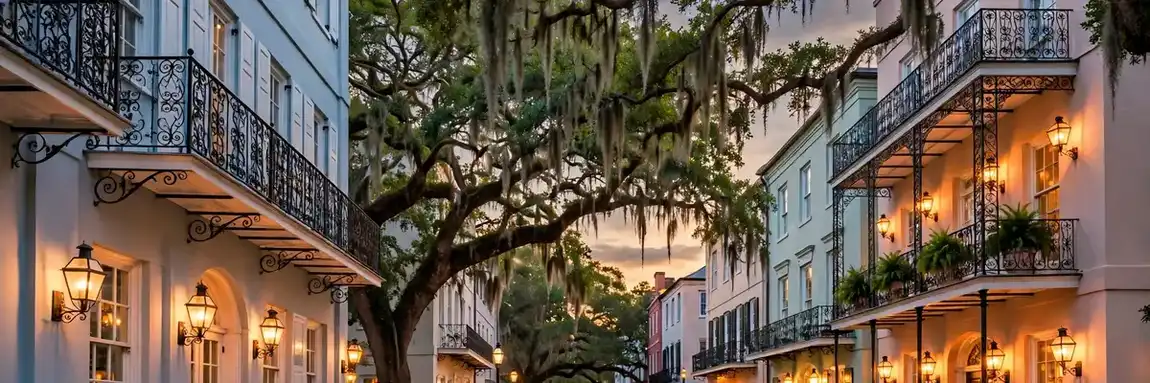
Charleston is routinely voted America’s best small city, and its hotels are a big reason why. The best hotels in Charleston hide inside 19th-century mansions, converted warehouses, and pastel row houses draped in jasmine, delivering a kind of romantic historic luxury that no new-build tower can fake. This guide to the best hotels in Charleston for 2026 tells you where to stay in the Holy City, what the real prices look like, and how to beat the crowds in a city where demand almost always outruns supply.
Charleston is not a cheap hotel town. Market data puts the average stay around $296 a night, with downtown properties averaging near $566 and one-night-trip averages near $254. Five-star rooms average about $425, four-star near $280, and three-star near $184. The peninsula’s limited inventory and enormous popularity keep rates high nearly year-round, which makes strategy matter more here than in most American cities. For the tactics that squeeze savings out of expensive markets, our hotel deals guide is essential reading before you book Charleston.
Where to Stay in Charleston: Best Neighborhoods
Charleston’s historic peninsula is small, walkable, and expensive. Everything radiates from a few key streets, and the best hotels in Charleston cluster tightly within them. Understanding the peninsula’s zones is the whole game.
The Historic District and the Battery
South of Broad Street lies the most beautiful urban neighborhood in America: Rainbow Row’s pastel facades, the Battery’s waterfront promenade, and mansions that have stood for two centuries. Hotels here are the priciest in the city and worth it for a special trip. You pay for location you can feel — stepping out of your lobby straight onto cobblestones with harbor views. For a romantic milestone trip, these properties belong in the same conversation as our best honeymoon destinations.
King Street and the Market Area
King Street is Charleston’s commercial spine, running from the high-end shops of Lower King through the restaurant rows of Upper King. The City Market area adds daytime bustle and souvenir hunting. Hotels along this corridor offer the best walk-to-everything value on the peninsula: slightly less precious than South of Broad, equally central, and surrounded by the city’s best dining. Many of the best boutique hotels in the USA have a Charleston outpost on or near King Street, and the design competition keeps standards high.
Upper Peninsula and the Neck
North of the Crosstown, the Upper Peninsula is Charleston’s creative frontier: breweries, food halls, and converted industrial buildings with a younger energy. Hotels here run noticeably cheaper than the Historic District while staying a short ride from everything. It suits travelers who want Charleston’s food and culture without paying the peninsula premium.
Mount Pleasant and West Ashley
Across the bridges, Mount Pleasant and West Ashley offer the city’s real budget relief. Chain hotels and suite properties here can run half the peninsula price, with easy drives to the beaches at Sullivan’s Island and Isle of Palms. The trade-off is the bridge commute and paid parking downtown. For beach-focused trips, these areas often beat the peninsula on pure value.
Best Hotels in Charleston by Category
Luxury Historic Hotels
The luxury tier of the best hotels in Charleston is almost entirely historic: grand 19th-century buildings with interior courtyards, rooftop bars overlooking church steeples, and service that leans into Southern formality. Five-star averages near $425, but the true flagships command far more in spring. What you buy is irreplaceable atmosphere — breakfast in a gas-lit courtyard, a room with 14-foot ceilings and original heart-pine floors. Compare the experience with national benchmarks in our best luxury hotels in the USA before you decide whether the premium is worth it for your trip.
Boutique Inns: Charleston’s Signature Stay
If there is one hotel category that defines Charleston, it is the boutique inn. Small properties in restored historic buildings, often with 30 to 80 rooms, deliver the city’s most distinctive stays: champagne at check-in, afternoon wine hours, and staff who know the restaurant scene intimately. Rates typically run $250 to $500 depending on season. Book these directly when possible — many offer rate guarantees plus perks like parking credits that third-party sites cannot match.
Mid-Range and Budget Strategy
Mid-range travelers should target the Upper Peninsula and Mount Pleasant, where four-star quality runs near the $280 average and three-star near $184. On the peninsula itself, the smaller branded properties on upper Meeting Street offer the cheapest walkable beds. True budget options mean West Ashley and North Charleston, where rates can dip under $120, but count the bridge tolls in time and the downtown parking fees before committing. Families stretching dollars should read our best family vacations guide for structuring a Charleston trip that does not break the bank.
When to Visit: Charleston Seasonal Guide
Spring is Charleston’s glory season and its priciest. March through May brings perfect weather, azaleas, and festival season, with rates at their peak — this is when the $566 downtown averages happen. Book spring three to six months out or pay dearly. Fall, from September through November, is the savvy traveler’s season: warm water, thinning crowds, and rates easing off the spring highs.
Summer is hot, humid, and relatively cheaper, with afternoon thunderstorms that clear by evening. The beaches at their best offset the mugginess for many visitors. Winter is the quietest and cheapest season — January averages can drop dramatically — and the city’s holiday decorations and mild 50-degree days make it genuinely pleasant. The trade-off is shorter days and some restaurant closures in the deep off-season.
Booking Tips for the Best Hotels in Charleston
First, book spring early or not at all. Charleston’s spring inventory sells out months ahead, and last-minute spring rates are punitive. If you must travel in April or May, consider Mount Pleasant or West Ashley as pressure valves — the savings can fund your entire dining budget.
Second, call the hotel directly. Charleston’s boutique inns compete on service, and direct bookings frequently unlock breakfast inclusions, parking discounts, or room upgrades that aggregator sites never show. A five-minute call can beat an hour of tab-comparing.
Third, solve parking before you arrive. Peninsula parking is scarce and expensive, commonly $40 to $55 a night at hotels, with limited street options. Some inns include parking in the rate — that inclusion alone can swing the value math by $50 a day. If you are driving in, filter your search by parking-included properties first.
Fourth, build the beach into the plan. Charleston’s beaches at Sullivan’s Island, Isle of Palms, and Folly Beach are 20 to 30 minutes from downtown. A split stay — three nights on the peninsula, two at the beach — often costs less than five peninsula nights and delivers two vacations in one. For couples weighing the combination, our best weekend getaways for couples compares Charleston against other romantic coastal cities.
Charleston for Special Trips
Weddings and honeymoons are Charleston’s specialty, and the city hosts an enormous share of destination celebrations. If you are attending a wedding, book the moment you get the date — wedding weekends fill entire inns. For food-focused trips, time your visit around restaurant week events or the spring food festivals, and stay on upper King Street to walk to dinner. History travelers should allow at least three full days: the peninsula’s museums, plantations, and harbor tours reward slow exploration.
How Charleston Compares to Other Historic Cities
Charleston sits at the top of America’s historic-city hotel market, and comparisons help set expectations. Against the best hotels in Nashville, Charleston trades music-row energy for Lowcountry elegance at notably higher prices — Nashville’s hotel scene is the better value, Charleston’s the more romantic. Compared with the best hotels in Atlanta just four hours west, Charleston is the splurge and Atlanta the value anchor, which is why pairing them in one trip balances the budget beautifully. Travelers weighing a Southern beach-and-city loop should also look at the best hotels in Phoenix for a desert counterpoint with opposite seasons and resort-style value, or the best hotels in Denver for a mountain-city alternative. Each of these markets rewards different travel styles, and Charleston’s particular magic is intimacy and history at a premium price.
The strategic move for budget-conscious romantics is the split itinerary. Two or three nights in Charleston’s Historic District deliver the full experience, then shift to a cheaper base — Savannah, the beaches, or even Atlanta — for the rest of the trip. You get the postcard stay without paying postcard prices for a full week. Few American destinations punish the unprepared as hard as Charleston does, and few reward the planner as richly.
FAQs About the Best Hotels in Charleston
What is the best area to stay in Charleston?
South of Broad and the lower Historic District for the ultimate experience. King Street and the Market area for walkable value. The Upper Peninsula for creative energy at lower prices. Mount Pleasant and West Ashley for budget and beach access. Each zone hosts some of the best hotels in Charleston at very different price points.
How much do the best hotels in Charleston cost in 2026?
Citywide averages run about $296 a night, with downtown near $566. One-night-trip averages sit near $254. Five-star rooms average around $425, four-star near $280, and three-star near $184. Spring is the priciest season; winter the cheapest.
Is Charleston walkable?
The peninsula is wonderfully walkable — most visitors never move their car once parked. The historic core, King Street, the Market, and the Battery all connect on foot. You will want a car or rideshare only for plantations, beaches, and the outlying districts.
How many days do you need in Charleston?
Three full days for the peninsula highlights, four to five with a beach day and a plantation visit. Many travelers pair it with Savannah, about two hours south, for a classic Lowcountry loop.
When is the cheapest time to visit Charleston?
January and February hold the lowest rates, followed by late summer. Avoid spring festival weeks and major event weekends if price matters. Fall offers the best balance of weather, crowds, and cost.
Conclusion: Booking the Best Hotels in Charleston
The best hotels in Charleston are expensive because the city is worth it — but the prepared traveler pays far less than the impulsive one. Book spring months ahead, call inns directly for perks, solve parking in advance, and consider split stays with the beach. Charleston rewards planning like few American cities do, and the payoff is a hotel stay inside living history.