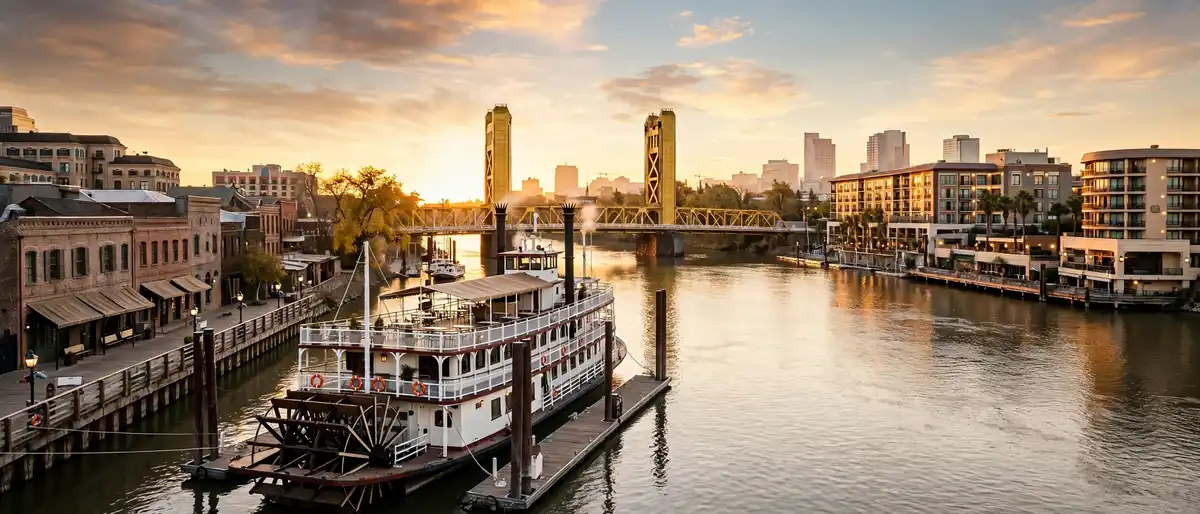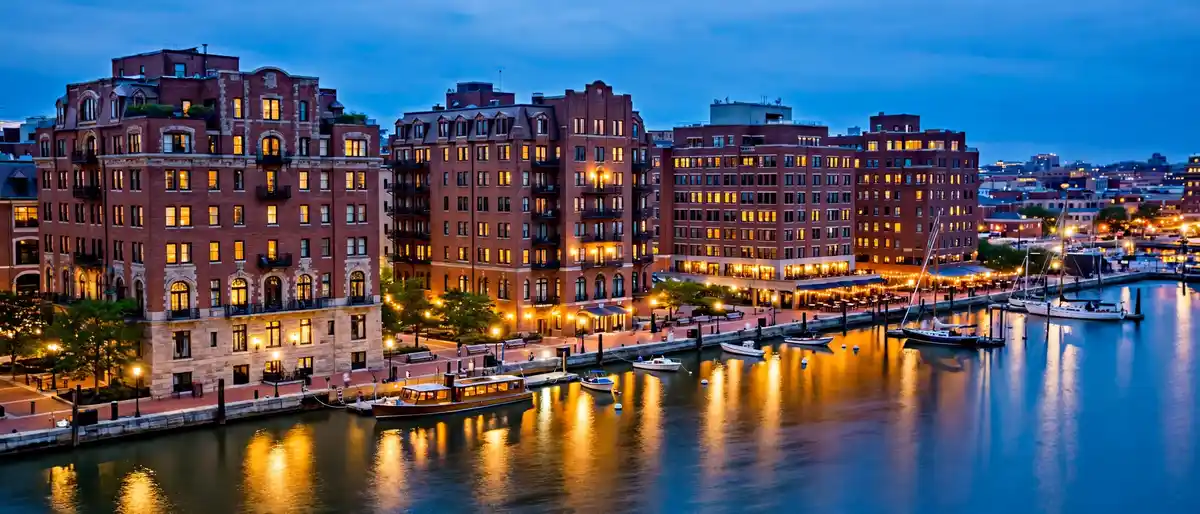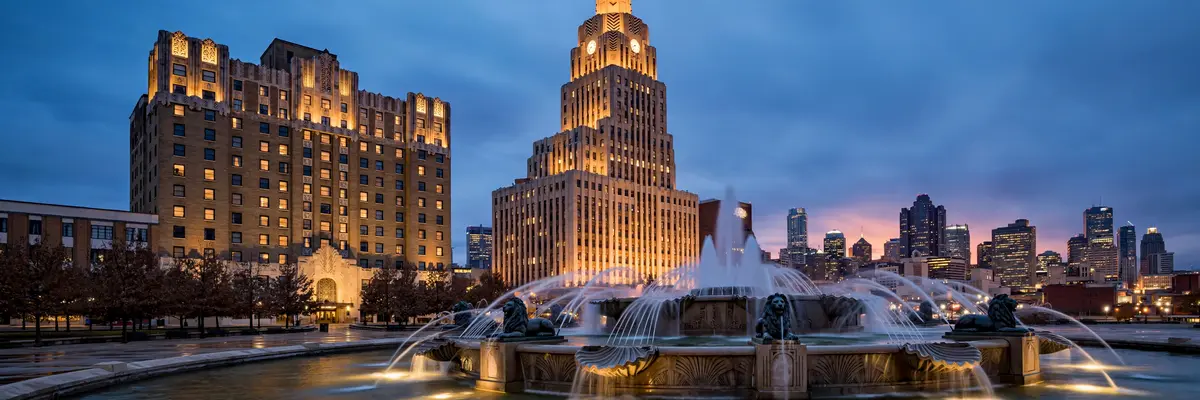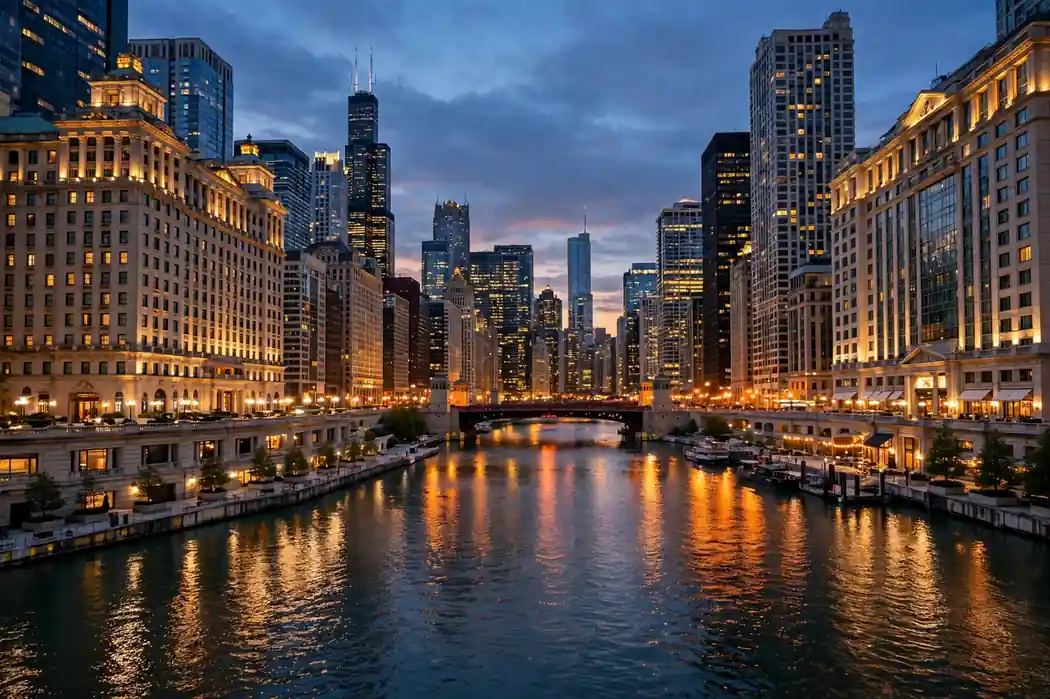
Chicago rewards travelers who choose their hotel area carefully. The city stretches along Lake Michigan, and each neighborhood offers a different version of the trip. You might want skyline views and steakhouse dinners, or you might prefer quiet tree-lined streets near the zoo. Either way, the best hotels in Chicago combine a strong location, reliable service, and fair prices for the season.
This guide breaks down where to stay, what each area feels like, and how much you should expect to pay. You will also find picks for luxury trips, family vacations, and tight budgets. By the end, you will know exactly which part of Chicago fits your plans.
Best Hotels in Chicago: Where Should You Stay?
First, picture your itinerary. Most first-time visitors spend their days around the Loop, Millennium Park, and the Magnificent Mile. Staying near those sights saves time and transit money. Meanwhile, travelers who love food and nightlife often prefer River North, the West Loop, or Logan Square.
Second, think about the season. Chicago winters are famously cold, so a hotel connected to the Pedway or close to a CTA station matters from December through March. In summer, however, a lakefront location wins. You can walk to beaches, festivals, and the Lakefront Trail within minutes.
Finally, compare the total cost, not just the nightly rate. Downtown parking often runs $50 to $75 per night, and resort-style fees are rare but not unknown. Travelers comparing prices across the country can also browse our guide to hotel deals across the USA for money-saving booking tactics that work in any city.
Best Hotels in Chicago by Neighborhood
River North and the Magnificent Mile
River North is the most popular hotel area in Chicago, and it earns that title honestly. The streets are packed with restaurants, galleries, and rooftop bars. Michigan Avenue, the famous Magnificent Mile, runs along its eastern edge with flagship stores and classic architecture.
Choose River North if you want a classic Chicago weekend. Rates usually start around $160 per night in winter and climb past $280 in summer. Splurge properties here rival the best luxury hotels in the USA, with spas, skyline-view pools, and serious concierge teams. Business travelers like the area too, because the Loop is a quick walk across the river.
The Loop and Millennium Park
The Loop is Chicago’s downtown core, ringed by the elevated trains that give it its name. Hotels here put you steps from the Art Institute of Chicago, Millennium Park, and the theater district. You can photograph the Bean at sunrise, then catch a show that evening without a single taxi.
Because the Loop serves business travelers, weekend rates often drop. Watch for Friday-to-Sunday deals starting near $130 per night. Theater fans and museum lovers get the best value here. If your trip mixes work and sightseeing, this area works beautifully, much like the downtown picks in our Denver hotels guide.
Gold Coast and Lincoln Park
Head north and the city grows calmer. The Gold Coast holds Chicago’s most elegant blocks, with historic mansions, quiet cafes, and lakefront paths. Lincoln Park adds the free Lincoln Park Zoo, the conservatory, and a relaxed, local feel.
These areas suit couples, repeat visitors, and families who want space to breathe. Expect boutique hotels and a few grand classics, generally $150 to $260 per night. You trade a short train ride for lower prices and a neighborhood atmosphere. Travelers who enjoy residential areas also tend to like the stays in our Washington DC hotels guide.
Wicker Park and Logan Square
Want the local Chicago? Book in Wicker Park or Logan Square. These northwest neighborhoods deliver indie shops, record stores, craft cocktail bars, and some of the city’s most exciting restaurants. The Blue Line connects both areas to downtown and O’Hare Airport.
Hotels here are smaller and more affordable, often $110 to $190 per night. You will find boutique inns and converted historic buildings instead of giant towers. Food lovers, younger travelers, and remote workers fit right in. The vibe is creative and casual, similar to the arts districts highlighted in our Austin hotels guide.
Hyde Park and the South Side
Hyde Park, home to the University of Chicago and the Griffin Museum of Science and Industry, offers the city’s best value. Rooms frequently run $100 to $160 per night, and the area feels leafy and academic. The Metra Electric line reaches the Loop in about 20 minutes.
This area suits budget travelers, visiting parents, and anyone attending events on the South Side. You give up some nightlife, but you gain quiet streets and real savings. For more warm-weather savings ideas, compare it with our Phoenix hotels guide, where off-season rates also drop sharply.
Best Luxury Hotels in Chicago
Luxury in Chicago means lake views, deep soaking tubs, and staff who remember your name. The top properties cluster in River North, the Gold Coast, and the Loop. Most offer full spas, destination restaurants, and rooms starting around $350 per night, rising above $600 during peak weeks and major conventions.
Book a high floor facing east for sunrise over Lake Michigan. Also, ask about club-level floors, which bundle breakfast, lounge access, and evening drinks into the rate. Honeymooners get especially good value from these packages. If you are planning a celebratory trip, our Las Vegas hotels guide shows how Chicago’s upscale scene compares with the Strip’s famous resorts.
Best Budget Hotels in Chicago
Budget does not have to mean boring. Reliable chain hotels near Midway Airport and in the Clybourn corridor regularly price rooms between $85 and $130. Downtown, a few well-kept hostels and micro-hotels offer private rooms under $110 if you book early.
To save more, travel in January or February, when rates bottom out. Yes, it is cold, but museums are quiet and restaurants run specials. Alternatively, visit in early December for holiday lights without peak prices. Sun-seekers on a budget often pair a Chicago trip with the affordable beach stays in our Miami hotels guide.
Best Hotels in Chicago for Families
Families should look at River North and the Loop first. Both areas sit near the CTA lines, the riverwalk, and family favorites like Maggie Daley Park. Choose a hotel with a pool, because kids need a backup plan on rainy or snowy days. Suites with a separate living area usually cost only slightly more than standard rooms here.
Also check the details that matter with children. Free breakfast saves $15 to $25 per person daily. Early check-in helps after long travel days. Many Chicago hotels lend board games, and some offer kids-stay-free policies. For more planning help, our roundup of the best family vacations in the USA pairs well with this guide.
How Much Do the Best Hotels in Chicago Cost?
On average, expect these nightly ranges before taxes:
- Budget: $85 to $140, mostly near airports, Hyde Park, and outer neighborhoods
- Mid-range: $150 to $280, covering most River North and Loop hotels
- Luxury: $350 to $700+, for lake-view rooms in flagship properties
Taxes add roughly 17 percent in Chicago, so budget for them. Convention weeks at McCormick Place and summer festival weekends like Lollapalooza push every category higher. Booking three to six weeks ahead usually lands the fairest price. Travelers heading west afterward can stretch the same budget further with our Los Angeles hotels guide.
Tips for Booking Hotels in Chicago
First, match your airport to your hotel. O’Hare connects to the Blue Line, while Midway uses the Orange Line, and both rides beat traffic. Second, check the event calendar before you book, because marathons and trade shows sell out entire districts. Third, join the hotel’s free loyalty program, since member rates often beat third-party prices.
Finally, read recent reviews with the season in mind. A hotel praised in July may feel drafty in January. Chicago’s best hotels maintain their buildings well, but an honest recent review tells you the real story.
Conclusion
The best hotels in Chicago are not all in one place, and that is the city’s strength. Pick River North for a classic first trip, the Loop for theaters and museums, the Gold Coast for elegance, or Logan Square for local flavor. Set a realistic budget, book a few weeks early, and choose the neighborhood that matches your plans. Do that, and Chicago will take care of the rest.
Frequently Asked Questions About Chicago Hotels
What is the best area to stay in Chicago for first-time visitors?
River North is the safest answer. It places you near the Magnificent Mile, the riverwalk, and dozens of restaurants, with the Loop a short walk away. The Loop itself works just as well if your trip centers on museums and theater. Both areas have excellent CTA connections, so you can reach any other neighborhood quickly and cheaply.
How many nights do you need in Chicago?
Plan three nights at a minimum. That gives you one day for the Loop and Millennium Park, one day for a neighborhood like Logan Square or Pilsen, and one flexible day for a museum, a ballgame, or an architecture boat tour. With four or five nights, add a day trip or a second deep-dive neighborhood. Chicago is bigger than most visitors expect, so extra time always pays off.
Is it better to stay near O’Hare or downtown?
Stay downtown unless you have a very early flight or a one-night layover. Airport hotels are cheaper and quieter, but the 45-minute train ride each way eats into your sightseeing time. Downtown hotels cost more, yet they turn your evenings into part of the trip, with restaurants, riverwalk strolls, and skyline views right outside the door.
Do Chicago hotels charge for parking?
Most downtown hotels do, and the fee is steep, typically $50 to $75 per night. If you drive in, consider parking at a CTA Park & Ride lot near the edge of the city and taking the train in. Alternatively, choose a hotel in an outer neighborhood where parking is free or much cheaper, and ride the train downtown each day.