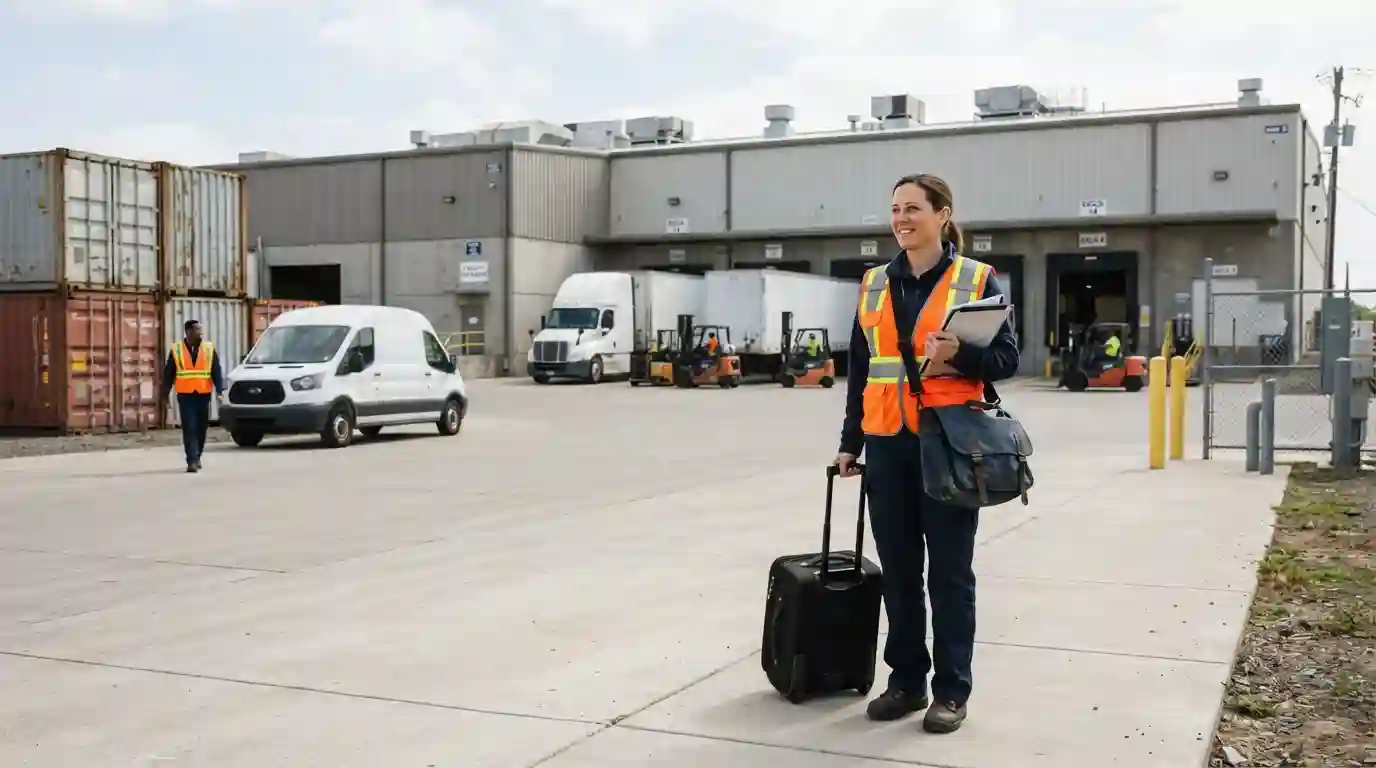
Workforce mobility is no longer simply about sending employees from one location to another. It involves coordinating transportation, temporary assignments, scheduling, accommodation, communication, safety, and productivity. For logistics organizations, these factors can directly influence how efficiently teams respond to seasonal demand, new contracts, facility launches, staffing shortages, and unexpected operational requirements.
Capstone Logistics is part of a broader logistics environment where operational flexibility is essential. A dedicated travel team can support that flexibility by helping employees reach the locations where their skills are most needed. This article explores how a logistics travel team works, why workforce mobility matters, what challenges traveling employees may face, and how companies can build a more efficient mobility strategy.
What Is a Logistics Travel Team?
A logistics travel team is a group of employees who are prepared to work across multiple locations rather than being permanently assigned to a single facility. Depending on the organization’s operational model, these employees may support warehouses, distribution centers, transportation operations, fulfillment facilities, inventory projects, or temporary staffing requirements.
The concept is particularly useful when a company experiences uneven demand across locations. One facility may require additional workers because of seasonal volume, while another may have a temporary staffing surplus. A mobile workforce can help bridge that gap.
Instead of treating each facility as an isolated operation, workforce mobility creates a more connected staffing model. Employees can move where their experience and capabilities can produce the greatest operational value.
Why Workforce Mobility Matters in Logistics
The logistics industry operates under constant time pressure. Customer expectations, inventory requirements, transportation schedules, and warehouse capacity can change quickly. A staffing strategy that works during a normal operating period may become insufficient during peak demand.
Workforce mobility provides an additional layer of flexibility. When properly managed, mobile teams can help companies respond to temporary operational requirements without relying entirely on permanent hiring at every location.
This approach can be especially valuable during:
- Seasonal increases in warehouse activity
- New facility openings
- Large customer onboarding projects
- Temporary labor shortages
- Inventory and fulfillment projects
- Operational transitions
- Unexpected increases in shipment volume
- Short-term workforce replacement needs
How a Capstone Logistics Travel Team Can Support Operations
A mobile logistics team can serve as an operational resource that moves according to business requirements. Rather than waiting for every location to independently recruit and train workers, an established travel workforce can provide experienced personnel when and where they are needed.
The effectiveness of such a team depends heavily on coordination. Employees need clear information about their assignment, reporting location, schedule, accommodation arrangements, transportation, responsibilities, and expected duration of the assignment.
When these elements are organized properly, workforce mobility can reduce the friction associated with temporary operational changes.
Rapid Staffing Support
One of the most important advantages of a mobile workforce is speed. Logistics facilities sometimes need additional personnel faster than a traditional hiring process can provide.
A trained travel team can help address temporary staffing gaps by bringing employees who already understand operational procedures, workplace expectations, and logistics workflows.
Support for New Facilities
Launching a new distribution or fulfillment facility can require a significant amount of operational support. Experienced employees may be needed to help establish processes, train new workers, and stabilize daily operations.
A traveling team can provide experienced personnel during this transition period before the permanent workforce becomes fully established.
Seasonal Workforce Flexibility
Many logistics operations experience significant changes in volume during certain periods of the year. A flexible workforce allows companies to respond to these changes without permanently increasing staffing levels at every location.
The Role of Travel Coordination
Workforce mobility is more complicated than simply assigning an employee to another city. Travel coordination can involve transportation, lodging, schedules, expenses, communication, and local operational requirements.
A well-organized travel program should provide employees with clear instructions before they leave their home location. This may include the facility address, reporting time, contact information, accommodation details, transportation arrangements, and assignment expectations.
Clear communication reduces uncertainty and allows employees to focus on their operational responsibilities rather than administrative questions.
Technology and Modern Workforce Mobility
Technology can make a significant difference in managing a distributed workforce. Digital scheduling systems, communication platforms, workforce-management software, expense systems, and centralized reporting can make it easier to coordinate employees across multiple locations.
For logistics organizations, technology can also improve visibility. Managers can better understand where employees are assigned, when teams are arriving, which locations require additional support, and how staffing levels are changing over time.
Data-driven workforce planning can turn mobility from a reactive solution into a strategic capability.
Benefits of a Mobile Logistics Workforce
A well-managed travel team can provide several potential benefits to a logistics organization.
Operational Flexibility
Mobile workers allow companies to respond to temporary changes in demand without treating every staffing challenge as a permanent problem.
Faster Response to Demand
When experienced employees are already available for travel assignments, organizations may be able to respond more quickly to changing operational requirements.
Knowledge Transfer
Experienced traveling employees can bring knowledge from one facility to another. This can help spread effective processes and operational practices across a wider organization.
Support During Transitions
Temporary assignments can be particularly useful during facility openings, process changes, major inventory projects, and operational restructuring.
Greater Workforce Resilience
A flexible staffing model can provide additional resilience when individual facilities encounter unexpected workforce challenges.
Challenges of Managing Traveling Logistics Employees
Workforce mobility also creates challenges that companies must manage carefully. Travel can affect employee satisfaction, scheduling, costs, communication, and personal routines.
Travel Fatigue
Frequent travel can become physically and mentally demanding. Organizations should consider reasonable scheduling practices and adequate recovery time when designing travel assignments.
Accommodation and Transportation
Employees need reliable accommodation and transportation arrangements. Poor planning can create unnecessary stress and may negatively affect attendance and productivity.
Communication Gaps
Traveling employees may work in unfamiliar environments. Clear communication before and during assignments is therefore essential.
Cost Management
Travel expenses can increase quickly when employees are regularly moved between locations. Companies need appropriate policies for transportation, lodging, meals, and other approved expenses.
Employee Retention
Not every employee wants a highly mobile role. Companies should clearly communicate travel expectations and understand employee preferences when building a sustainable travel workforce.
How to Improve Workforce Mobility in Logistics
Organizations looking to strengthen workforce mobility should treat travel as part of their broader workforce strategy rather than as an emergency response mechanism.
- Create clear travel policies: Employees should understand eligibility, expenses, schedules, accommodation, transportation, and assignment expectations.
- Use centralized scheduling: A single workforce-management process can improve visibility across facilities.
- Maintain employee skill profiles: Managers should know which employees have the experience required for different operational assignments.
- Improve communication: Employees should receive assignment details well before traveling.
- Measure travel performance: Companies can monitor staffing response time, productivity, travel costs, attendance, and employee feedback.
- Prioritize employee experience: A mobile workforce is more sustainable when employees feel supported during assignments.
Workforce Mobility and the Future of Logistics
The logistics industry continues to become more interconnected. Warehousing, fulfillment, transportation, inventory management, and technology increasingly operate as parts of a larger network.
This environment creates greater demand for workforce flexibility. Companies that can move knowledge, skills, and experienced personnel between locations may be better positioned to respond to operational changes.
The future of logistics workforce mobility will likely involve a combination of human expertise and technology. Digital scheduling, workforce analytics, mobile communication, automated reporting, and centralized workforce planning can make traveling teams easier to coordinate.
Why Employee Experience Should Remain a Priority
Operational efficiency should not come at the expense of the employees responsible for delivering it. Traveling workers need practical support, clear expectations, reasonable schedules, and reliable communication.
A company that invests in employee experience can potentially create a more sustainable mobile workforce. Employees who understand their assignments and feel supported are more likely to adapt successfully to unfamiliar facilities and temporary working environments.
Measuring the Success of a Travel Team
Organizations should evaluate workforce mobility using measurable operational and employee-focused indicators.
Useful measurements can include:
- Time required to fill temporary staffing needs
- Employee productivity during assignments
- Travel and accommodation costs
- Attendance and assignment completion rates
- Employee satisfaction
- Training and onboarding time
- Facility performance during temporary assignments
These measurements can help managers identify whether the travel workforce is generating meaningful operational value and where the program needs improvement.
Capstone Logistics Travel Team: A Model for Flexible Workforce Strategy
The idea behind a Capstone Logistics travel team reflects a larger transformation taking place across the logistics sector. Companies increasingly need workforce models that can adapt to changing volumes, geographic requirements, facility launches, and operational priorities.
A traveling workforce can provide that flexibility when supported by strong planning, technology, communication, and employee-focused policies. Its value is not simply in moving people between locations. The larger opportunity is to move skills and operational experience to the places where they can have the greatest impact.
Conclusion
The modern logistics industry requires more than warehouses, transportation networks, and technology. It also requires a workforce capable of adapting to changing operational conditions.
A well-managed Capstone Logistics travel team can be viewed as part of that broader workforce mobility strategy. By connecting experienced employees with locations that need additional support, a travel workforce can contribute to operational flexibility, faster staffing responses, knowledge transfer, and business continuity.
The long-term success of workforce mobility depends on balancing operational requirements with employee experience. Companies that combine effective planning, digital coordination, transparent policies, and strong workforce support can build mobility programs that are both flexible and sustainable.