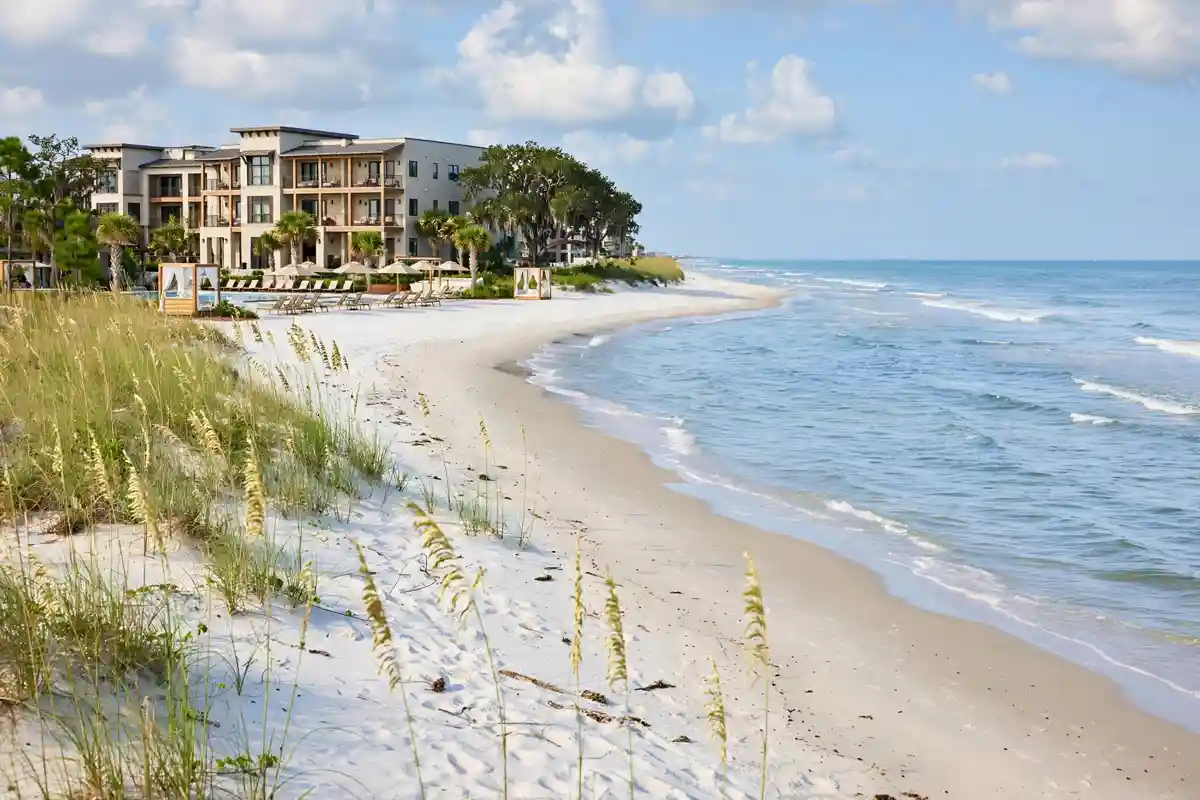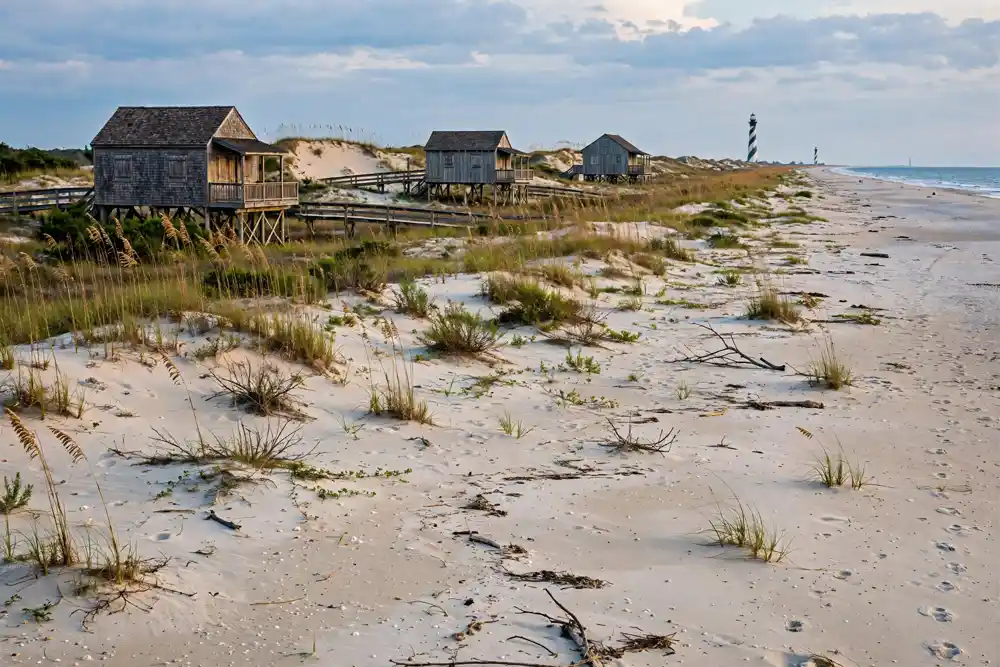
Planning a trip around Outer Banks stays is one of the simplest ways to enjoy coastal North Carolina at its best. The coastline here rewards slow mornings, long walks on the sand, and evenings spent watching the light change over the water. Whether you are traveling as a couple, with kids, or with friends, the right stay shapes the whole trip, because it decides how close you are to the beach, how easy your days feel, and how much time you spend in the car. This guide walks through what to look for, where to base yourself, and how to choose a stay that fits your budget and your travel style, so you can book with confidence and spend less time worrying about the details.
Outer Banks stays appeal to travelers for a simple reason: they put the best part of the trip right outside your door. You wake up to sea air, you walk to breakfast without packing a bag for the day, and you can return to the beach whenever you want. In the Outer Banks, that convenience matters even more, because days here tend to mix beach time with local exploring. You might spend one morning on the sand at Nags Head, then an afternoon wandering through Duck, and the next day discovering Kitty Hawk. A well-chosen stay keeps all of that easy, and it gives you a comfortable place to rest between adventures.
Why choose Outer Banks stays
Travelers choose Outer Banks stays because the experience feels complete. The beach is the main draw, of course, but the towns around it add character, good food, and things to do when you want a break from the sun. In the Outer Banks, the vibe is quiet and natural, which suits visitors who want a trip that feels relaxing rather than rushed. You can plan a packed itinerary full of wild horse tours and lighthouse visits, or you can do almost nothing at all and still feel like the trip was worth it. That flexibility is what makes coastal stays so popular with American travelers, year after year.
Another advantage is choice. Coastal areas usually offer everything from small inns and family-run motels to large resorts with pools, restaurants, and activities on site. That range means you do not have to pay for extras you will never use, and you can pick a place that matches how you actually travel. Some visitors want a quiet room and a good beach. Others want a resort where the kids are busy all day. Knowing which type of traveler you are before you book is the fastest way to avoid disappointment, and it helps you compare stays fairly instead of just comparing prices.
Where to stay in the Outer Banks
The most popular bases in the Outer Banks are Duck and Kill Devil Hills, and each one has a different feel. Duck tends to suit visitors who want walkable streets, restaurants, and easy beach access, while Kill Devil Hills often feels a little quieter and more local. If you are visiting for the first time, staying near a well-known beach such as Nags Head is a safe choice, because you will have plenty of places to eat, shop, and find activities nearby. If you have been before, a quieter base near Kitty Hawk can give you a fresh view of the same coastline.
Location also affects price. Beachfront rooms usually cost more, and the premium is often worth it if you plan to spend most of your time on the sand, because you save on parking, driving, and hauling gear. A short walk inland, however, can cut the nightly rate noticeably while keeping the beach within easy reach. When you compare options, check the walking time to the beach, not just the distance on a map, and look at what is nearby after dark. A place that feels lively in the daytime can feel very different at night, so reading recent guest comments about noise and safety is always worthwhile.
Best areas for first-time visitors
First-time visitors to the Outer Banks usually do best near Nags Head or Duck, where the main sights, restaurants, and beach access are close together. These areas make it easy to settle in quickly, find a good meal without a long drive, and get your bearings before you explore further. Families often prefer these central spots too, because kids can walk to the beach and parents can find groceries, pharmacies, and casual restaurants nearby. If you want a calmer trip, you can still use a central base for your first night or two, then move to a quieter spot once you know the area.
Quieter spots worth considering
If you prefer a slower pace, look toward Kitty Hawk and the smaller neighborhoods around Kill Devil Hills. These places often have wider stretches of sand, fewer crowds, and a stronger sense of local life. The trade-off is that restaurants and shops may be spread out, so a car becomes more useful. That can be a good deal for couples and returning visitors, who already know what they want from the trip and do not need everything on their doorstep. A quieter base also makes early-morning beach walks and sunset evenings feel more private, which many travelers remember most.
Types of stays to compare
When you search for Outer Banks stays, you will see several kinds of stays, and each one suits a different trip. Full-service resorts work well when you want pools, on-site dining, and activities without leaving the property. Boutique hotels suit travelers who care about design, character, and a more personal welcome. Vacation rentals give families and groups kitchens, laundry, and extra space, which can save money on longer trips. Smaller inns and motels, meanwhile, often offer the best value and a friendly, local feel that larger properties cannot match.
Before you book, compare what is actually included. A lower nightly rate can hide parking fees, resort fees, and charges for beach chairs or breakfast, while a slightly higher rate may include all of them. Check the cancellation policy too, especially for coastal trips, where weather can change plans. Flexible cancellation is worth paying a little more for if your dates are uncertain. Finally, look at the room itself: a balcony with a sea view, a quiet floor, and a comfortable bed matter more to most travelers than a long list of amenities they never use.
While the Outer Banks offer a delightful blend of sun-soaked beaches and charming coastal towns, the allure of the American coastline extends far beyond North Carolina. For those seeking a different yet equally captivating experience, the rugged beauty and serene atmosphere of the Oregon coast provide an enticing alternative. From its dramatic cliffs and lush forests to quaint, picturesque towns, the Oregon coastline invites exploration and connection with nature. Travelers can find unique accommodations that cater to diverse tastes and budgets, ensuring that every visitor can enjoy the tranquility and stunning vistas the region has to offer. For insights into the best options available, consider exploring Oregon coast stays that promise unforgettable memories along this magnificent stretch of shore.
Things to do around the Outer Banks
Beyond the beach, the Outer Banks offers plenty to fill your days. Wild horse tours and lighthouse visits is a favorite for many visitors, and it is easy to arrange through local operators or your hotel. You can also explore the towns on foot, visit local markets, and try the food that makes this coastline distinctive, including fresh-caught seafood. Many travelers find that one or two planned activities per day is plenty, leaving the rest of the time free for the beach, a long lunch, or simply resting. That balance keeps the trip feeling like a holiday rather than a checklist.
If you are traveling with kids, look for beaches with gentle water, lifeguards, and nearby shade and restrooms, and plan beach time for the morning when energy is high. Couples often enjoy sunset walks, waterfront dinners, and a quieter beach in the late afternoon. Solo travelers, meanwhile, can enjoy the freedom of a coastal town, where walking, reading on the sand, and trying new restaurants all feel natural. Whatever your group, building in one unscheduled day is a good idea, because the best coastal memories often come from unplanned discoveries.
When to visit and what it costs
The best time for Outer Banks stays is usually late spring through early fall, when the weather is pleasant and the crowds are manageable. Summer brings the warmest water and the busiest beaches, along with the highest prices, so booking early matters if you travel then. Spring and fall often offer a sweet spot: comfortable days, lower rates, and easier parking. Winter can also work well in warmer coastal areas, though water temperatures and daylight hours vary, so it pays to check seasonal conditions before you book a beach-focused trip.
Budgeting for a coastal trip is easier when you separate the big costs. Accommodation is usually the largest expense, followed by food, transport, and activities. Booking a stay with a kitchen, choosing lunch as your main restaurant meal, and picking free activities such as beach walks and town exploring can keep costs down without making the trip feel limited. On the other hand, one special dinner or a guided outing can be worth the splurge, because those are the moments travelers tend to remember. Setting a daily budget before you travel helps you enjoy those treats without worry.
Practical tips for a smooth trip
- Book beachfront stays early for late spring through early fall, when demand is highest.
- Pack reef-safe sunscreen, a reusable water bottle, and a light layer for breezy evenings near Nags Head.
- Check beach conditions, parking rules, and lifeguard hours before your first beach day.
- Keep one day flexible for weather changes, so a cloudy morning does not spoil the trip.
- Ask your hotel about beach gear, bikes, and local tours, since many stays lend or arrange them for free.
A few small habits make coastal trips easier. Arrive at the beach early for the best parking and the calmest water, and bring shade if you plan to stay past midday. Keep valuables simple, since a phone, a book, and a towel are usually all you need. If you drive, note where you parked and check whether beach parking has a time limit. These details sound minor, but they remove the small frustrations that can interrupt an otherwise relaxing day, and they leave you free to enjoy the coastline itself.
Frequently asked questions
What is the best area to stay in the Outer Banks? For most first-time visitors, Duck or the area around Nags Head is the easiest choice, because beaches, restaurants, and shops are close together. Returning visitors who want quieter days often prefer Kill Devil Hills or Kitty Hawk.
When is the best time to visit? Late spring through early fall usually offers the best balance of pleasant weather, manageable crowds, and fair prices, though summer remains the most popular season for families.
Are Outer Banks stays good for families? Yes, especially when you choose a stay near a calm beach with lifeguards, shade, and family-friendly dining nearby. A kitchen and laundry also make longer family trips much easier.
How far ahead should I book? For peak season, book several weeks or months ahead, particularly for beachfront rooms. For quieter seasons, you will often find good choices with shorter notice, but early booking still gives you the best selection.
More stays and trip ideas
As you plan, it helps to compare your options with other popular stays. You might enjoy reading about best boutique hotels across the USA, luxury hotels across the USA, family vacations across the USA, honeymoon destinations for Americans, weekend getaways for couples, cabin getaways across the USA, hotel deals across the USA, modern luxury hospitality, hotels in Virginia Beach, hotels in Charleston, hotels in Charlotte, hotels in Raleigh, and each of those guides can help you judge location, value, and style before you commit. Coastal trips often pair well with a city stay too, so thinking about the whole journey, not just the beach, usually leads to a better trip. Once you have a shortlist, compare the total cost, the walk to the beach, and the cancellation terms, and then book the place that feels right for how you actually want to spend your days.