Boutique hotels have a particular appeal for couples. They are smaller than chain hotels, full of character, and often run by people who care deeply about design, food and the local area. Staying in one can feel less like checking into a hotel and more like being welcomed into a beautiful, well-run house.
Romantic boutique hotels stand out because they pay attention to the details couples notice: a quiet courtyard, a good breakfast, a room with interesting light and art, and staff who remember your name. This guide explains what makes a boutique stay romantic, how to choose one, and where in the USA to look.
You will also find advice on budgets, room types and the questions worth asking before you book, so your boutique stay feels special rather than simply small.
Romantic boutique hotels: What Makes a Hotel Boutique, and Why Couples Love It
A boutique hotel is usually small, often with fewer than a hundred rooms, and designed with a distinct personality rather than a corporate template. Each property tends to reflect its building, its neighborhood or its owner’s taste, which means no two boutique stays feel quite the same.
Couples love this individuality because it makes the hotel part of the trip’s story. A converted warehouse, a historic townhouse or a modern design hotel each creates a different mood, and choosing between them becomes part of planning the trip together. Boutique hotels also tend to have communal spaces, such as lounges, bars and courtyards, that invite couples to linger.
Our boutique hotels guide rounds up standout properties across the country, while our luxury hotels guide helps you compare boutique stays with larger luxury hotels. The right choice depends on whether you value character and intimacy or extensive facilities and services.
City Boutique Hotels for Couples
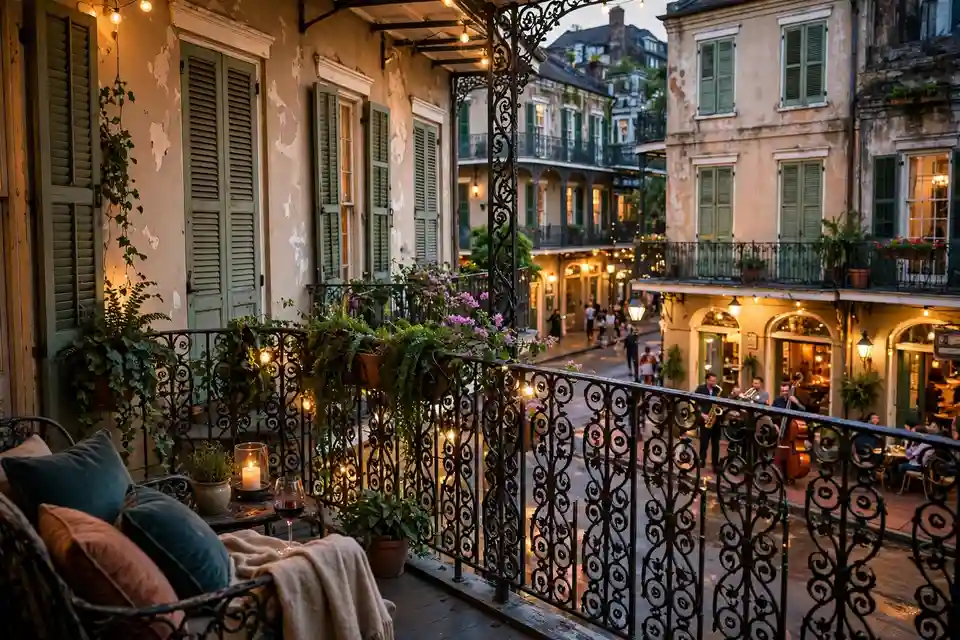
In cities, boutique hotels often sit in interesting neighborhoods, close to restaurants, galleries and nightlife but away from the busiest tourist streets. New York, Boston, Chicago and San Francisco all have strong boutique scenes, and a small hotel in a walkable district can make a city break feel more local and relaxed.
Look for city boutique hotels with soundproofing and blackout curtains, since central locations can be lively at night. A good bar or restaurant on site is a bonus, giving you an easy first-night dinner or a nightcap without leaving the building. Our guides to New York hotels, Boston hotels and San Francisco hotels can help you compare neighborhoods before you book.
City boutique stays suit couples who enjoy design, food and culture, and who prefer a hotel with personality over a large, predictable property. They work particularly well for anniversaries and short weekend breaks, where the hotel itself becomes part of the celebration.
When choosing a city boutique hotel, pay attention to the neighborhood as much as the property itself, since the streets around the hotel will shape your evenings. A hotel near good restaurants, safe evening walks and interesting shops gives you more to enjoy without taxis or long journeys, while a hotel in a purely commercial district can feel empty after dark. Look at maps, read recent guest comments about the area, and choose a location where you will enjoy simply stepping outside together, morning and night.
Countryside, Coastal and Small-Town Boutique Stays
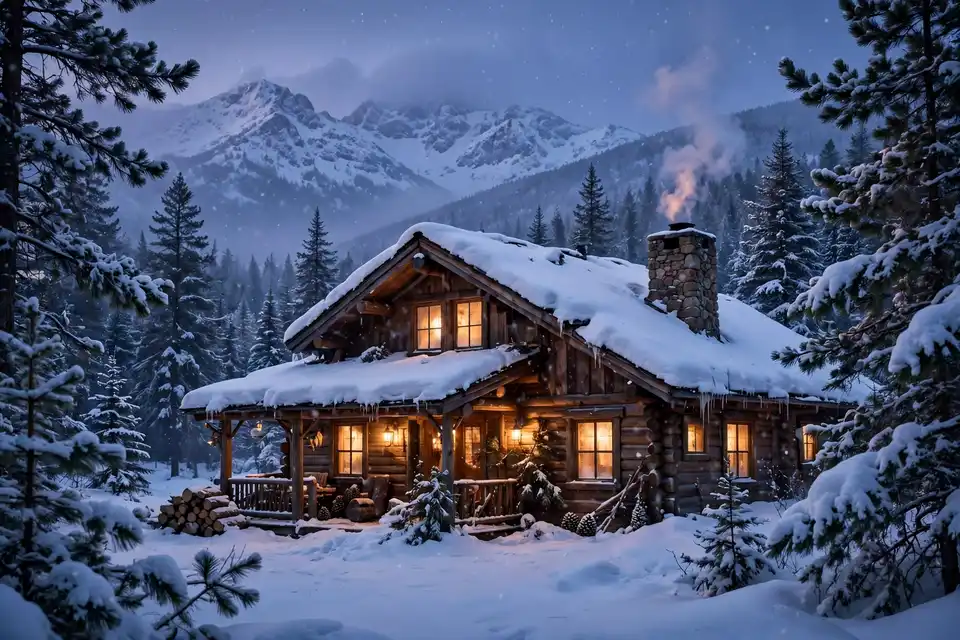
Outside cities, boutique hotels take many forms: vineyard inns, coastal guesthouses, desert retreats and converted historic buildings in small towns. These properties often have gardens, terraces and views that larger hotels cannot match, and they give couples a peaceful base for exploring the surrounding area.
Coastal boutique hotels in places like Charleston, Savannah and Miami Beach combine beach access with personal service, while countryside inns near wine regions and mountains offer quiet and scenery. Our Charleston hotels and Miami hotels guides include boutique-style options alongside larger hotels.
Small-town boutique stays suit couples who want to slow down, enjoy local food and explore on foot or by car. They are often run by owners who know the area intimately and can recommend hidden restaurants, walks and viewpoints that guidebooks miss.
What to Look for in a Romantic Boutique Room
Room design matters more in a boutique hotel, because rooms vary widely even within the same property. Look at photos carefully, read recent reviews, and note the room size, since some boutique rooms, especially in historic buildings, can be compact. A smaller room is fine if it is well designed and quiet, but it should match your expectations.
Features that add romance include a bathtub, a fireplace, a balcony or terrace, and a comfortable sitting area. Natural light, good bedding and a quiet location within the building matter more than trendy decor alone. If a view or a particular room type matters to you, request it when you book and confirm it before arrival.
Breakfast is another boutique highlight. Many small hotels serve excellent breakfasts, sometimes included in the rate, with local produce and a relaxed setting. A good breakfast that you can enjoy without rushing sets the tone for the whole day, and it is worth asking about when you compare properties.
Service, Atmosphere and the Little Details
Personal service is where boutique hotels often shine. Staff in a small hotel have time to learn your preferences, recommend restaurants that suit your taste and help with reservations or special occasions. Mention anniversaries, honeymoons or birthdays when you book, since small hotels often enjoy marking the occasion, though extras are never guaranteed.
Atmosphere matters too. A hotel with a welcoming lounge, a garden or a bar gives couples places to relax together outside the room. Live music, local art and thoughtful design all contribute to a sense of place, and they make evenings at the hotel enjoyable rather than merely convenient.
At the same time, boutique hotels may have fewer facilities than large hotels, such as no pool, gym or 24-hour room service. Decide which services you actually need, and check before you book, so a charming hotel does not disappoint because it lacks something you assumed would be there.
Another detail worth checking is how the hotel handles privacy and quiet. Small hotels can feel wonderfully intimate, but thin walls in a historic building or a lively bar downstairs can affect sleep. Read recent reviews for mentions of noise, ask about room locations when you book, and choose a room away from bars, elevators and street-facing fronts if you are a light sleeper. A little care here ensures the boutique charm you chose for romance is not undermined by a restless night.
Boutique Hotels for Special Occasions
Boutique hotels are popular for honeymoons, anniversaries and proposal trips, because their intimacy suits celebration. A small hotel can feel like a private world for two, especially when it has a courtyard, a spa or a restaurant that caters to couples. Our honeymoon destinations guide includes boutique-style stays among its romantic choices.
For a weekend celebration, our weekend getaways for couples guide pairs well with boutique hotel research, since many of its destinations have strong small-hotel scenes. A two-night boutique stay, with one special dinner and plenty of free time, often feels more celebratory than a longer trip in a generic hotel.
If you are planning a proposal or a surprise, tell the hotel in advance and ask for help with timing, privacy and any special touches. Small hotels are often excellent at discreet arrangements, from a private table to flowers in the room, and their help can turn a good trip into an unforgettable one.
Budget and Booking Tips
Boutique hotel rates vary widely, from affordable small inns to luxury design properties. Compare the total cost, including breakfast, parking and any fees, and consider staying on weekdays or in shoulder seasons for better value. A smaller room in a great boutique hotel often offers better overall value than a standard room in a large hotel.
Book directly when you can, and ask about room types, quiet locations and cancellation policies. Direct bookings sometimes include perks such as breakfast or a room upgrade, though this varies by property. For general savings ideas, our hotel deals guide is a useful starting point.
Couples exploring beyond boutique stays can compare options in Chicago, Los Angeles and Seattle, each of which has a lively small-hotel scene alongside larger properties.
Frequently Asked Questions
What is a boutique hotel? A small, independently styled hotel with a distinct personality, usually fewer than a hundred rooms, designed around its building, neighborhood or theme rather than a chain template.
Are boutique hotels good for couples? Yes, their intimacy, character and personal service suit couples particularly well, especially for anniversaries, honeymoons and romantic weekends.
Are boutique hotels more expensive than chain hotels? Not always. Rates vary widely, and many boutique inns are affordable, especially outside major cities or on weekdays. Compare total costs, including breakfast and fees.
Should couples book a boutique hotel directly? Booking directly is often wise, since it lets you ask about room types, quiet locations and special occasions, and it sometimes includes small perks.
Romantic boutique hotels work because they treat a stay as an experience, not just a room for the night. Choose a property whose character appeals to you both, check the practical details that matter, and let the hotel’s atmosphere, service and setting shape a trip that feels personal. In a world of identical hotel rooms, a boutique stay is a chance to sleep somewhere with a story.