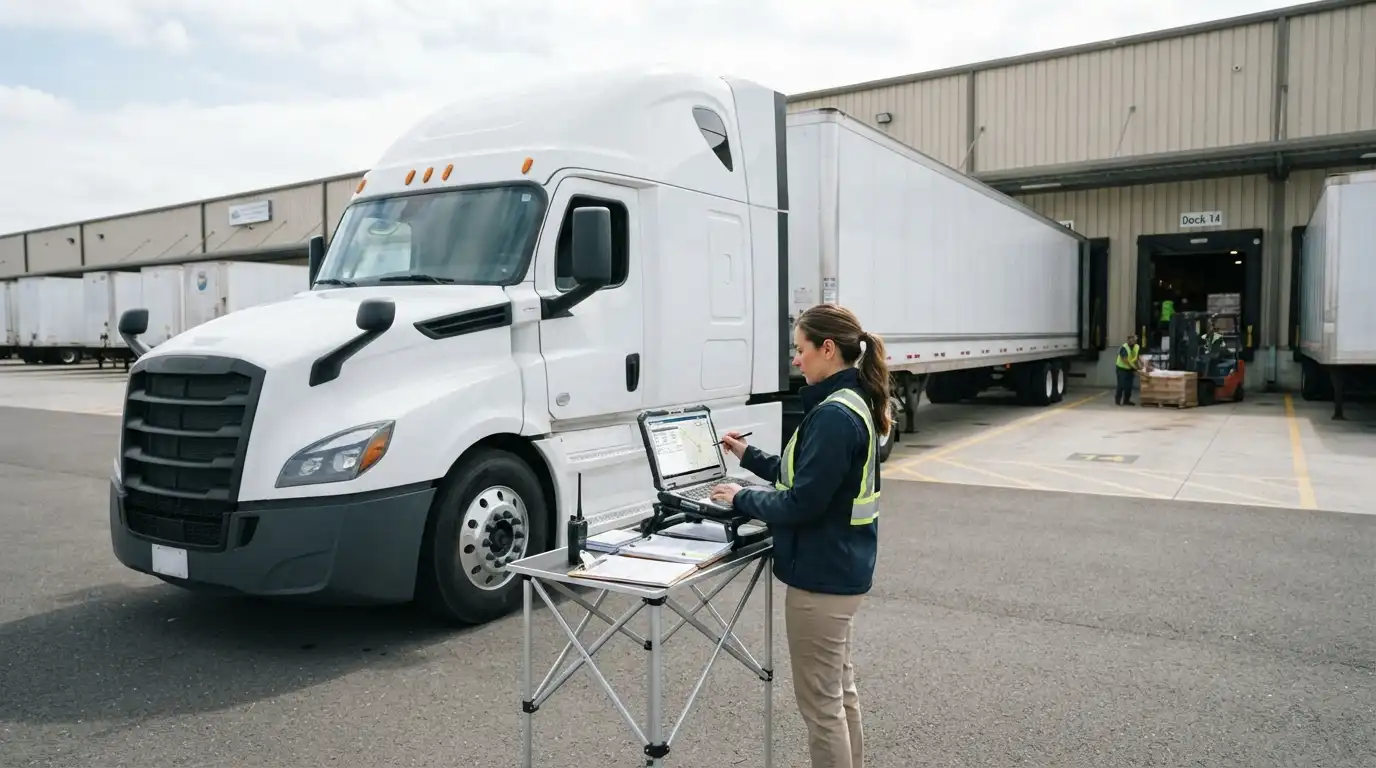
For carriers looking to improve their workflow, the goal should be to create a repeatable process from registration and document preparation through load acceptance, pickup, delivery, paperwork, and payment. This approach can reduce administrative friction and make day-to-day freight management easier to control.
Modern logistics also connects closely with broader transportation and supply-chain practices. Resources covering carrier setup and business logistics, supply chain efficiency, and reliable shipping operations can help illustrate how individual carrier processes fit into the larger freight ecosystem.
What Is Arrive Logistics Carrier Setup?
Arrive Logistics carrier setup refers to the process a transportation provider follows to establish its carrier relationship and become ready to handle freight through the Arrive Logistics network. Like other carrier onboarding processes, it involves providing business and operating information, completing required documentation, and making sure the carrier can meet applicable transportation requirements.
The exact requirements can vary depending on the carrier’s operation, equipment, authority, insurance, and the type of freight being handled. Carriers should therefore treat setup as an operational process rather than simply a registration form.
A well-organized setup gives a carrier a stronger foundation for managing loads, communicating with transportation partners, maintaining compliance records, and keeping financial documentation organized.
Why Proper Carrier Setup Matters
Freight operations involve multiple moving parts. A missing document, outdated insurance record, incorrect contact detail, or communication delay can create unnecessary problems during a shipment.
A structured carrier onboarding process can help establish clear responsibilities before freight is accepted. It can also make it easier for a carrier’s dispatch, operations, accounting, and compliance teams to work from the same information.
This becomes especially important as a fleet grows. A small carrier may initially manage paperwork manually, but increasing shipment volume creates a greater need for repeatable processes and centralized information.
Documents and Information Carriers Should Prepare
Before beginning a carrier setup process, it is useful to organize important business and transportation records in one location. Depending on the carrier’s circumstances and the requirements of the freight relationship, commonly requested information may include:
- Legal business information
- Motor carrier identification details
- Operating authority information
- Insurance documentation
- Tax and payment information
- Carrier contact information
- Equipment details
- Driver or dispatch contact information
- Banking or payment details where applicable
- Other compliance documents requested during onboarding
Keeping these records current is just as important as submitting them initially. If an insurance policy changes or business information is updated, operational records should be reviewed so that the information used by transportation partners remains accurate.
Step-by-Step Approach to Arrive Logistics Carrier Setup
1. Gather Your Business Information
Start by collecting the information that identifies your transportation business. Use consistent legal names and contact details across your documentation. Differences between records can create unnecessary verification questions and slow down administrative processes.
2. Organize Your Compliance Records
Carrier compliance information should be easy to locate. Create a dedicated digital folder for authority information, insurance records, operating documents, and other frequently requested paperwork.
This organizational approach is particularly useful for companies managing multiple trucks or drivers. A centralized document system reduces the time spent searching through emails and local computer folders whenever a document is requested.
3. Review Insurance Information
Insurance is an important part of commercial transportation. Carriers should keep policy information accurate and ensure that applicable coverage documents are readily available when required.
Insurance administration is also part of the wider risk-management side of transportation. For broader context, businesses can review resources such as insurance and asset protection and specialty insurance considerations.
4. Confirm Equipment Details
Make sure the equipment information associated with your operation is accurate. Different freight requirements may call for different equipment configurations, so carriers should maintain clear records of the trucks and trailers they operate.
Equipment information can also affect dispatch decisions. Accurate records help operations teams understand which loads may fit the available equipment and reduce avoidable mismatches.
5. Complete the Carrier Onboarding Process
Follow the current onboarding instructions provided through the appropriate Arrive Logistics carrier channels. Enter information carefully and review submitted details before completing each stage.
Rather than treating onboarding as a one-time administrative task, carriers should consider it the foundation of their freight workflow. Accurate setup information can make later operational communication much easier.
6. Establish Internal Responsibilities
Once the setup process is underway, decide who will handle dispatching, document management, shipment communication, billing, and compliance. Even a small carrier benefits from clearly assigning these responsibilities.
For larger operations, written procedures can help ensure that a shipment does not depend entirely on one employee remembering every step.
How Carrier Setup Fits Into Freight Operations
Carrier onboarding is only the beginning. After a carrier becomes operationally ready, the larger workflow typically includes finding or receiving suitable freight opportunities, reviewing load information, confirming availability, coordinating pickup, tracking progress, completing delivery, and handling documentation.
This is why carrier setup should be connected to a broader freight-management strategy. Related logistics resources such as global shipping operations and supply chain efficiency demonstrate how transportation activities connect across different stages of logistics.
Carrier Setup and Transportation Strategy
Carriers should also understand the difference between simply moving freight and building an efficient transportation operation. Decisions around dispatching, route planning, equipment utilization, customer communication, and carrier relationships can all influence operational efficiency.
The distinction between transportation models can become particularly important for businesses managing recurring freight. A useful related resource is this comparison of dedicated transportation and brokerage services.
Understanding these models helps transportation businesses determine which operational structure aligns with their freight requirements, customer commitments, and available resources.
Using Technology to Improve Carrier Operations
Technology can reduce repetitive administrative work throughout the freight lifecycle. Digital tools can help carriers organize documents, communicate with customers, monitor shipment information, and keep operational records accessible.
Technology is particularly useful when a carrier grows beyond a small number of shipments. What works with a handful of loads can become difficult to manage when dispatchers are coordinating numerous shipments simultaneously.
Businesses interested in the broader role of technology can also explore technology updates and business tools, data solutions for modern enterprises, and technology solutions for streamlined workflows.
Improving Dispatch and Communication
Good carrier operations depend heavily on communication. Dispatchers and drivers should have access to accurate load information, pickup instructions, delivery details, appointment information, and contact information.
When communication is fragmented, simple changes can become difficult to manage. A centralized workflow makes it easier to record updates and ensure that everyone involved is working with the same information.
For carriers handling multiple shipments, it can be useful to establish standard procedures for:
- Load acceptance
- Driver assignment
- Pickup confirmation
- Shipment status updates
- Delivery confirmation
- Document submission
- Billing follow-up
Carrier Setup and Financial Administration
Freight operations are not complete when a shipment reaches its destination. Carriers also need organized processes for paperwork, invoicing, payment records, and financial reconciliation.
Accurate documentation can make it easier to identify which loads have been delivered, which paperwork has been submitted, and which payments are still pending.
Transportation businesses can benefit from separating operational records from general accounting records while ensuring that both systems contain consistent shipment information. This approach can reduce confusion during month-end reconciliation and payment follow-up.
How to Make the Setup Process More Efficient
Create a Carrier Document Checklist
Maintain a checklist containing the documents and information that are commonly required for onboarding. Update the checklist when your operation changes or when transportation partners introduce new requirements.
Keep Digital Copies Organized
Use clear filenames and folders for insurance certificates, authority documents, business information, and other records. Avoid storing important documents only in individual email threads.
Review Information Regularly
Carrier information can change over time. Schedule periodic reviews of contact information, equipment records, insurance documents, and other operational data.
Standardize Dispatch Procedures
A written dispatch process can help ensure that drivers receive consistent instructions and that important shipment milestones are recorded.
Measure Operational Performance
Track useful operational indicators such as on-time pickup performance, on-time delivery, documentation accuracy, communication delays, and administrative turnaround times. These measurements can reveal where process improvements are needed.
Common Carrier Setup Mistakes to Avoid
Several avoidable mistakes can create unnecessary friction during onboarding and later freight operations.
- Submitting inconsistent information: Business details should match across relevant records.
- Using outdated documents: Keep insurance and operational records current.
- Poor document organization: Important files should be accessible when needed.
- Unclear responsibilities: Assign ownership for dispatch, compliance, billing, and communication.
- Ignoring operational technology: Manual processes can become difficult to maintain as shipment volume increases.
- Failing to review processes: A carrier should periodically assess what is working and where delays occur.
Building a More Scalable Freight Operation
Carrier setup is most valuable when it becomes part of a larger operational system. A scalable carrier business needs reliable processes for onboarding, dispatch, documentation, compliance, communication, and financial administration.
As freight volume increases, transportation companies may also need to rethink how people, equipment, and information move through the organization. Related resources on logistics workforce mobility, carrier and logistics setup, and shipping operations provide additional perspectives on transportation-related business processes.
Businesses should also consider how operational efficiency connects with revenue management and broader business planning. For example, understanding business revenue streams can help service-oriented companies think about how operational improvements support sustainable growth.
Final Thoughts
An effective Arrive Logistics carrier setup is more than completing an onboarding process. It is an opportunity to establish accurate records, organize compliance documentation, define internal responsibilities, and create a dependable workflow for handling freight.
Carriers that combine organized documentation with clear dispatch procedures, reliable communication, appropriate technology, and consistent financial administration can create a stronger foundation for day-to-day freight management.
Whether you operate a small fleet or manage a growing transportation business, the same principle applies: make the process repeatable, keep information current, and build systems that can scale as shipment volume increases.