A mouthguard is only one part of a complete athlete-protection strategy. Proper technique, appropriate coaching, conditioning, protective equipment, and sensible recovery habits all contribute to safer participation. For athletes interested in broader performance and conditioning, topics such as sports nutrition and athletic performance can also help build a more complete training approach.
What Is a Battle Sports Mouthguard?
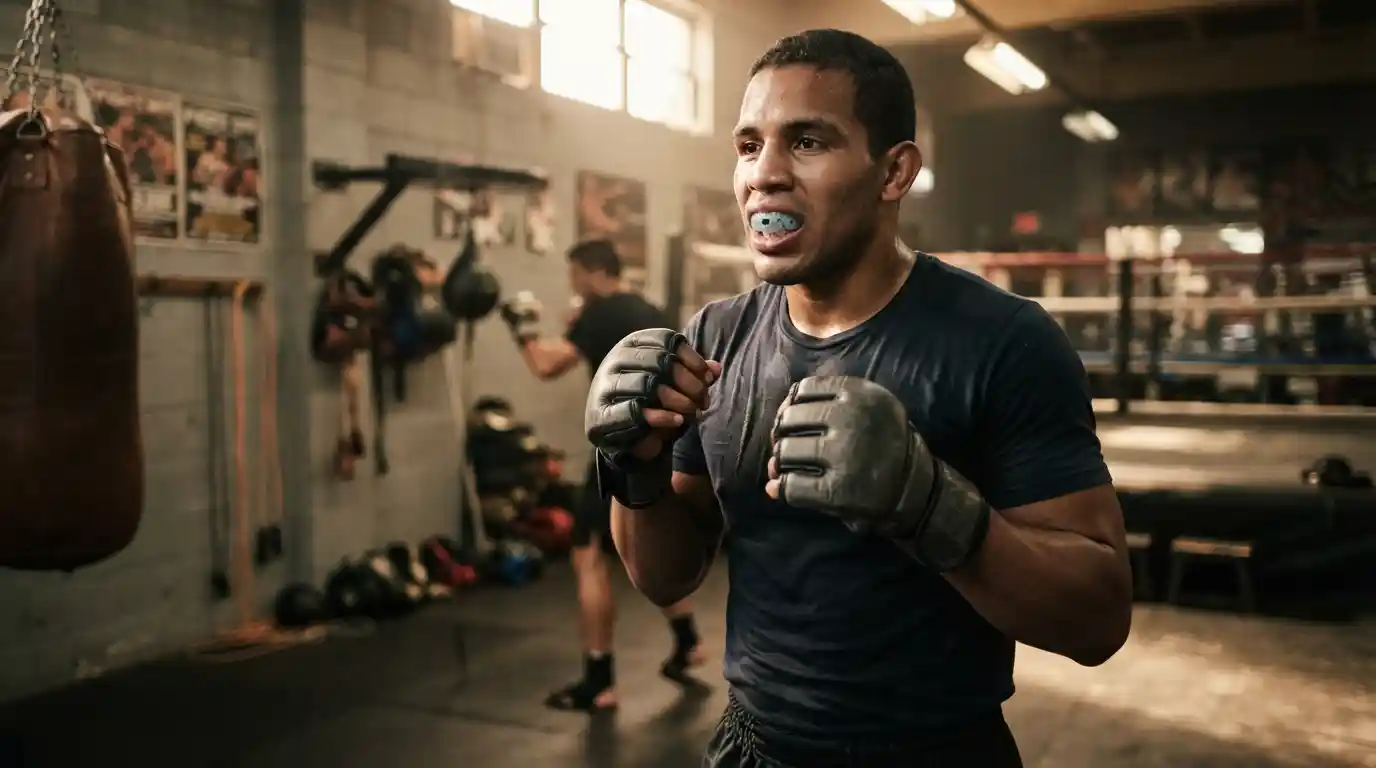
A battle sports mouthguard is a protective oral device worn during physical activities where contact or accidental impact may occur. It generally sits over the upper teeth and helps cushion direct blows to the mouth and jaw area.
In combat sports, athletes can experience impact from punches, kicks, elbows, knees, falls, accidental collisions, or contact with training equipment. A properly selected mouthguard can help reduce direct contact between the upper and lower teeth and provide a layer of protection for soft tissues inside the mouth.
The importance of appropriate protective equipment becomes even clearer when you consider how much physical education and athletic environments rely on structured preparation. Facilities and programs focused on movement and training can benefit from understanding how equipment contributes to an athlete’s overall safety and performance.
Why Mouth Protection Matters in Combat Sports
Combat sports involve controlled contact, but controlled does not mean completely predictable. Even experienced athletes can receive an unexpected impact. A mouthguard helps provide an additional protective layer during moments when an athlete cannot avoid contact.
Common concerns associated with contact include:
- Chipped or damaged teeth
- Soft-tissue injuries inside the mouth
- Accidental biting during impact
- Contact between the upper and lower teeth
- Discomfort caused by repeated impacts
- Potential jaw-area trauma
A mouthguard should therefore be viewed as part of a wider protective system rather than a substitute for good technique or appropriate supervision.
Athletes who are interested in the broader relationship between equipment and physical performance may also find fitness and wellness equipment useful when building a balanced training environment.
Who Should Wear a Sports Mouthguard?
Mouth protection can be useful for many athletes who participate in contact or collision-based activities. Boxers, MMA fighters, kickboxers, martial artists, rugby players, hockey players, and athletes in other contact sports may all have reasons to consider wearing one.
The exact requirements vary according to the sport, rules, level of competition, and type of contact involved. Coaches and governing organizations may also establish equipment requirements for particular competitions.
For younger athletes, mouth protection can be especially important because developing teeth and oral structures need appropriate care. Parents and athletes should choose equipment suitable for the individual’s age, sport, and circumstances rather than simply selecting the cheapest available option.
Key Features to Look for in a Battle Sports Mouthguard
Not every mouthguard provides the same fit or experience. When choosing protective equipment, athletes should consider several practical characteristics.
1. Secure Fit
A mouthguard should remain reasonably stable during movement and should not constantly shift while an athlete is training. A loose or poorly fitting mouthguard can become distracting and may reduce its usefulness.
2. Comfortable Construction
Combat training can already be physically demanding. An uncomfortable mouthguard can make breathing, communication, or concentration more difficult. Look for a design that feels secure without creating unnecessary pressure.
3. Appropriate Coverage
The mouthguard should provide suitable coverage for the activity it is being used for. Contact sports involve different movement patterns and risks, so athletes should select equipment designed for their specific use case.
4. Durable Material
A sports mouthguard needs to withstand repeated use and normal training conditions. Durable construction can make a difference for athletes who train frequently.
5. Easy Maintenance
A mouthguard is exposed to saliva, moisture, and bacteria every time it is used. It should therefore be straightforward to clean and dry after training.
Boil-and-Bite vs. Custom-Fitted Mouthguards
One of the most important decisions is how the mouthguard will be fitted.
Boil-and-bite mouthguards are designed to be softened in hot water and molded around the teeth. They are widely available and can provide a more personalized fit than completely generic models when molded correctly.
Custom-fitted mouthguards are created using dental impressions and are designed to fit the individual’s mouth more precisely. They can be a useful option for athletes who prioritize fit, comfort, and regular use.
The appropriate option depends on the athlete’s needs, budget, sport, dental circumstances, and professional advice. Athletes with braces, dental restorations, or other oral considerations should discuss mouthguard selection with an appropriate dental professional.
How a Mouthguard Can Support Athletic Confidence
Protective equipment is not only about physical coverage. Athletes often perform better when they can focus on their technique instead of constantly worrying about avoidable equipment problems.
A secure mouthguard can allow an athlete to concentrate on footwork, combinations, defense, timing, and movement. That is particularly useful during demanding sessions where concentration is already being tested.
Performance also depends on factors beyond protective equipment. Training environments, physical conditioning, nutrition, and appropriate footwear all contribute to an athlete’s overall preparation. For example, athletes can explore athletic footwear and comfort considerations when thinking about equipment beyond mouth protection.
Maintaining Your Sports Mouthguard
Proper care can help keep a mouthguard cleaner and extend its useful life.
Clean It After Every Training Session
Rinse the mouthguard with cool or lukewarm water after use. Depending on the manufacturer’s instructions, gentle cleaning may also be appropriate.
Allow It to Dry
Do not immediately seal a wet mouthguard inside a closed container. Allowing it to dry properly can help reduce unpleasant odors and moisture buildup.
Use a Ventilated Case
A protective case can keep the mouthguard from being crushed or contaminated inside a gym bag. A ventilated case is generally preferable because it allows airflow.
Inspect It Regularly
Look for cracks, tears, excessive thinning, distortion, or other signs of damage. A heavily worn mouthguard may no longer provide the intended level of protection.
When Should You Replace a Mouthguard?
There is no single replacement schedule that works for every athlete. Replacement depends on how frequently the mouthguard is used, how aggressively it is worn, the material, and the manufacturer’s recommendations.
Replace the mouthguard if it becomes damaged, loses its shape, develops significant wear, or no longer fits properly. Growing athletes may also need replacement as their mouths change.
If you train frequently, inspect your mouthguard as part of your regular equipment routine rather than waiting until obvious damage occurs.
Mouthguards and a Complete Training Routine
A mouthguard works best when it is part of a broader approach to athletic preparation. Combat athletes need conditioning, technical practice, recovery, nutrition, and suitable protective equipment.
Nutrition is one important part of this equation. Athletes can explore sports nutrition strategies to better understand how fueling and recovery relate to demanding physical activity.
Training spaces also matter. Facilities designed around structured athletic activity can provide the environment athletes need to develop skills safely. Learning more about physical education facilities and athletic environments can provide useful context for organized sports programs.
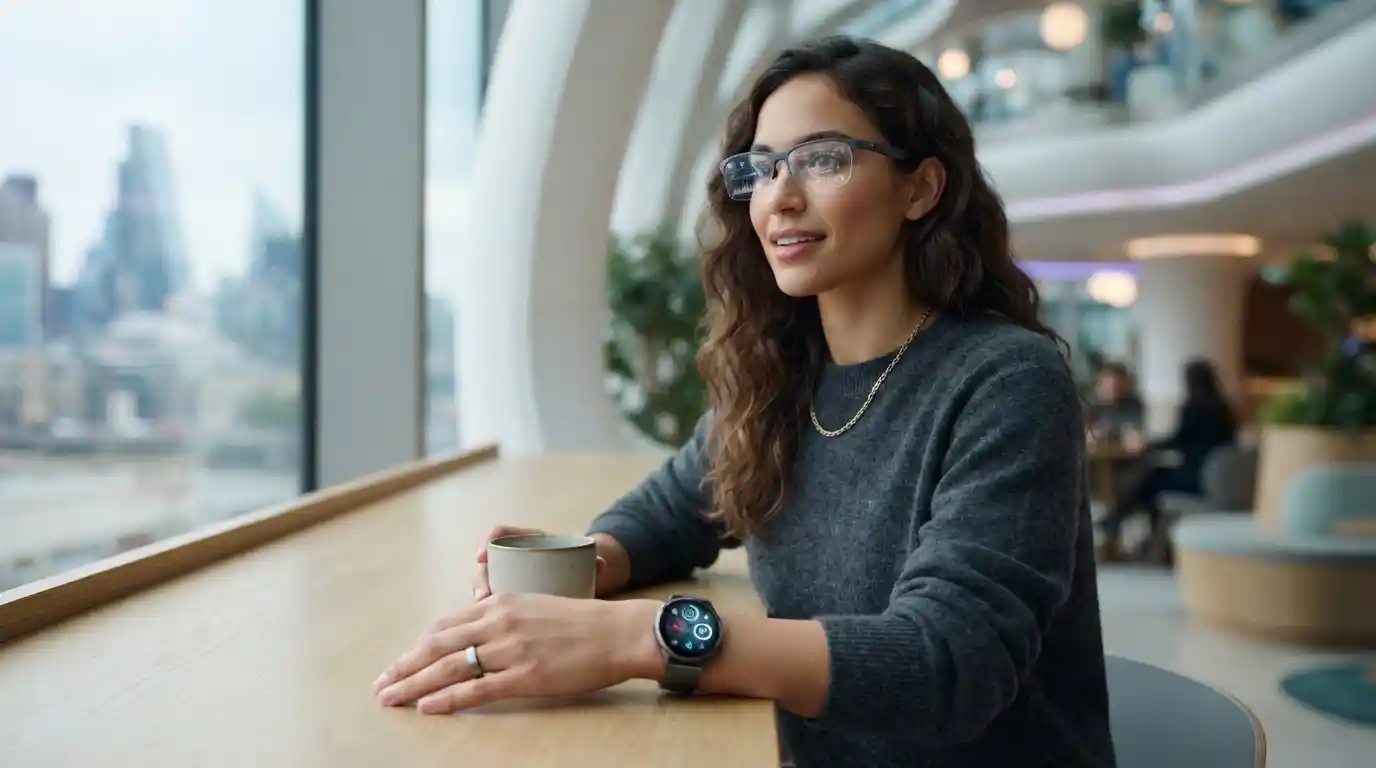
Technology is also becoming increasingly connected to training and wellness. Wearable devices, for example, can provide athletes with information about activity and training patterns. The growing role of wearable technology shows how modern athletes increasingly combine traditional equipment with digital tools.
Other Protective Equipment for Fighters
A mouthguard should rarely be the only protective item considered by a combat athlete. Depending on the sport and rules, athletes may also use headgear, gloves, shin protection, hand wraps, groin protection, chest protection, or other specialized equipment.
The specific combination should reflect the activity. Boxing equipment, for example, may differ significantly from equipment used in kickboxing or mixed martial arts.
Athletes can also look at broader sports equipment topics such as sports equipment and competitive preparation when reviewing their overall gear setup.
For athletes who participate in organized programs, inclusive sporting environments can also play a role in creating consistent opportunities for training. Resources discussing inclusive athletic experiences demonstrate how sports participation extends beyond equipment alone.
How to Choose the Right Mouthguard for Your Sport
Start by identifying the type of activity you participate in and how frequently contact occurs. Then consider fit, comfort, durability, breathability, maintenance, and the manufacturer’s instructions.
If you compete under formal rules, check whether your organization has specific equipment requirements. A mouthguard that works well for recreational training may not necessarily meet the requirements of a particular competition.
It is also worth considering your wider athletic lifestyle. For example, sports clothing and footwear can influence comfort during training, while nutrition and recovery influence how consistently you can train.
For athletes interested in sports-related lifestyle products, the site also covers topics such as sports-inspired apparel and performance-oriented athletic footwear.
Common Mistakes Athletes Make With Mouthguards
- Choosing a mouthguard solely because it is inexpensive
- Using a damaged or badly worn mouthguard
- Failing to clean it after training
- Storing it while it is still wet
- Ignoring changes in fit
- Using a mouthguard that is unsuitable for the sport
- Assuming protective equipment replaces proper technique
These mistakes can often be avoided with a simple equipment-maintenance routine. Treat your mouthguard like any other important piece of sports gear: inspect it, clean it, store it correctly, and replace it when necessary.
Building a Safer Combat-Sports Equipment Routine
Good preparation starts before stepping into the training area. Check your gloves, wraps, footwear, mouthguard, and other required protective equipment before every session. A few minutes of preparation can help prevent avoidable equipment problems.
Physical readiness matters as well. Athletes should develop conditioning gradually and allow sufficient recovery between demanding sessions. Broader wellness topics, including holistic wellness and healthy routines, can provide additional perspective on maintaining an active lifestyle.
For athletes managing demanding schedules, mental preparation can also be important. Training consistently requires attention to recovery, stress management, sleep, and sustainable habits. Related health and wellness resources such as mental health and overall wellbeing can complement the physical side of athletic preparation.
Final Thoughts
A battle sports mouthguard is a relatively small piece of equipment, but it serves an important role in contact-sport preparation. The right mouthguard can provide a protective barrier around the teeth and soft tissues while helping athletes stay focused during training and competition.
The best choice depends on the athlete, sport, frequency of use, fit requirements, and individual dental circumstances. Whether you choose a quality boil-and-bite model or a custom-fitted option, proper cleaning, storage, inspection, and replacement are essential.
Most importantly, a mouthguard should be part of a complete safety approach. Combine appropriate protective equipment with good coaching, sound technique, physical preparation, recovery, and sensible training practices. With the right habits and equipment, athletes can spend more time concentrating on skill development and less time worrying about preventable equipment issues.