Vibration training is not intended to replace conventional strength training, cardiovascular exercise, mobility work, or a balanced lifestyle. Instead, it can be used as a complementary tool. When combined with sensible exercise programming, adequate recovery, and appropriate nutrition, a vibration platform can become part of a convenient home or gym-based fitness setup.
What Is a DKN Technology Vibration Plate?
A vibration plate is a fitness platform that produces controlled mechanical oscillations through its surface. When a person stands or exercises on the platform, the vibrations create repeated small movements that require the body to stabilize and respond.
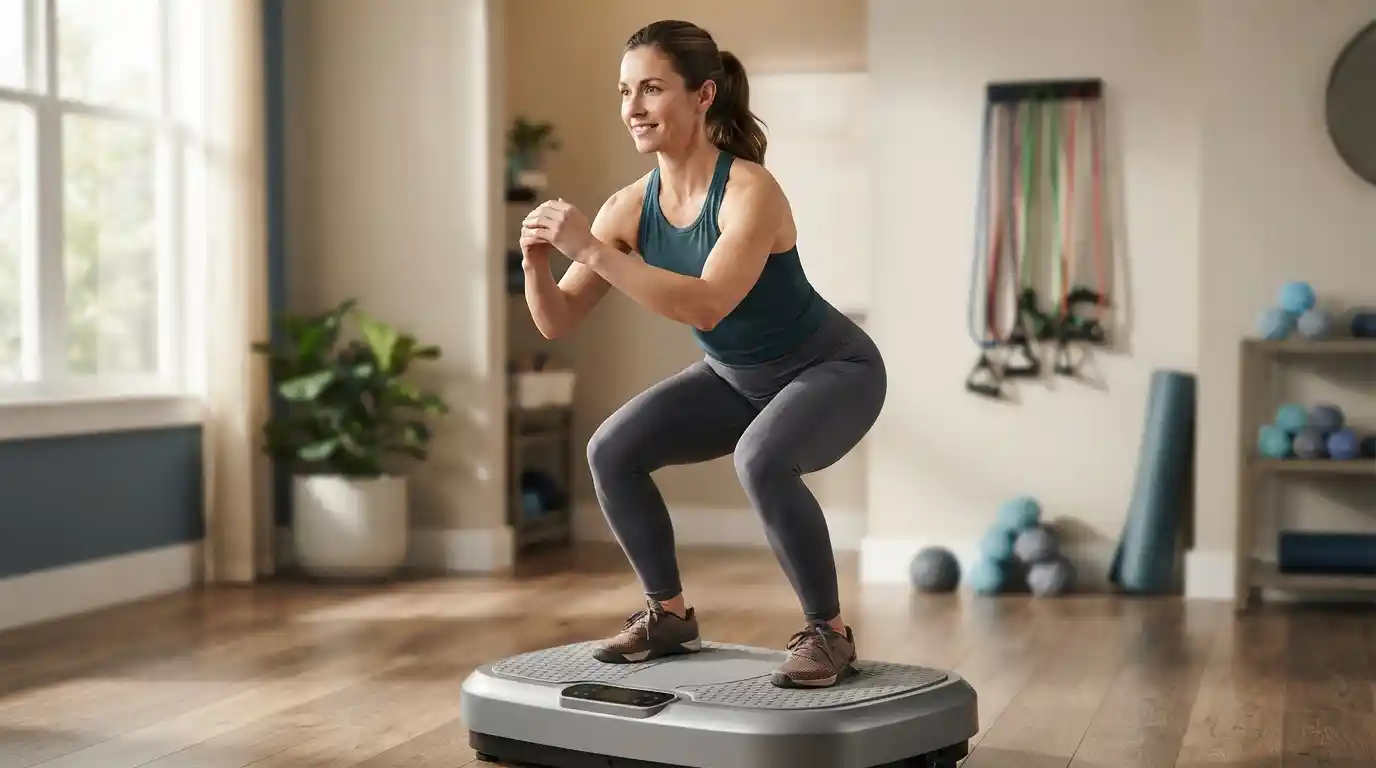
The experience can vary depending on the machine, vibration settings, body position, exercise performed, and individual user. Simple standing positions may provide a gentle introduction, while controlled movements such as partial squats or calf raises can make a session more demanding.
For people interested in technology-assisted exercise, vibration training sits at the intersection of fitness equipment and modern wellness technology. It can also complement broader developments in wearable technology, where devices increasingly help people understand and manage aspects of their daily activity.
How Does Vibration Plate Training Work?
When the platform vibrates, the body continually makes small adjustments to maintain position and stability. Depending on the exercise, these adjustments can involve the legs, core, and other muscles responsible for maintaining posture.
A basic session may involve standing comfortably on the platform for short intervals. More advanced users may combine the vibration platform with movements such as:
- Partial squats
- Calf raises
- Controlled lunges
- Static holds
- Gentle mobility movements
- Balance-focused exercises
The goal should be controlled movement rather than simply increasing vibration intensity. Proper positioning and gradual progression are generally more useful than attempting to make every session as intense as possible.
Potential Benefits of Using a Vibration Plate
Whole-body vibration training may offer several useful features for people looking to diversify their exercise routine. The exact experience and benefits can vary from person to person, so a vibration plate should be viewed as a fitness aid rather than a universal solution.
1. Adds Variety to Exercise
One of the simplest advantages is variety. Repeating the same workout routine can become monotonous, particularly for people exercising at home. Adding a vibration platform creates another training option without requiring a large collection of equipment.
People interested in different forms of athletic activity can also explore related subjects such as sports performance and competitive training while developing a more varied approach to movement.
2. Can Complement Strength Exercises
A vibration plate can be incorporated into exercises that already use body weight. For example, a user might perform controlled squats or static positions while maintaining good posture and stability.
It should not be considered a substitute for progressive resistance training. Traditional strength exercises remain important for developing strength and functional capacity, while vibration training can serve as an additional training stimulus.
For athletes and active individuals, equipment choices can also be part of a larger performance strategy. Articles covering performance-focused tuning and precision illustrate the broader role that specialized equipment can play in performance-oriented activities.
3. Supports Balance and Stability Work
Because the body responds to movement beneath the feet, vibration training can be incorporated into exercises that emphasize balance and postural control. Beginners should start with simple positions and use a stable environment.
Balance-focused training can be especially useful as part of a broader movement program rather than as a standalone workout. Those developing athletic skills can also explore sports protection and training considerations when building a complete approach to exercise.
4. Convenient for Home Fitness
A vibration plate can be attractive to people who want an exercise option that fits into a home environment. Instead of requiring a full gym setup, the platform can provide another way to perform short movement sessions.
Home fitness can also be connected to broader lifestyle planning. Creating a comfortable environment, establishing realistic exercise habits, and selecting suitable equipment can make it easier to maintain consistency.
5. May Fit Into Recovery-Focused Routines
Some people use vibration platforms as part of gentle movement or recovery routines. Lower-intensity movements may be incorporated before or after other activities, depending on the individual’s goals and comfort.
Recovery should not be reduced to a single piece of equipment. Sleep, hydration, nutrition, mobility, workload management, and rest days all contribute to a sustainable fitness routine.
For a broader perspective on wellness and lifestyle, readers can explore holistic lifestyle and wellness concepts and holistic approaches to health and wellness.
DKN Vibration Plate and Full-Body Fitness
The most useful way to approach a vibration plate is as one component of a complete fitness plan. A balanced program may combine cardiovascular exercise, resistance training, flexibility work, mobility exercises, recreational sports, and appropriate recovery.
Nutrition is another major part of the equation. People training regularly should pay attention to overall dietary quality and adequate energy intake. Athletes may have additional nutritional considerations depending on their sport, workload, and goals. A useful related resource is this guide to sports nutrition for gymnasts, which demonstrates how nutrition can be connected to physical performance.
How to Use a Vibration Plate for Beginners
If you are new to vibration training, begin with simple movements and short sessions. Stand comfortably with your feet positioned securely on the platform and maintain an upright but relaxed posture.
Once you are comfortable, you can gradually introduce movements such as:
- Basic standing
- Gentle knee bends
- Partial squats
- Calf raises
- Controlled static holds
Focus on technique and stability before increasing duration or intensity. If a movement causes pain, unusual discomfort, dizziness, or instability, stop and reassess the exercise.
Combining Vibration Training With Other Technology
Modern fitness increasingly incorporates technology into exercise planning. Wearable devices, activity trackers, smart equipment, and digital training platforms can all contribute to a more connected fitness experience.
Readers interested in the wider technology landscape can explore recent technology developments and technology and innovation trends.
Fitness technology does not have to be complicated. A simple combination of equipment, consistent movement, and basic tracking can be enough for many users. The most important consideration is whether the technology helps support a sustainable routine rather than becoming a distraction from the fundamentals of exercise.
Vibration Plates, Wearables, and Data-Driven Fitness
People who enjoy tracking workouts may use wearable devices to monitor activity and other personal metrics. The growth of connected technology has made it easier to collect information about exercise habits and daily movement.
The broader technology ecosystem is also expanding through data-focused businesses and platforms, including developments discussed in modern data solutions. For fitness users, however, data should remain a tool rather than the primary goal.
Useful information can help identify patterns, but it should be interpreted alongside how you actually feel, your training goals, and your ability to recover between sessions.
Can a Vibration Plate Replace a Workout?
A vibration plate should generally be considered a supplement to a fitness routine rather than a complete replacement for exercise. A well-rounded program still benefits from activities that challenge cardiovascular fitness, muscular strength, mobility, coordination, and endurance.
For example, someone could combine vibration training with walking, cycling, resistance exercises, recreational sports, and flexibility work. People interested in organized physical activity can also look at inclusive sports and athletic activities as another way to keep movement enjoyable.
Vibration Training and Wellness
Fitness and wellness are closely connected, but wellness involves more than exercise. Stress management, sleep, nutrition, social connection, and appropriate medical care all have a role in overall health.
For broader health-related reading, LeadingVista also covers topics such as comprehensive healthcare services and wellness-focused health topics.
People managing a medical condition, recovering from an injury, pregnant individuals, or anyone who has been advised to restrict certain forms of exercise should discuss the suitability of vibration training with an appropriately qualified healthcare professional before using a vibration platform.
Creating a Practical Vibration Plate Routine
A practical routine does not need to be complicated. Start with a manageable frequency and focus on movement quality. A simple session could include a short warm-up, basic vibration-platform exercises, conventional strength or mobility work, and a cool-down.
For example, a general fitness session might look like this:
- Warm-up: Gentle walking and mobility movements.
- Vibration work: Comfortable standing, partial squats, or calf raises.
- Strength: Conventional body-weight or resistance exercises.
- Mobility: Controlled stretches and range-of-motion work.
- Cool-down: Easy movement and relaxed breathing.
The exact routine should depend on fitness level, goals, experience, and any applicable health considerations.
How Lifestyle Can Support Better Fitness Results
Equipment can help, but consistency remains one of the most important elements of a fitness routine. Creating a lifestyle that makes movement convenient can increase the likelihood that exercise becomes a regular habit.
Footwear, clothing, exercise space, scheduling, and recovery habits can all influence the overall experience. For example, readers interested in lifestyle and active footwear can explore comfort and style in lifestyle shoes.
For people who prefer exercising outside the home, social environments can also make physical activity more enjoyable. Lifestyle and recreational communities can provide additional ways to incorporate movement into everyday life.
For a different perspective on active lifestyle environments, see lifestyle clubs and recreational experiences.
Safety Considerations Before Using a Vibration Plate
Using a vibration platform responsibly is more important than trying to achieve maximum intensity. Keep the platform on a stable surface, follow the manufacturer’s operating instructions, and use an exercise position that you can control comfortably.
Beginners should avoid unnecessarily difficult movements until they understand how their body responds to the vibration. Holding a stable support nearby can also be useful when balance is uncertain.
Anyone with a medical concern should seek individualized advice before beginning a new exercise modality. A vibration platform is fitness equipment, not a diagnostic or medical treatment device.
The Role of Technology in the Future of Fitness
The DKN Technology vibration plate represents one example of how technology can become part of a modern exercise environment. As fitness equipment continues to evolve, users have access to increasingly varied ways to exercise, monitor activity, and personalize routines.
The wider development of connected devices and wearable fitness technology may continue to influence how people approach training and recovery. At the same time, the fundamentals remain familiar: regular movement, appropriate progression, adequate recovery, and sustainable habits.
Technology works best when it supports those fundamentals rather than attempting to replace them.
Final Thoughts
The DKN Technology vibration plate can be an interesting addition to a home or gym fitness setup for people who want to experiment with whole-body vibration training. It can be incorporated into controlled exercises, balance work, warm-up or recovery-focused routines, and broader wellness programs.
The key is to use the platform as part of a balanced approach rather than relying on it as a shortcut. Combine vibration training with conventional exercise, sensible nutrition, adequate recovery, and consistent habits to create a fitness routine that is practical and sustainable.
For anyone exploring the wider relationship between technology, sports, health, and modern wellness, the LeadingVista library also includes resources covering physical education environments, health technology and imaging, and other technology-driven developments.