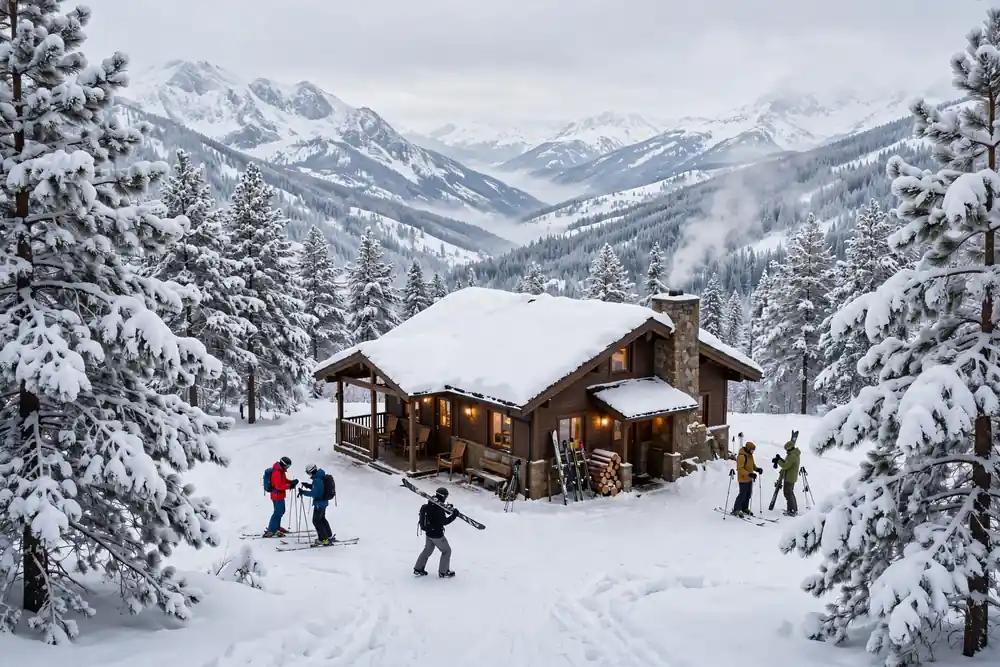
Finding budget ski stays takes more than picking the lowest price on a search page. The cheapest room is rarely the best deal once you add taxes, fees, parking, and transport, and the right neighborhood can save you as much as the room itself. This guide walks through where to stay, when to book, and what to check before you pay, so you can plan a trip to the United States that fits a real budget without unpleasant surprises.
Travelers often start by searching for budget ski stays and sorting by price, but that approach misses the details that matter. A room far from transit can cost more in rideshares than you saved on the rate, and a hotel with a steep resort fee can beat a cheaper-looking option on the final bill. The sections below focus on total cost, location, and timing, which are the three levers that actually control what a budget trip costs.
Where to Find Budget Ski Stays That Are Worth It
The best-value areas in the United States are usually not the most famous ones. Tourist centers charge for their location, while nearby neighborhoods offer similar access at lower rates. For a broader sense of what top-rated stays cost in the same city, compare with the best hotels in San Diego before you commit to a budget pick.
Colorado’s smaller resorts
Resorts like Loveland, Monarch, and Wolf Creek offer cheaper lift tickets and lodging than the famous names, with plenty of snow and shorter lift lines.
Utah’s Salt Lake City base
Staying in Salt Lake City and driving to nearby canyons can cut lodging costs sharply compared with slope-side resorts, and the city has hostels and budget hotels.
Vermont and New England towns
Vermont towns like Killington’s outskirts and Stowe’s neighboring villages offer motels, inns, and lodge rooms that undercut resort villages.
Whichever area you choose, check the walk to the nearest transit stop or parking lot before booking. A hotel that looks cheap on a map can feel expensive after a week of taxi fares, while a slightly pricier room near a station often wins on total cost. Travelers planning a wider trip can also look at the best hotels in Seattle to compare how prices shift between destinations.
How to Save Money on Budget Ski Stays
Start by comparing the final price, not the headline rate. Taxes, resort fees, and parking vary widely, and booking sites do not always show them the same way. Look for lodging with ski storage, a drying room, and breakfast included, since these extras save real money and hassle on a ski trip. Then check the hotel’s own website, since direct bookings sometimes include free breakfast, free cancellation, or a waived fee that third-party sites do not show.
Flexibility is the second-biggest saver. Shifting your stay by a day or two, choosing a Sunday-to-Thursday pattern, or traveling in the shoulder season can cut rates sharply. If your dates are fixed, set a price alert early and book a refundable rate, then re-check closer to departure, because prices sometimes drop as hotels fill unsold rooms.
- Compare the all-in total, including taxes, fees, and parking, before choosing.
- Book a refundable rate early, then watch for price drops.
- Travel midweek or in the shoulder season when you can.
- Pick a hotel near transit to cut taxi and rideshare costs.
- Weigh free breakfast and kitchen access as real savings.
- Join the hotel’s free loyalty program for member-only rates.
Loyalty programs deserve a mention even for occasional travelers. Free membership often unlocks a lower rate, free Wi-Fi, and late checkout, and points from one trip can discount the next. For ideas on stretching a trip further, see the best hotels in Denver and the best hotels in Nashville, which cover value-focused travel in other parts of the country.
When to Book Budget Ski Stays
Early season and late season bring the best lodging deals, while holiday weeks are the most expensive. Midweek skiing also means emptier slopes.
As a rule, booking two to six weeks ahead works well for budget stays in the United States, while last-minute deals are unreliable in peak periods. For popular weekends, holidays, and events, book as soon as your plans are firm, because the cheapest rooms sell first. If you are traveling off-season, you can often afford to wait and compare, but keep a refundable backup so you are not left without a room.
What to Check Before You Book
Before you pay, read the cancellation policy, check-in and check-out times, and the list of included amenities. A cheap rate with a strict no-refund policy is a bad deal if your plans might change, and a hotel without luggage storage can complicate arrival and departure days. Recent guest reviews are the best check on cleanliness, noise, and honesty about photos, so read the newest ones first and look for patterns rather than single complaints.
- Is the rate refundable, and until when?
- What taxes and fees are added at checkout?
- Is parking free, and is it safe and well-lit?
- Does the room include breakfast, Wi-Fi, and a fridge?
- How far is the nearest transit stop or highway exit?
- Do recent reviews mention noise, cleanliness, or hidden charges?
Room type matters too. A double room, a queen room, and a room with two beds are not the same thing, and booking sites sometimes label them loosely. If you travel with family or friends, confirm bed setup and occupancy limits before paying, since extra-guest fees can erase a bargain. For family-focused planning, the best hotels in Austin offers a useful comparison of destinations that cater well to kids.
Getting Around Without Overspending
A car with winter tires or all-wheel drive matters in ski country, though some resorts run shuttles from nearby towns. Check road conditions before driving mountain passes.
Walking is free and often the fastest way to explore compact areas, and many budget neighborhoods reward walkers with street food, markets, and local shops. When you do need a ride, compare the cost of a day transit pass with single fares, and use rideshares for short hops rather than cross-town trips. If you rent a car, factor in parking for every stop, not just the hotel, since downtown garages can charge a full day’s budget on their own.
For longer stays, consider splitting your time: a few nights near the main sights, then a few nights in a cheaper area once you know the city. Travelers extending a trip often find value in the best hotels in Atlanta or the best hotels in Charleston, which highlight affordable escapes beyond the main tourist centers.
Mistakes to Avoid When Booking Budget Ski Stays
The most common mistake is judging a stay by its nightly rate alone. Fees, parking, breakfast, and transport can swing the real cost by fifty dollars a day or more, so always build a simple daily total before comparing options. The second mistake is booking the first result without checking the neighborhood, since a cheap room in an inconvenient or noisy location can cost you time and sleep.
Another trap is overpaying for a view or a brand name you will barely use. If you plan to spend your days sightseeing, a clean, quiet, well-located room beats a famous address. Finally, avoid non-refundable bookings unless your plans are truly fixed, and keep confirmation emails and cancellation deadlines in one place so a change of plans does not become a lost payment. For a different style of trip on a similar budget, the best cruises for Americans and best luxury hotels in the USA show how other travelers keep costs down.
Frequently Asked Questions About Budget Ski Stays
How far in advance should I book budget ski stays?
Two to six weeks ahead is a good window for most budget stays, with earlier booking for holidays and events. A refundable rate booked early protects you while leaving room to rebook if prices fall.
Are cheap stays in the United States safe and clean?
Most are, but quality varies more at the budget end, so read recent reviews, check photos from guests rather than the hotel alone, and prefer properties with consistent ratings over time rather than a single glowing review.
What hidden fees should I watch for?
Resort fees, destination fees, parking, and local taxes are the usual extras. Always compare the final checkout total, and ask the hotel directly if a fee is unclear before you book.
Is it cheaper to stay outside the city center?
Usually yes, especially near a transit line or highway. Compare the savings against transport costs and travel time, since a longer commute can eat the difference on a short trip.
For more budget travel ideas, explore cheap hotel deals across the USA, the best boutique hotels in the USA, and cabin getaways across the USA, which cover affordable stays and trips in other popular American destinations.
Final Thoughts
Affordable travel in the United States comes down to three choices: a well-located neighborhood, a flexible booking, and an honest look at the total cost. Get those right, and budget ski stays can leave you more money for food, sights, and experiences, which is what the trip is really about. Start with the areas above, compare all-in prices, and book the room that fits your plans, not just the lowest headline rate.
One last planning note: keep a short list of two or three backup properties before you travel, so a sold-out hotel or a changed plan does not force a rushed, expensive decision. Save the hotel’s phone number and address offline, confirm your arrival time if you land late, and ask about early check-in or luggage storage when you book. These small steps cost nothing and often save a stressful first hour in a new city, which is worth as much as any discount.