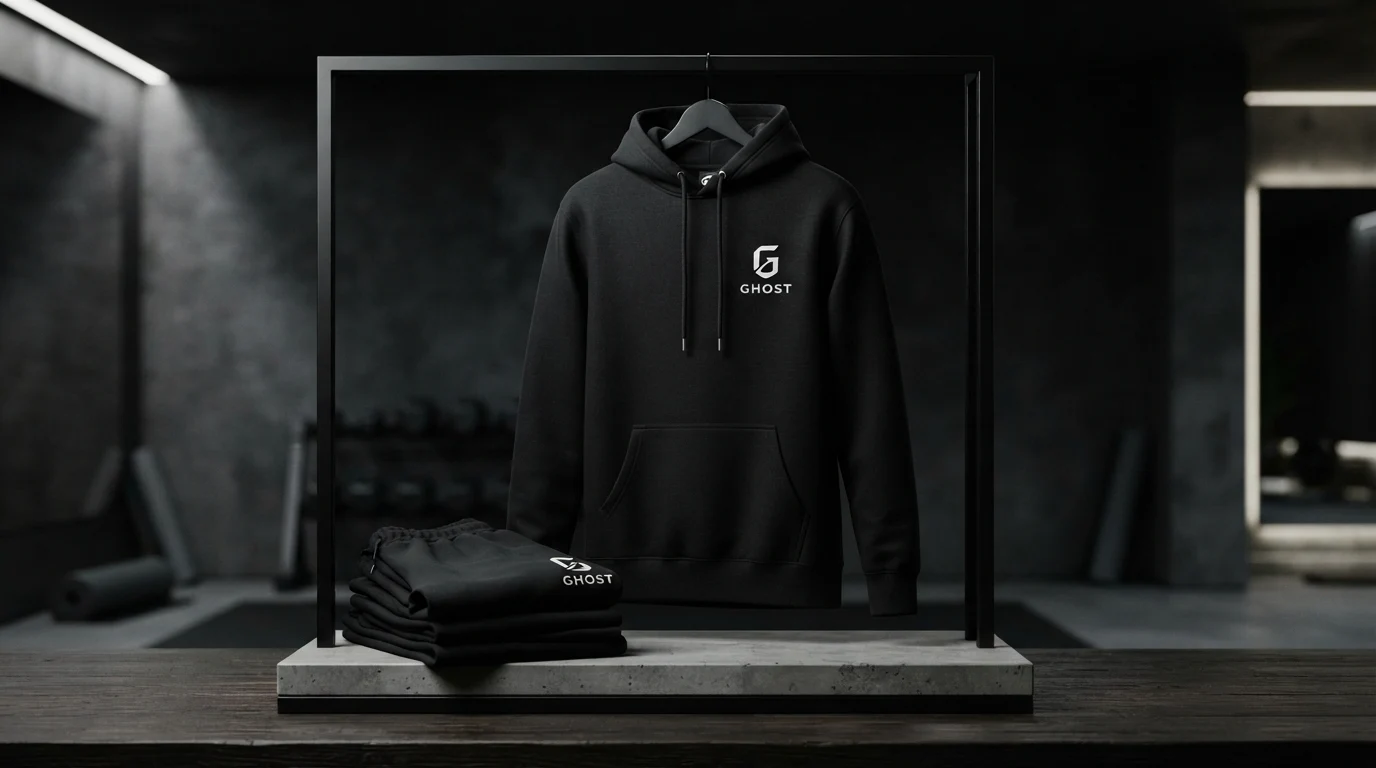
Ghost has developed a recognizable presence across products, apparel, and lifestyle merchandise. Its visual approach helps connect different parts of the brand while giving customers a consistent identity to associate with the company.
In this guide, we explore what makes the Ghost Lifestyle logo memorable, how logo design supports brand recognition, and what businesses can learn from a strong visual identity.
What Is the Ghost Lifestyle Logo?
The Ghost Lifestyle logo is the visual branding associated with GHOST®, a lifestyle sports nutrition brand. The company’s identity extends beyond supplements into apparel, accessories, and other lifestyle products.
The brand’s own story describes GHOST® as a lifestyle sports nutrition brand built around the idea of being seen and making an impact. That positioning gives the visual identity a purpose beyond simply identifying a product.
A strong logo should work across multiple environments. In the case of Ghost, the identity can appear on brand-focused merchandise, apparel, packaging, digital experiences, and promotional material without losing its recognizable character.
Why the Logo Matters to the Ghost Brand
Brand recognition is one of the biggest reasons companies invest in professional logo design. Customers often encounter a visual mark before they read a product description or learn the full story behind a company.
A distinctive identity can make a business easier to remember, particularly when it operates in a competitive market. The Ghost brand demonstrates how a consistent visual language can connect products that serve different purposes.
This principle applies to companies in almost every sector, from technology and software to fashion, sports, retail, and entertainment. A strong visual identity can make a business feel more established and consistent across its customer touchpoints.
Key Elements of Effective Logo Design
1. Simplicity
Effective logos generally need to remain recognizable without excessive visual complexity. A simple design can be easier to reproduce on packaging, apparel, websites, social media graphics, and promotional materials.
Simplicity is particularly important when a logo needs to work at multiple sizes. A mark that looks clear on a large sign should also remain identifiable when reduced for a small digital application.
2. Memorability
A logo should give customers something distinctive to remember. Memorability comes from the combination of shape, typography, proportions, visual balance, and consistent use rather than from adding as many elements as possible.
The same principle can be applied when developing a modern brand logo for a new business. The objective is to create an identity that can become familiar through repeated exposure.
3. Versatility
A successful brand identity must function in different environments. Digital screens, product packaging, apparel, advertisements, business documents, and social media may all require different versions or applications of the same visual identity.
This is why professional logo development should consider practical usage from the beginning rather than treating the logo as an isolated graphic.
4. Consistency
Consistency helps turn a logo into a recognizable brand asset. When typography, spacing, colors, imagery, and logo placement follow a coherent system, customers receive a more unified experience.
The same concept is relevant to businesses working on technology branding, business innovation, or enterprise technology positioning.
Ghost Lifestyle Logo and Apparel Branding
One of the most visible applications of the Ghost identity is apparel. Clothing gives a lifestyle brand an opportunity to turn its visual identity into something customers can physically wear.
The current Ghost apparel range includes logo-focused products alongside collections built around different themes. This illustrates how a recognizable brand identity can remain consistent while being adapted to different designs and product lines.
For businesses studying modern fashion branding, this is an important lesson: a logo does not have to dominate every design. It can become part of a larger visual system that works across different styles.
How a Logo Builds Brand Recognition
Brand recognition develops through repetition. Customers may encounter the same visual identity on a website, product, social media account, advertisement, storefront, or item of clothing.
Over time, these repeated encounters can help customers connect the visual mark with the company’s products and personality.
This is especially important for lifestyle businesses because the brand itself can become part of the customer’s identity. Apparel, accessories, and other branded products allow customers to display an association with the company beyond simply purchasing its core product.
What Businesses Can Learn From Ghost’s Branding
Create a Logo That Matches the Brand Personality
A logo should reflect the personality a business wants to communicate. A luxury company may require a different visual approach from a sports brand, technology company, restaurant, or entertainment business.
For example, companies working in digital marketing need branding that can work across websites, advertising campaigns, social media, and other digital channels.
Think Beyond the Logo
A logo is only one part of a brand identity. Businesses should also consider typography, color systems, photography, graphic elements, packaging, website design, and the overall customer experience.
This broader approach is particularly useful for companies investing in digital marketing and brand visibility, where visual consistency can influence how customers perceive a company across multiple platforms.
Design for Multiple Applications
Before approving a logo, businesses should test how it performs in realistic situations. A design may appear excellent on a presentation screen but become difficult to use on a small product label or social media profile.
Testing different applications helps identify whether the identity is genuinely versatile.
Logo Design in Fashion and Lifestyle Industries
Fashion and lifestyle brands often place greater emphasis on visual identity because customers may purchase products partly because of the identity associated with them.
That makes logo placement, typography, garment design, and visual consistency particularly important. Businesses exploring fashion identity can see how visual presentation contributes to the perception of a brand.
The same concept can apply to accessory-focused businesses, where the visual identity needs to remain attractive across products and promotional material.
Why Memorable Logos Matter Online
Modern brands operate across many digital touchpoints. A logo can appear on a website header, mobile interface, social profile, email campaign, digital advertisement, or online store.
For this reason, businesses should create identities that remain recognizable on both large and small screens. Responsive digital branding is now an important consideration during the design process.
Companies building an online presence can also benefit from understanding mobile-first digital experiences and modern digital technology.
Common Logo Design Mistakes to Avoid
Using Too Many Design Elements
Adding excessive shapes, fonts, colors, and decorative effects can make a logo difficult to recognize. A focused design is often more adaptable.
Following Trends Too Closely
Design trends can be useful sources of inspiration, but a brand identity should not become outdated as soon as a trend disappears. Businesses should prioritize longevity and relevance.
Ignoring Scalability
A logo that only works in one size creates unnecessary problems. Businesses should test identities across websites, print materials, apparel, packaging, and social media.
Inconsistent Usage
Changing colors, proportions, typography, or placement without a clear system can weaken recognition. Brand guidelines help maintain consistency.
How to Create an Iconic Brand Logo
Creating an iconic identity starts with understanding the business. Designers should identify the company’s audience, personality, positioning, competitors, and long-term goals before developing visual concepts.
The next step is developing several design directions and evaluating them against practical requirements. The strongest concept should be distinctive while remaining functional across the brand’s most important applications.
Businesses should also consider how the identity will support future marketing. A logo should be able to coexist with photography, advertising layouts, website designs, product packaging, and social content.
For businesses investing in technology-focused marketing, industry-specific digital strategies, or broader digital growth, this consistency can help create a recognizable presence across channels.
Frequently Asked Questions About the Ghost Lifestyle Logo
What is the Ghost Lifestyle logo?
The Ghost Lifestyle logo is part of the visual identity used by GHOST®, a lifestyle sports nutrition brand that also operates across apparel and merchandise.
Why is a logo important for a lifestyle brand?
A logo gives customers a recognizable visual point of association with a company. For lifestyle brands, it can also become part of how customers express their connection with the brand.
What makes a logo memorable?
Distinctive visual elements, simplicity, consistency, appropriate typography, and repeated exposure can all contribute to logo memorability.
Should a logo include many design elements?
Not necessarily. A focused identity is often easier to recognize, reproduce, and adapt across different applications.
Can a logo work across fashion and digital marketing?
Yes. A well-designed identity can be adapted for apparel, websites, social media, advertising, packaging, and other brand touchpoints.
Final Thoughts
The Ghost Lifestyle logo demonstrates an important principle of modern branding: a logo becomes more powerful when it is supported by a consistent brand experience. Recognition does not come from a symbol alone. It develops through repeated exposure, coherent design, strong positioning, and meaningful connections with customers.
For businesses developing their own identity, the most useful lesson is to think beyond creating an attractive graphic. A successful logo should communicate the character of the brand, remain practical across different applications, and provide a foundation for a broader visual system.
Whether a company operates in fashion, technology, sports, entertainment, or professional services, investing in a clear and memorable identity can strengthen its long-term presence and make its marketing easier to recognize.