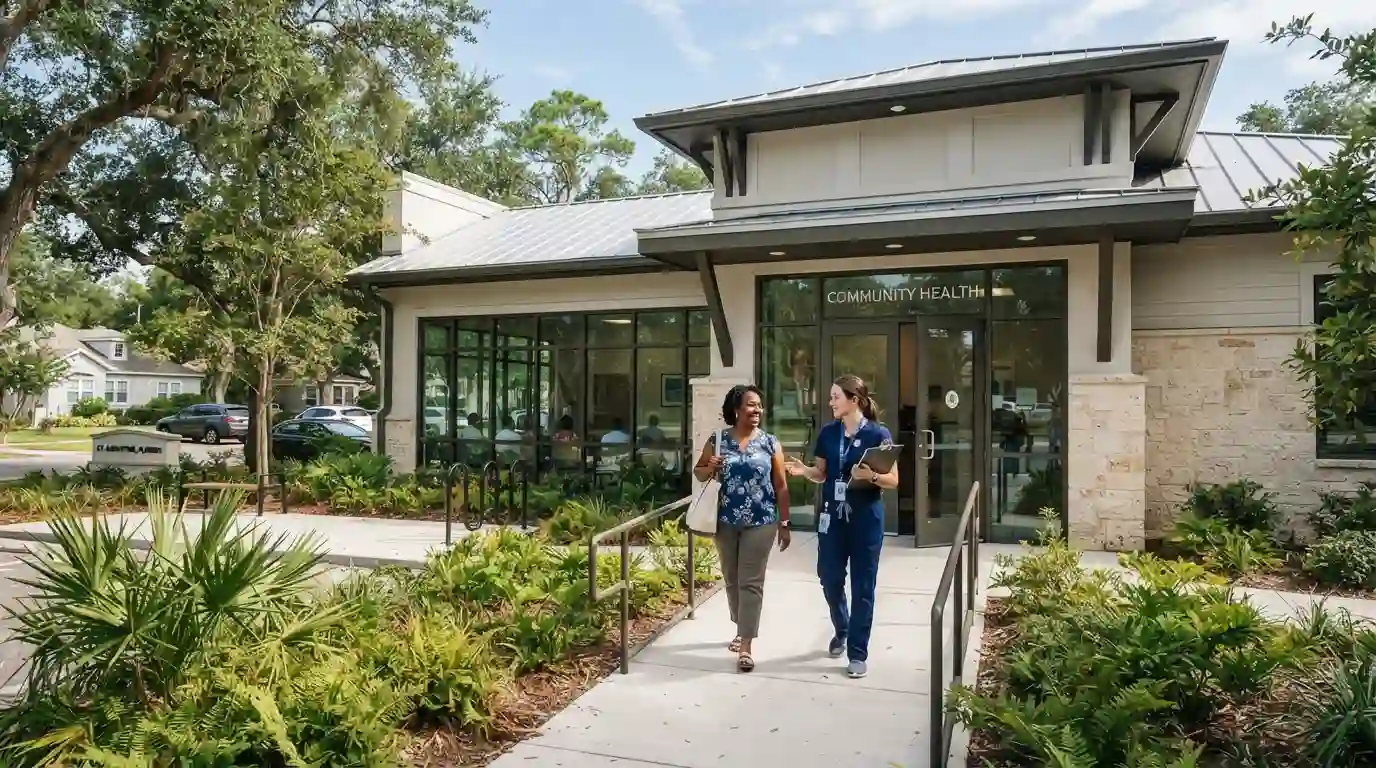
Located in St. Augustine, Florida, Aza Health is part of a broader healthcare organization focused on making care more accessible and affordable for the communities it serves. Its St. Augustine location provides primary care and telehealth services, giving patients options for receiving care based on their individual needs.
This guide explores what makes Aza Health St. Augustine relevant to local patients, what types of care people may seek there, how preventive healthcare fits into the patient journey, and what to consider before scheduling an appointment.
What Is Aza Health St. Augustine?
Aza Health St. Augustine is a community-focused healthcare location in St. Johns County, Florida. The organization behind the location, Aza Health, has a long-standing focus on accessible healthcare and serves communities across several counties in northern Florida.
The St. Augustine location is designed to provide primary healthcare services for individuals and families. Patients can also benefit from telehealth options when appropriate, which can make certain healthcare interactions more convenient.
For people researching healthcare providers in the St. Augustine area, understanding the difference between routine primary care, preventive services, specialty care, and urgent medical needs is important. A primary care provider can often serve as the starting point for many ongoing healthcare needs and can help determine when additional evaluation or specialist care is appropriate.
Why Primary Care Matters
Primary care is more than visiting a medical office when something feels wrong. It can provide an ongoing relationship between a patient and healthcare team, helping establish a clearer picture of health over time.
Routine appointments may include general health evaluations, preventive discussions, screenings, medication reviews, and management of existing health concerns. Consistent primary care can also help patients understand which health issues require follow-up and which preventive steps may be appropriate.
Patients interested in broader healthcare topics can also explore patient-centered medical care and healthcare relationships to understand why continuity and communication remain important parts of modern healthcare.
Preventive Healthcare at the Center of Long-Term Wellness
Preventive healthcare focuses on identifying potential health concerns early and helping people maintain healthier habits before problems become more complicated. Depending on age, health history, and individual circumstances, preventive care can involve routine examinations, recommended screenings, vaccinations, lifestyle discussions, and monitoring of important health indicators.
Regular healthcare visits can also create opportunities to discuss concerns that may otherwise be overlooked. Changes in energy, sleep, weight, blood pressure, medications, or other aspects of daily health can be useful topics to raise with a qualified healthcare professional.
Families looking at preventive care from a broader perspective may also find value in resources about gentle healthcare and wellness considerations for children.
Managing Chronic Health Conditions
People living with long-term health conditions often need consistent monitoring rather than one-time treatment. Conditions such as diabetes, hypertension, asthma, and arthritis may require ongoing communication with healthcare professionals and regular adjustments based on changing circumstances.
A primary care provider can play an important role in coordinating this process. Patients may receive guidance on monitoring their condition, following treatment plans, understanding medications, and determining when additional medical evaluation is necessary.
Good chronic-care management also depends on patients being comfortable asking questions. Keeping a list of medications, noting changes in symptoms, and preparing questions before an appointment can make healthcare conversations more productive.
Mental Health as Part of Comprehensive Care
Physical and mental health are closely connected. Stress, anxiety, depression, sleep difficulties, and other mental health concerns can affect everyday functioning and overall well-being. For that reason, mental health should not be treated as completely separate from general healthcare.
Aza Health identifies mental health as one of its broader service lines, while the St. Augustine location is associated with medical and mental health services. Patients with mental health concerns should discuss their needs with an appropriate healthcare professional to determine what type of support may be suitable.
For additional reading, see this guide to mental health clinic services for a broader look at how mental healthcare can fit into community-based care.
Healthcare professionals and students can also explore medical assessment and healthcare education to better understand the importance of structured patient evaluation.
Telehealth and the Changing Patient Experience
Healthcare delivery has changed significantly as digital tools have become more common. Telehealth can provide another way for patients to communicate with healthcare professionals when an in-person visit is not necessary or when remote care is appropriate.
For patients, the biggest advantage of telehealth can be convenience. A remote appointment may reduce travel time and make it easier for some people to maintain communication with their healthcare team.
Technology also plays an expanding role in diagnostic services, medical records, patient communication, and healthcare administration. Readers interested in this broader transformation can explore modern medical imaging technology and the future of wearable healthcare technology.
Healthcare Technology and Patient Convenience
Digital healthcare tools can make certain parts of the patient experience more convenient. Online communication, electronic records, telehealth platforms, and digital scheduling systems are increasingly common throughout the healthcare industry.
However, technology should complement rather than replace appropriate clinical care. Not every medical concern can be handled remotely, and patients should follow the guidance of qualified healthcare professionals when determining whether an in-person evaluation is necessary.
The growth of digital healthcare also creates new opportunities for healthcare organizations to improve infrastructure. A broader look at this subject can be found in healthcare infrastructure and digital systems.
Affordable and Accessible Healthcare
Cost and accessibility can influence whether people seek medical attention when they need it. Community healthcare organizations can be particularly important for patients who need dependable care while navigating insurance coverage, financial limitations, or other barriers.
Aza Health describes its mission around accessible and affordable healthcare. Its broader organization also provides services across multiple communities in northern Florida, reflecting a community-health model designed to reach populations that may face barriers to traditional healthcare access.
Patients should always confirm current insurance participation, eligibility requirements, payment arrangements, and available services directly with the healthcare provider before an appointment.
Insurance is another important part of healthcare planning. For general background on insurance and financial protection, readers can also explore insurance coverage and financial protection.
Family Healthcare and Community Support
Healthcare needs can change throughout a person’s life. Children may require preventive visits and vaccinations, adults may need routine screenings and chronic-condition management, and older adults may need more frequent monitoring or coordination between different providers.
A community healthcare provider can make it easier for families to establish consistent healthcare routines. Rather than waiting for a serious problem to develop, families can use regular appointments to discuss preventive care and address concerns early.
Healthcare can also extend beyond the medical office. Home-based support and caregiving may become important when an individual has mobility limitations, chronic health needs, or requires additional assistance. Learn more about home care services and family support.
Nutrition, Wellness, and Everyday Health
Medical care is only one part of maintaining overall health. Nutrition, physical activity, sleep, stress management, and other daily habits can influence general well-being.
For active individuals, nutritional needs can vary considerably based on activity level, age, goals, and existing health conditions. This makes professional guidance particularly useful when someone has specific medical or nutritional concerns.
For a more specialized look at nutrition and physical performance, explore this sports nutrition guide.
Wellness can also involve broader lifestyle choices. Readers interested in holistic approaches can explore health and wellness practices as part of a wider understanding of personal well-being.
Healthcare Education and Informed Decisions
Being an informed patient does not mean diagnosing yourself. Instead, it means understanding your health history, knowing what medications you take, preparing questions, and communicating clearly with healthcare professionals.
Healthcare education is equally important for future professionals. Students and aspiring healthcare workers can benefit from understanding patient assessment, clinical communication, and the relationship between technology and medical practice.
For readers interested in healthcare careers, healthcare career education offers another perspective on the field and its future workforce.
Specialized Healthcare and Diagnostic Services
Primary care frequently acts as an entry point into the broader healthcare system. When a patient’s situation requires additional evaluation, a primary care provider may recommend testing, specialist consultation, or another level of care.
Diagnostic technology is an important part of this process. Imaging, laboratory testing, and other diagnostic tools can provide healthcare professionals with information needed to evaluate specific concerns.
The role of diagnostic technology continues to evolve, making medical imaging and other clinical technologies increasingly important parts of modern healthcare. Patients should discuss the purpose, preparation requirements, and expected results of any recommended test with their healthcare provider.
Healthcare Access for Different Patient Needs
No two patients have exactly the same healthcare journey. Some people may primarily need preventive visits, while others may require ongoing chronic-condition management, mental health support, medication assistance, or referrals to additional providers.
This is why accessibility involves more than simply having a healthcare office nearby. Patients also benefit from understandable communication, appropriate care coordination, reasonable appointment options, and clear information about costs and coverage.
Healthcare access can also be influenced by community resources, transportation, employment, family responsibilities, and other practical factors. A community-oriented healthcare model can help address some of these challenges by bringing multiple forms of support closer to the populations being served.
How to Prepare for an Aza Health Appointment
Preparing before a medical appointment can help patients make better use of their time with a healthcare professional. Consider bringing or preparing the following:
- A current list of medications and supplements.
- Information about allergies and previous medical conditions.
- Relevant medical records or recent test results when available.
- A short list of symptoms and when they started.
- Questions about treatment, medications, screenings, or follow-up care.
- Insurance and identification information requested by the healthcare provider.
If you are seeing a provider for an ongoing condition, keeping a simple record of symptoms, readings, or changes since your last visit can also help create a clearer picture of your health.
When to Seek Immediate Medical Attention
A primary care clinic is not a replacement for emergency medical services. Serious symptoms such as severe chest pain, major difficulty breathing, sudden loss of consciousness, signs of a stroke, severe bleeding, or another potentially life-threatening emergency require immediate emergency medical attention.
When a health concern is urgent but not life-threatening, patients should follow appropriate local medical guidance and contact a qualified healthcare provider to determine the next step.
Understanding the Broader Healthcare Ecosystem
Modern healthcare involves much more than a single appointment. Primary care, preventive medicine, mental health, diagnostics, pharmacy services, digital health, nutrition, community resources, and specialist referrals can all form part of a patient’s healthcare journey.
This broader ecosystem is especially important for communities that need accessible and affordable services. Aza Health’s community-focused model illustrates how healthcare organizations can combine different service lines while maintaining a focus on the needs of local populations.
Healthcare also intersects with social issues and access to specialized services. Readers interested in the broader relationship between society and medical technology can explore social issues surrounding healthcare technology.
For professionals interested in healthcare-related careers, specialized nursing roles also demonstrate the variety of opportunities within modern healthcare. See this guide to travel ICU nursing careers for another perspective on the healthcare workforce.
What to Know Before Choosing a Healthcare Provider
When comparing healthcare providers, consider factors that directly affect your needs rather than relying only on general reputation. Location, available services, appointment options, insurance participation, communication methods, and whether the provider accepts new patients can all matter.
It is also useful to understand which services are offered at a particular location versus elsewhere within the healthcare organization’s network. Services can change over time, so confirming details directly with the provider is always a practical step.
Final Thoughts on Aza Health St. Augustine
Aza Health St. Augustine provides a community-oriented option for people seeking primary healthcare in the St. Augustine area. Its connection to Aza Health’s broader network gives patients access to an organization focused on affordable, accessible, and community-based healthcare.
For many patients, the value of primary care comes from establishing a consistent healthcare relationship rather than waiting until a medical concern becomes serious. Preventive visits, chronic-condition management, mental health support, telehealth, and appropriate referrals can all contribute to a more coordinated approach to personal health.
If you are considering Aza Health St. Augustine, verify the current services, appointment availability, insurance requirements, payment information, and location details directly before visiting. This ensures that you have the most current information for your particular healthcare needs.
Ultimately, choosing healthcare is a personal decision based on individual medical needs, accessibility, coverage, and professional guidance. Aza Health St. Augustine can be one option for residents seeking community-based primary care and related healthcare support in the St. Augustine area.