Whether you are interested in live entertainment, exclusive parties, fashion-focused occasions, cultural experiences, or professional events, a calendar-based approach can help you decide what to attend and when to plan. This guide explains how to use an entertainment calendar effectively, what types of events to look for, and how to prepare for a memorable experience.
What Is a Blonde Entertainment Calendar?
The phrase blonde entertainment calendar can refer to a themed or curated schedule of entertainment-related events and activities. Depending on the platform or audience, listings may include concerts, performances, fashion events, parties, social gatherings, festivals, premieres, and other experiences.
The most useful calendars focus on practical information rather than simply listing event names. Important details can include the date, time, location, event type, admission requirements, age restrictions, ticket information, and any special instructions attendees should know before making plans.
For readers interested in performance and entertainment more broadly, resources such as Mastering the Entertainer 5e can also provide useful context around performance-focused interests.
Why Use an Entertainment Calendar?
Entertainment schedules can change quickly. New performances may be announced, venues can update their programs, and popular events can reach capacity. A centralized calendar gives readers a clearer way to organize their plans.
A calendar can be especially useful when you want to:
- Discover upcoming entertainment opportunities.
- Compare events happening on different dates.
- Plan evenings, weekends, or special occasions in advance.
- Coordinate entertainment plans with friends or family.
- Explore events connected to fashion, music, culture, and lifestyle.
- Avoid scheduling conflicts between multiple activities.
Entertainment can also overlap with lifestyle interests. For example, readers exploring lifestyle clubs and exclusive experiences may find calendar-style planning particularly helpful when deciding which social activities fit their schedule.
Types of Events to Look For
Live Music and Performances
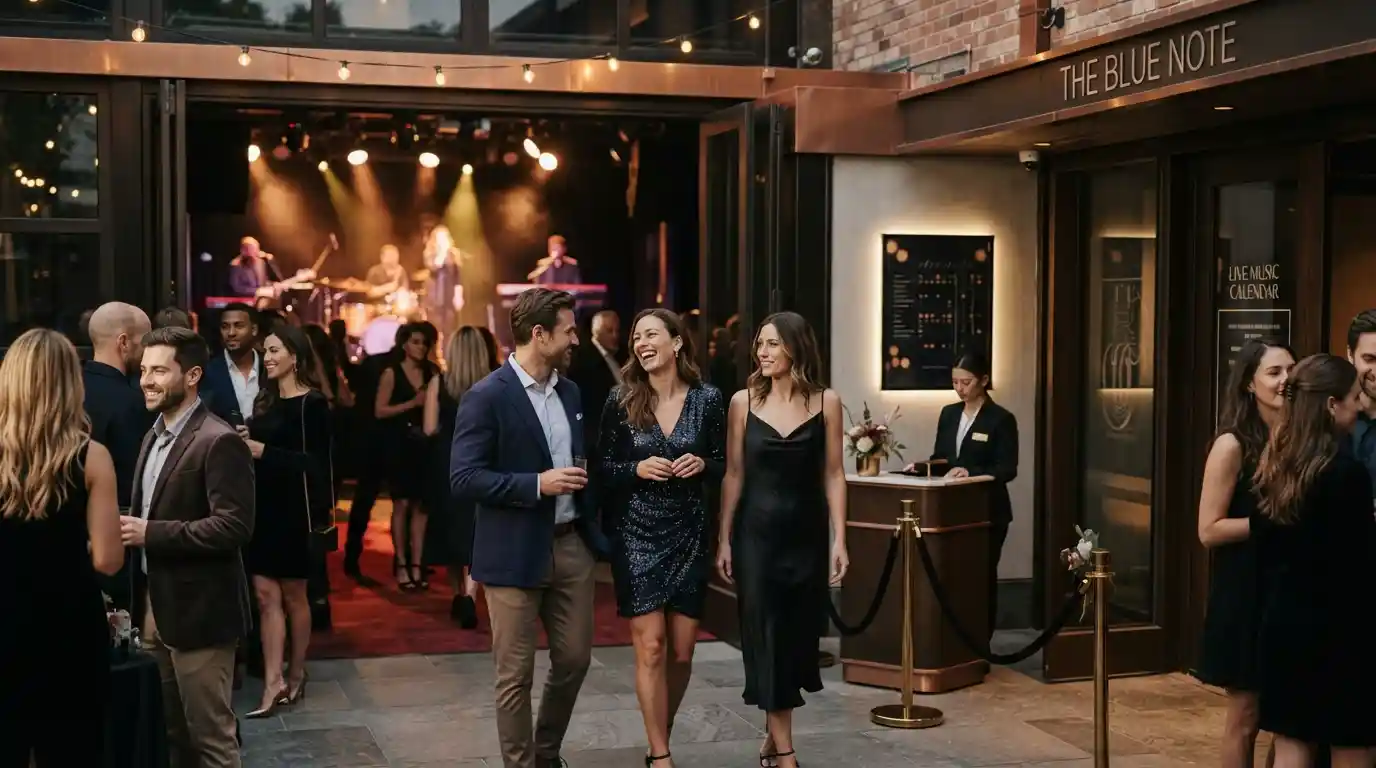
Concerts, live shows, performances, and music-focused gatherings are among the most common entertainment calendar entries. When evaluating a listing, check the performer, venue, start time, doors-open time, ticket conditions, and transportation options.
Performance-related entertainment can range from large public events to smaller experiences designed around a specific audience. A good calendar should make these differences clear so readers can quickly identify the type of experience they are looking for.
Fashion and Style Events
Fashion events can add another dimension to an entertainment calendar. Runway presentations, style showcases, exhibitions, fashion parties, and industry gatherings can attract audiences interested in clothing, accessories, design, and celebrity culture.
For additional style inspiration, readers can explore fashion magazine trends, Eurotrash fashion, and fashion ring styles.
Historical fashion can also influence modern entertainment aesthetics. The story of Dorothy Dandridge’s fashion legacy demonstrates how entertainment and personal style can become closely connected.
Film and Premiere Events
Film screenings, premieres, special showings, and entertainment-industry gatherings can also belong on an exclusive events calendar. These events often have specific entry requirements, scheduled start times, and limited availability.
When planning for a premiere or screening, check the official event details carefully rather than relying solely on social media posts or third-party announcements.
Social and Lifestyle Events
Not every entertainment experience revolves around a stage. Social events, private gatherings, themed parties, networking occasions, and lifestyle experiences can also attract audiences looking for something different.
Some event-planning concepts overlap with broader corporate event planning and package considerations, particularly when an event involves formal scheduling, guest management, venues, catering, or organized activities.
Dining and Hospitality Experiences
Dining can be part of the entertainment experience, especially when restaurants host themed evenings, special menus, celebrations, or private events. Venue selection can influence the overall atmosphere just as much as the entertainment itself.
For readers planning entertainment around dining, destinations such as Emerald Restaurant Verona and Mizu Japanese Restaurant Alabaster illustrate how food and destination experiences can become part of a broader outing.
How to Plan Around an Entertainment Calendar
Finding an interesting event is only the first step. Planning ahead can make the experience considerably smoother.
1. Start With Your Interests
Begin by identifying the type of entertainment you actually enjoy. Music fans may prioritize concerts, while fashion enthusiasts may prefer showcases and style events. Others may be more interested in dining, cultural experiences, parties, or live performances.
Creating categories for your interests makes a large calendar easier to manage and prevents you from spending time on events that do not match your preferences.
2. Check the Date and Time
Always verify the event date and start time before making arrangements. If an event has multiple sessions, confirm the specific session attached to your ticket or invitation.
Leave enough time for transportation, parking, security checks, registration, and entry procedures. A schedule that looks convenient on paper may require additional travel time in practice.
3. Review Admission Requirements
Some events are open to the public, while others require advance registration, invitations, memberships, or specific tickets. Age restrictions and identification requirements may also apply.
Do not assume that an event described as exclusive automatically includes admission. Review the event’s official conditions before committing to your plans.
4. Plan Your Outfit and Personal Style
Fashion can be an important part of entertainment events, particularly for premieres, parties, showcases, and formal gatherings. Consider the venue, event type, expected dress code, weather, and length of the event when selecting an outfit.
For additional historical style inspiration, 16th-century French fashion offers an example of how distinctive clothing traditions can shape visual presentation.
5. Build a Flexible Schedule
A packed calendar can become stressful if every event is scheduled back-to-back. Leave reasonable gaps between activities, especially when venues are in different areas.
Flexibility also helps when an event changes its schedule or when you discover another activity that better fits your plans.
How to Evaluate Event Listings
Not every online event listing provides the same level of useful information. Before relying on a listing, look for clear details about the organizer, venue, date, time, admission process, and ticket source.
Be cautious when a listing makes unusually broad promises without providing practical information. A trustworthy event page should make it reasonably clear what attendees are purchasing or attending.
This is particularly important for high-demand events where unofficial ticket listings may create confusion. When possible, verify important details through the event organizer or venue before purchasing.
Entertainment, Fashion, and Personal Style
Entertainment calendars often intersect with fashion because special events provide opportunities for attendees to express personal style. Clothing, accessories, footwear, and overall presentation can become part of the experience.
Sports and celebrity culture can also influence entertainment fashion. For example, Dwyane Wade’s latest shoes and style influence show how sports figures can connect performance, footwear, and popular culture.
Similarly, a Pete Rose T-shirt represents how entertainment and sports memorabilia can become part of an individual’s event-day style.
Making Exclusive Events More Enjoyable
Exclusive does not necessarily mean complicated. The best event experiences usually begin with clear expectations and sensible preparation.
Before attending, confirm:
- Venue address and entry point.
- Event start and end times.
- Ticket or registration requirements.
- Dress expectations.
- Parking or transportation options.
- Whether photography or recording is permitted.
- Any age or identification requirements.
If you are traveling for an event, consider the surrounding destination as part of your overall itinerary. Guides covering unique places to visit can help inspire ideas for combining entertainment with sightseeing.
Accommodation may also matter when an event finishes late or takes place outside your home area. A destination hotel guide such as Hotel Atlantic in Bologna demonstrates how lodging can become part of a broader travel and entertainment plan.
Entertainment Careers and the Industry Behind Events
Entertainment calendars are also useful from an industry perspective. Performers, event professionals, venue operators, promoters, marketers, photographers, and other specialists all contribute to the experiences audiences see on a calendar.
People interested in working within the industry can explore topics such as part-time entertainment jobs to understand some of the opportunities connected with entertainment and event-based work.
Understanding the work behind an event can also make audiences more aware of the planning, coordination, promotion, and technical preparation required to deliver a successful experience.
Using a Calendar Without Overbooking Yourself
One of the biggest advantages of a calendar is organization, but adding too many events can defeat that purpose. Instead of trying to attend everything, group events by priority and location.
For example, you might maintain separate categories for concerts, fashion events, social gatherings, dining experiences, and travel-related entertainment. This makes it easier to see which dates are becoming crowded.
You can also use a simple priority system:
- Must attend: Events that are especially important to you.
- Consider: Interesting events that fit your schedule.
- Optional: Activities you may attend if time allows.
Final Thoughts
A blonde entertainment calendar can be viewed as more than a list of dates. When organized properly, it becomes a planning tool for discovering entertainment, coordinating social activities, exploring fashion and culture, and building memorable experiences.
The key is to focus on useful event information, verify important details, plan realistically, and choose activities that genuinely match your interests. Whether your ideal evening involves a live performance, fashion gathering, special dinner, cultural experience, or social event, a well-structured calendar can make the process easier to navigate.
For broader entertainment-related exploration, readers can also look at entertainment and puzzle-related content and other lifestyle topics across LeadingVista.