This guide explores the most common types of part-time entertainment jobs, the skills they require, where opportunities can be found, and practical steps for building a sustainable career in the industry.
What Are Part-Time Entertainment Jobs?
Part-time entertainment jobs are paid roles connected to entertainment, media, performance, events, creative production, or audience engagement that do not necessarily require a standard full-time schedule.
The work can happen in many different environments. A person might perform at local venues on weekends, coordinate private events, create social media content from home, photograph live performances, assist a production team, or help promote entertainment brands online.
The range of opportunities makes the industry particularly attractive to people with different backgrounds and skill sets. Someone who enjoys public speaking may prefer performing or hosting, while an organized person may be better suited to event coordination. A visually creative individual might explore photography, fashion content, or digital media.
Entertainment careers can also overlap with other creative industries. For example, fashion, photography, music, events, lifestyle media, and digital marketing frequently interact with entertainment projects.
Why Consider a Part-Time Entertainment Career?
One of the biggest advantages of part-time entertainment work is flexibility. Many opportunities are built around specific projects, performances, events, campaigns, or production schedules rather than a fixed Monday-to-Friday routine.
1. Flexible Scheduling
Part-time roles can work well for people who already have school, family responsibilities, another job, or freelance commitments. Evening and weekend opportunities can sometimes make it possible to pursue entertainment without immediately leaving an existing source of income.
2. Creative Freedom
Entertainment work can allow people to use skills that may not be emphasized in conventional office jobs. Writing, photography, music, performance, design, communication, storytelling, and audience engagement can all become valuable professional abilities.
For people interested in creative careers, understanding different forms of performance and entertainment can also help identify the areas that best match their interests.
3. Portfolio Development
Many entertainment opportunities provide material that can eventually become part of a professional portfolio. A photographer can build a collection of event images, a performer can develop demonstration videos, and a content creator can showcase campaigns or original productions.
4. Professional Networking
Entertainment is highly collaborative. Working on events or productions can introduce you to performers, organizers, photographers, venue managers, producers, marketers, and other professionals.
Those relationships can become useful when searching for future projects. However, networking should be approached professionally: focus on building genuine working relationships rather than simply asking people for opportunities.
Popular Part-Time Entertainment Jobs
There is no single path into entertainment. The following roles represent several areas worth considering depending on your skills and availability.
1. Event Coordinator or Event Assistant
Entertainment events require people who can manage schedules, vendors, performers, guest arrangements, equipment, venues, and last-minute changes.
A part-time event coordinator or assistant may work at concerts, festivals, private celebrations, corporate gatherings, promotional events, or other live experiences.
Event planning can be especially suitable for organized people who enjoy fast-paced environments. A useful related resource is this guide to corporate event planning packages and pricing.
Experience with event logistics can eventually lead to larger coordination responsibilities or independent event-planning work.
2. Social Media Content Creator
Entertainment businesses increasingly depend on social media to attract audiences and promote events, performers, products, and experiences.
Part-time content creators may produce short videos, photographs, captions, promotional graphics, behind-the-scenes content, or event updates.
You do not necessarily need a huge audience to begin. A focused portfolio showing that you can create useful, engaging content can be more valuable than simply having a large personal following.
3. Social Media Assistant
Not every entertainment social media position requires you to become the face of a brand. Some roles involve scheduling posts, responding to comments, organizing media files, monitoring trends, and helping prepare promotional material.
This can be a useful entry point for someone who enjoys digital communication but does not want to perform publicly.
4. Musician or Live Performer
Musicians can explore part-time opportunities through local venues, private events, community performances, lessons, and online performances.
Performers should consider developing a small professional portfolio that includes recordings, photographs, a biography, and examples of previous performances.
5. Photographer
Entertainment photography can include concerts, festivals, private events, performers, promotional sessions, fashion shoots, and behind-the-scenes production.
Photography can be particularly flexible because photographers may accept individual assignments rather than working a fixed weekly schedule.
People interested in developing a distinctive visual style may also benefit from studying approaches such as light and airy photography and other editing and presentation techniques.
6. Video and Production Assistant
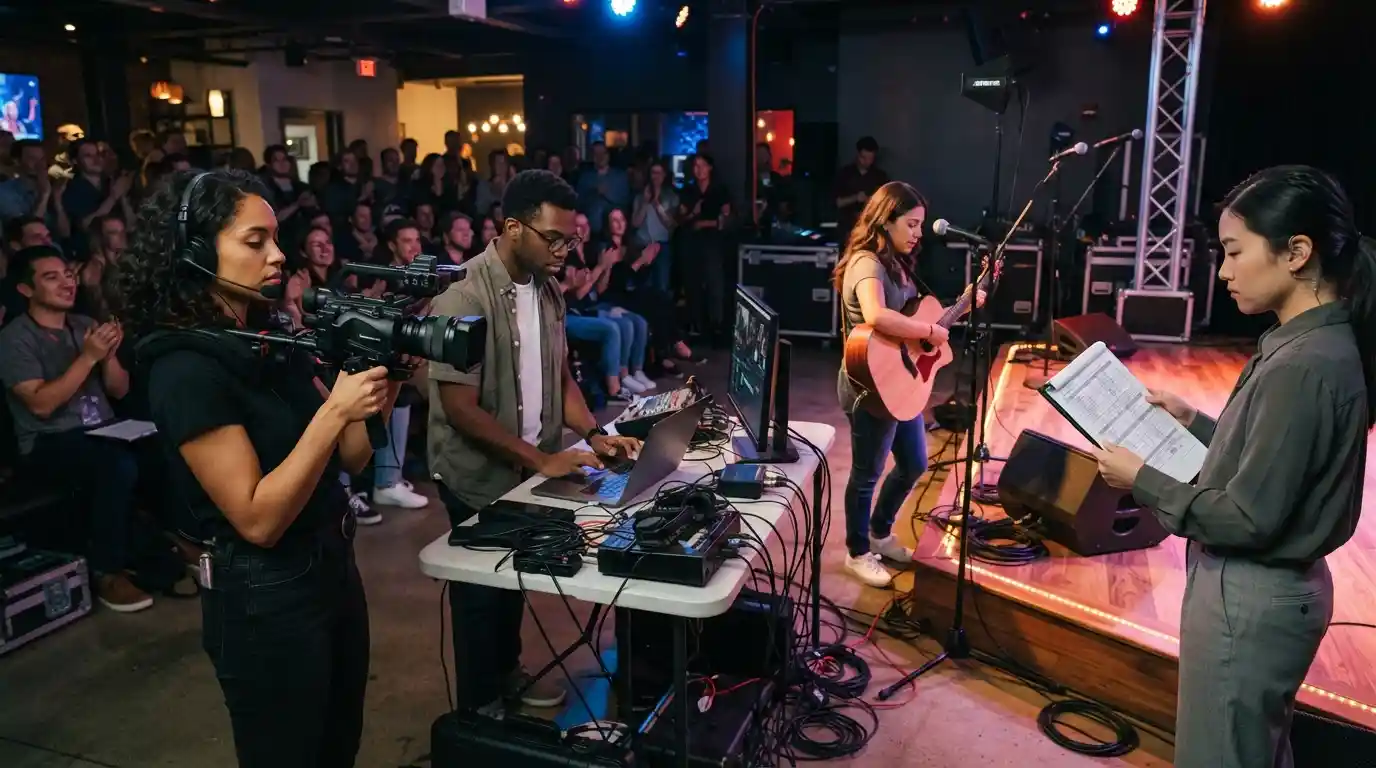
Small entertainment productions often need additional support for filming, lighting, equipment preparation, set organization, audio, editing, or production coordination.
These positions can provide valuable behind-the-scenes experience for people interested in film, television, online video, live events, or digital production.
7. Event Host or Presenter
People with strong communication and public-speaking abilities may find opportunities as event hosts, presenters, moderators, or promotional representatives.
Confidence is useful, but professional preparation matters just as much. A good host needs to understand the event schedule, audience, brand expectations, and communication style.
8. Promotional and Brand Ambassador Roles
Entertainment-related promotions sometimes require people to represent a brand, event, product, or campaign at public locations.
These jobs can involve interacting with audiences, distributing information, supporting promotional activities, or helping create an engaging event atmosphere.
9. Fashion and Entertainment Content Roles
Fashion and entertainment often overlap through events, performances, editorial content, celebrity culture, and visual media.
People interested in this area can explore subjects such as fashion magazine culture, fashion accessories, and broader style trends as inspiration for content and portfolio development.
Historical fashion can also provide creative inspiration. Examples include Dorothy Dandridge’s fashion legacy and 16th-century French fashion.
10. Entertainment Writer or Content Writer
Writing is another potential entry point into entertainment. Websites, newsletters, publications, event companies, and digital brands may need writers for entertainment-related content.
Possible assignments can include event previews, performer profiles, interviews, reviews, trend articles, social media copy, biographies, and promotional material.
Entertainment Jobs Connected to Live Events
Live entertainment creates opportunities beyond performers themselves. Every event requires planning, promotion, logistics, audience management, technical support, photography, and communication.
People who enjoy the event side of entertainment can follow industry calendars and look for seasonal opportunities. A resource such as an entertainment event calendar illustrates how event-focused content can connect audiences with entertainment activities.
These jobs can be especially useful for people who want practical experience before pursuing larger production or event-management roles.
Skills You Need for Part-Time Entertainment Jobs
Entertainment work may look different from one role to another, but several transferable skills are consistently useful.
Creativity
Creative thinking helps professionals develop ideas, solve problems, create engaging content, and respond to unexpected situations.
Creativity does not mean constantly producing something completely new. It also means knowing how to adapt an existing idea for a particular audience or situation.
Communication
Entertainment is built around people. Performers communicate with audiences, event staff coordinate with vendors, content creators communicate with followers, and production teams work across multiple departments.
Clear communication can reduce mistakes and help projects run more smoothly.
Time Management
Part-time work can become difficult when several projects overlap. Rehearsals, events, client deadlines, content production, editing, and administrative work can quickly compete for attention.
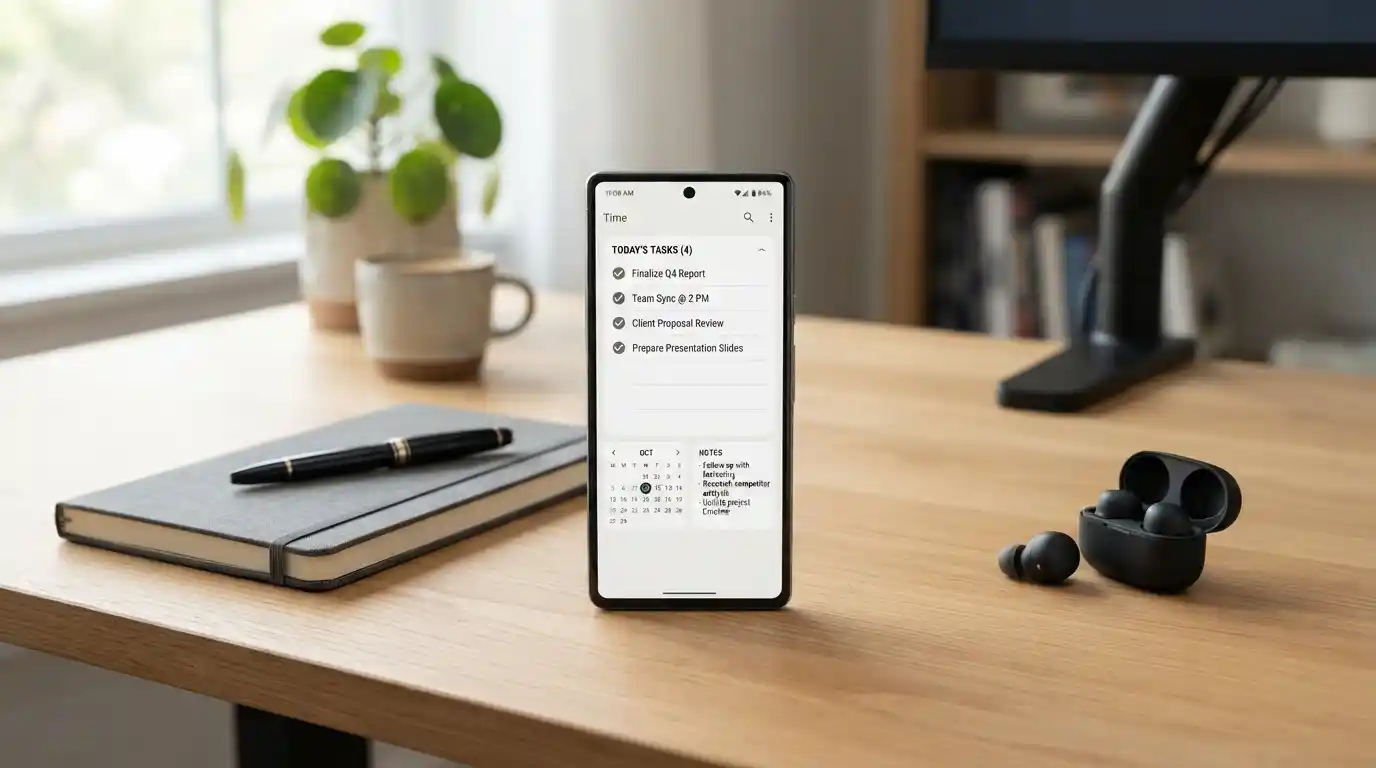
Use calendars, task lists, reminders, and realistic deadlines to prevent overbooking yourself.
Networking
Building professional relationships is valuable in industries where opportunities often come through collaborations, referrals, and repeat clients.
Focus on reliability and professionalism. Delivering good work and communicating clearly can make a stronger impression than simply collecting contacts.
Digital Skills
Modern entertainment work frequently involves digital platforms. Social media, video editing, photography software, online scheduling, communication platforms, and mobile applications can all play a role.
Improving everyday productivity can also help freelancers manage multiple projects. Tools and mobile productivity apps can be useful for organizing schedules, tasks, notes, and communication.
Keeping up with technology developments can also help creative professionals understand changing tools and workflows.
How to Find Part-Time Entertainment Jobs
Finding entertainment work usually requires more than searching for one generic job title. Search according to your specific skill and the type of work you want.
Build a Focused Portfolio
Create a portfolio that demonstrates what you can actually do. A performer can include clips and photographs. A photographer can display selected shoots. A writer can publish relevant samples. A social media specialist can present campaign examples.
Keep the portfolio simple and easy to navigate. Quality is generally more useful than filling it with every project you have ever completed.
Search Local Opportunities
Check venues, event companies, theaters, festivals, production businesses, entertainment agencies, and local organizations.
Many part-time opportunities are tied to specific locations and events, so local networking can be particularly valuable.
Use Freelance Platforms Carefully
Freelance platforms can help beginners find projects, but do not depend on a single source of work. Develop direct professional relationships where appropriate and maintain your own portfolio and professional profiles.
Attend Industry Events
Industry events can provide opportunities to meet people working in areas you want to enter. When attending, focus on learning, introducing yourself professionally, and understanding how the industry works.
How to Make Part-Time Entertainment Work More Profitable
Income can vary considerably depending on the role, location, experience, demand, and type of client. Instead of relying on one type of project, many freelancers eventually develop several related services.
Combine Complementary Skills
A photographer who also knows video editing can offer more value. A social media creator who understands photography can produce better visual campaigns. An event assistant who learns content production can support both event operations and promotion.
Create Repeatable Services
Rather than treating every assignment as completely different, develop clear service packages where appropriate. For example, a creator might offer event photography, short-form video, and social media content as separate or combined services.
Develop a Professional Reputation
Reliability can become one of your most valuable assets. Arriving on time, meeting deadlines, communicating clearly, and delivering consistent quality can encourage clients and organizers to hire you again.
Entertainment, Fashion, Sports, and Lifestyle Opportunities
The entertainment industry frequently overlaps with other lifestyle categories. Performers may work with fashion brands, sports organizations, restaurants, hotels, travel businesses, photographers, and event companies.
For example, sports-related entertainment and branding can involve apparel, fan experiences, promotional content, and live events. Exploring subjects such as sports-inspired apparel can demonstrate how entertainment, sports, and fashion intersect.
Performance-related opportunities can also extend into physical entertainment and fitness environments, making broader sports and lifestyle knowledge useful for creators who want to work across multiple industries.
Technology Is Changing Entertainment Work
Technology continues to change how entertainment is produced, distributed, promoted, and consumed.
Creators can now record professional-looking videos using relatively accessible equipment, distribute content through digital platforms, collaborate remotely, and communicate with audiences without depending entirely on traditional media companies.
Wearable technology is another area worth watching because devices and connected experiences can influence how audiences interact with digital content and entertainment. The broader future of wearable technology provides an example of how emerging technology can influence consumer experiences.
For part-time professionals, the important lesson is not to chase every new technology. Instead, learn the tools that directly improve your work, productivity, communication, or ability to serve clients.
Common Mistakes to Avoid
Taking Every Project
Not every opportunity is a good fit. Accepting too many projects can result in missed deadlines, poor-quality work, and burnout.
Ignoring Contracts and Payment Terms
Before accepting paid work, make sure you understand the scope, deadline, compensation, cancellation terms, and deliverables. Written agreements can help both parties understand their responsibilities.
Underestimating Professionalism
Creative work is still professional work. Responding on time, respecting schedules, protecting client information, and delivering what was agreed upon can make a significant difference.
Relying Only on Social Media
Social media can help build visibility, but it should not be your only professional asset. Maintain a portfolio, professional contact information, relevant work samples, and a record of completed projects.
Is a Part-Time Entertainment Job Right for You?
A part-time entertainment role may be worth exploring if you enjoy creative work, communication, performance, events, media, or working with audiences.
It can also be a useful testing ground for people who are considering a longer-term career change. Instead of leaving a current job immediately, you can start with a manageable number of projects and determine whether the industry matches your interests and lifestyle.
The key is to choose a role based on your actual skills and availability rather than simply choosing the job that sounds the most exciting.
Final Thoughts
Part-time entertainment jobs can provide a flexible route into creative work while allowing people to develop skills, build portfolios, and establish professional relationships. Opportunities range from event coordination and performance to photography, social media, writing, production assistance, and promotional work.
The strongest starting point is to identify one area that matches your existing abilities, create a focused portfolio, gain practical experience, and gradually expand your professional network.
Entertainment careers do not always follow a straight path. A person may begin as an event assistant, move into production, develop photography skills, and eventually build a freelance creative business. Others may combine entertainment work with fashion, sports, technology, or lifestyle projects.
With realistic expectations, professional habits, and a willingness to keep learning, part-time entertainment work can become more than a temporary side job—it can become a foundation for a broader creative career.