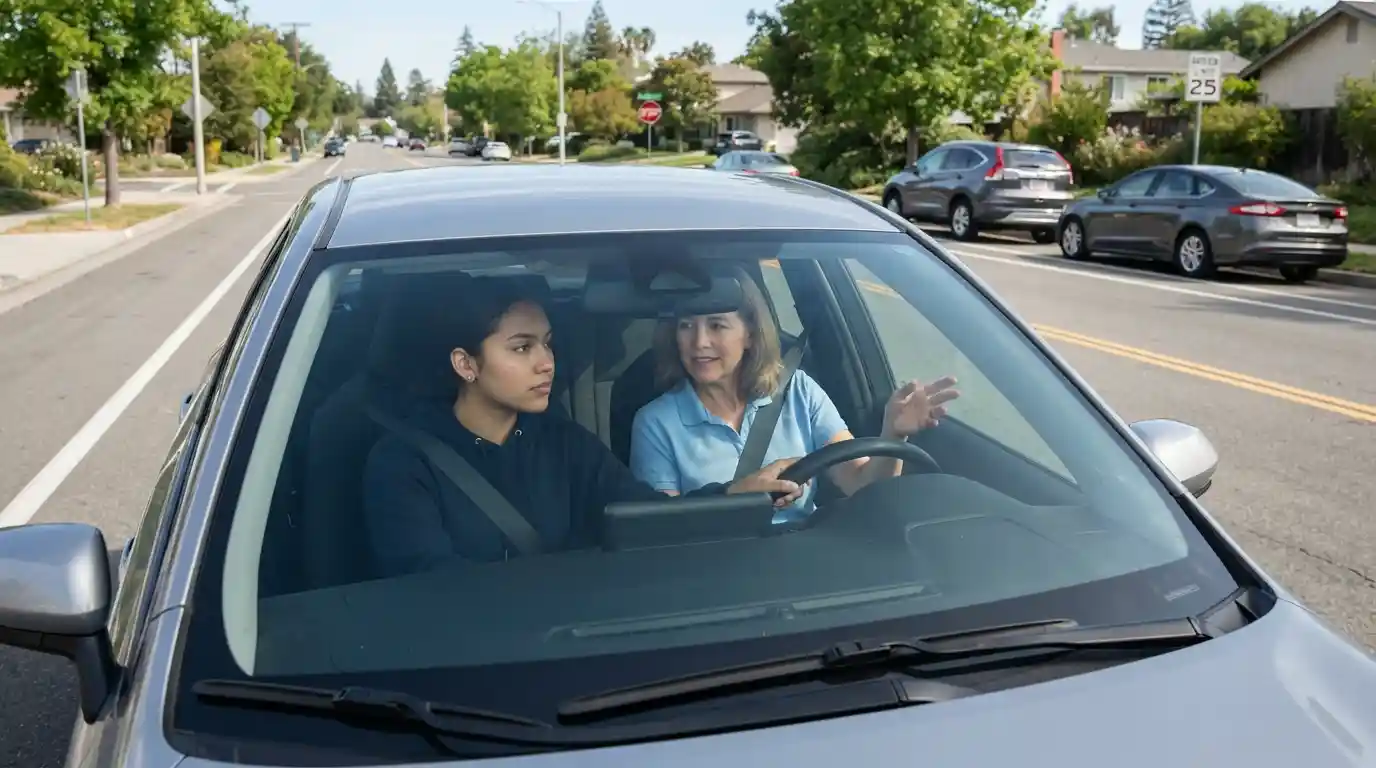
Whether you are a teenager preparing for your first license, a new driver looking for additional practice, or a parent researching driver education options, the right training can make a meaningful difference. A strong program combines classroom knowledge with practical driving experience so students can learn how to handle real-world situations instead of simply memorizing rules.
Why Driver Education Matters
Driving creates responsibilities that extend beyond the person sitting behind the wheel. Every driver shares the road with pedestrians, cyclists, motorcycles, commercial vehicles, emergency responders, and other motorists. Understanding how these road users interact is an essential part of becoming a responsible driver.
Driver education introduces students to important concepts such as traffic signs, right-of-way, lane positioning, speed management, defensive driving, vehicle control, parking, turning, and hazard awareness. These lessons provide a foundation that students can continue developing through supervised practice.
For families comparing different driver education opportunities, it is also useful to understand the importance of keeping the vehicle itself in good condition. Regular inspection and maintenance can complement driver training because a knowledgeable driver still needs a properly maintained vehicle.
For example, learning about professional vehicle care through resources such as Zionsville auto service, professional vehicle maintenance, and auto repair services can help reinforce the connection between vehicle condition and responsible driving.
What Students Should Learn in Driver Education
A comprehensive driver education experience should cover both knowledge and practical skills. Students need to understand what the rules mean and how those rules apply when traffic conditions change.
Understanding Traffic Laws
Traffic laws establish predictable expectations for everyone on the road. Students should become familiar with speed limits, lane rules, intersections, yielding, stopping requirements, signaling, passing, and other essential regulations.
Knowing a rule is only the beginning. A confident driver learns how to recognize when a situation requires extra caution and how to make decisions without creating unnecessary risks for other road users.
Recognizing Road Signs
Road signs communicate important information quickly. Warning signs, regulatory signs, guide signs, and temporary construction signs can all influence how a driver should respond.
New drivers should practice recognizing signs before they encounter them in busy traffic. Familiarity makes it easier to process information without becoming overwhelmed.
Developing Defensive Driving Habits
Defensive driving means anticipating potential problems instead of reacting only after something goes wrong. Drivers should maintain appropriate following distances, scan their surroundings, watch for unpredictable behavior, and remain prepared for changing traffic conditions.
Confidence should never mean becoming careless. The best drivers are confident because they understand their responsibilities and know when to slow down, yield, wait, or change their approach.
Classroom Learning and Practical Driving
Classroom instruction gives students the theoretical foundation they need before they begin applying those concepts behind the wheel. Topics can include road rules, signs, safe vehicle operation, defensive driving, distractions, and decision-making.
Practical driving then turns those concepts into real skills. Students can learn how to control the vehicle, position themselves correctly, make turns, change lanes, park, manage intersections, and respond to different traffic environments.
This combination is important because driving involves continuous decision-making. A student may understand a concept while sitting in a classroom but still need repeated practice before that knowledge becomes a natural driving habit.
Building Confidence Without Becoming Overconfident
One of the most valuable outcomes of driver education is appropriate confidence. New drivers often experience uncertainty when they first encounter busy intersections, unfamiliar roads, heavy traffic, or changing weather conditions.
Training can help reduce that uncertainty by giving students a structured way to approach difficult situations. Instead of guessing what to do, they can rely on practiced techniques and established safety habits.
At the same time, students should understand the difference between confidence and overconfidence. A driver who assumes that nothing can go wrong may take unnecessary risks. A confident driver remains alert, leaves room for mistakes by others, and adapts to conditions.
Vehicle Awareness Is Part of Being a Better Driver
Driver education should not end with steering, braking, and traffic rules. Basic vehicle awareness can also make drivers more responsible.
Drivers should know how to identify warning lights, check tires, understand basic fluid requirements, maintain visibility, and recognize when a vehicle needs professional attention.
Resources covering professional auto care and reliable vehicle service can provide additional context for understanding why routine maintenance matters.
Vehicle visibility is another area worth considering. In places where window tint regulations apply, drivers should also understand applicable requirements. A related resource on legal window tint requirements illustrates how vehicle modifications can intersect with road-use rules.
How New Drivers Can Practice Safely
Practice should be gradual and purposeful. New drivers do not need to immediately tackle the most difficult driving environment available. Building skills step by step can create a stronger foundation.
Start With Familiar Roads
Early practice sessions can focus on quiet roads and familiar areas. This allows students to concentrate on vehicle control, observation, braking, turning, and signaling without excessive distractions.
Progress to More Complex Traffic
As skills improve, drivers can gradually practice in busier areas. Intersections, multilane roads, parking areas, and higher-traffic environments introduce additional decision-making challenges.
Practice Different Driving Situations
Drivers should eventually gain experience with different road layouts and traffic patterns. This helps prevent overreliance on one familiar route.
Planning longer drives can also encourage drivers to think ahead about routes, stops, traffic, and road conditions. Travel resources such as Texas travel destinations, Oklahoma destinations, and Colorado Springs attractions can be useful examples when thinking about how different destinations may involve different road environments.
Preparing for Longer Road Trips
Once a driver becomes comfortable with everyday driving, longer journeys can introduce a new set of challenges. Extended trips require route planning, regular breaks, vehicle preparation, and awareness of changing traffic conditions.
Drivers should avoid treating a long-distance journey as simply a longer version of a short drive. Fatigue, unfamiliar roads, weather changes, and unexpected congestion can all affect concentration.
For families traveling with children, planning the journey around safe stops and realistic driving periods can make the experience more manageable. A broader travel resource such as places to visit in the USA with kids can also inspire trip planning while keeping the driving portion of the journey in perspective.
Understanding Commercial Vehicles and Sharing the Road
New drivers will eventually encounter trucks, delivery vehicles, buses, trailers, and other commercial transportation. Understanding that these vehicles may require more space and additional time to maneuver can help passenger-vehicle drivers make safer decisions.
Learning about dedicated transportation and brokerage services can provide useful background on how professional transportation operates, while resources about logistics carrier operations show the broader role commercial transportation plays in moving goods.
Drivers may also encounter professional carriers from companies and networks involved in freight transportation. Related resources on logistics efficiency, carrier operations, freight shipping services, and global shipping operations provide broader context about the transportation systems that passenger drivers share the road with.
Technology and Modern Driving
Technology can support drivers, but it should never replace attention. Navigation systems, vehicle displays, smartphone applications, and connected-car features can provide useful information, yet drivers still need to remain focused on the road.
Learning how to use technology responsibly is especially important for new drivers. Navigation should be configured before moving whenever possible, and a driver should avoid interacting with a handheld device while driving.
The broader relationship between technology and everyday activities can be explored through topics such as mobile apps and productivity. The key lesson for drivers is simple: technology should support the driving task rather than compete with it.
Driver Education and Transportation Careers
For some students, learning to drive is only the first step toward a future involving transportation. Commercial driving, logistics, delivery, fleet operations, and other transportation careers all depend on strong road awareness and responsible vehicle operation.
Resources such as logistics workforce mobility demonstrate how transportation skills can connect with larger professional systems.
Even students who never pursue transportation as a career benefit from understanding how different types of road users operate. Sharing the road becomes easier when drivers anticipate the needs and limitations of other vehicles.
Tips for Parents Helping New Drivers
Parents and guardians can play an important role in reinforcing lessons learned through formal driver education. Consistent practice can help students develop habits that remain useful after they receive their license.
- Encourage attentive driving rather than rushing.
- Practice gradually in different environments.
- Discuss potential hazards before they become problems.
- Emphasize appropriate following distance.
- Reinforce the importance of seat belts.
- Discourage phone use and other distractions.
- Teach students to adjust driving for weather and traffic.
- Encourage routine vehicle checks.
- Use mistakes as opportunities to improve rather than reasons to panic.
- Model calm and responsible driving behavior.
Common Mistakes New Drivers Should Avoid
New drivers often struggle with a few predictable habits. Recognizing these issues early can help students correct them before they become deeply established.
Following Too Closely
Tailgating reduces the amount of time available to respond when the vehicle ahead brakes suddenly. Maintaining a safe following distance gives drivers more time to react.
Focusing Only on the Vehicle Immediately Ahead
Good drivers scan farther down the road and check mirrors regularly. Looking beyond the nearest vehicle can provide earlier warning of traffic changes.
Driving Too Fast for Conditions
A posted speed limit does not guarantee that the same speed is appropriate in every situation. Rain, congestion, visibility, road design, and traffic behavior can all require additional caution.
Becoming Distracted by Technology
Even a short distraction can reduce awareness. New drivers should develop the habit of keeping their attention on driving and handling navigation or other tasks before beginning the journey whenever possible.
Assuming Other Drivers Will Always Behave Correctly
Defensive driving requires anticipating mistakes. A driver should be prepared for another vehicle to change lanes unexpectedly, fail to yield, stop suddenly, or otherwise behave unpredictably.
Why Consistent Practice Builds Better Drivers
Driving competence develops through repetition. A student may understand the mechanics of a maneuver after seeing it demonstrated, but repeated practice helps turn that knowledge into a reliable skill.
The objective should not be to accumulate hours without purpose. Each practice session should have a clear focus, such as lane changes, parking, intersections, highway merging, observation, or defensive driving.
Over time, these skills can become more automatic, allowing drivers to devote more attention to scanning their surroundings and anticipating potential hazards.
ABC Driver Education: Turning Knowledge Into Safer Driving Habits
ABC Driver Education represents the broader value of structured driver training: helping students develop the knowledge, practical skills, awareness, and confidence needed to become responsible road users.
Successful driver education is not simply about learning how to operate a vehicle. It is about understanding the responsibility that comes with driving and developing habits that support safer decisions every time the vehicle moves.
For new drivers, the journey toward independence should begin with strong fundamentals. Learn the rules, practice consistently, understand the vehicle, anticipate hazards, avoid distractions, and remain willing to improve.
With the right education and continued practice, students can move toward becoming more capable, composed, and responsible drivers—ready to approach the road with confidence while respecting everyone who shares it.
Frequently Asked Questions About Driver Education
What is the purpose of driver education?
Driver education teaches new drivers the knowledge and practical skills needed to operate a vehicle responsibly. It typically combines classroom learning with hands-on driving practice.
Does driver education improve driving confidence?
Structured training and repeated practice can help new drivers become more comfortable with common driving situations. Confidence is most valuable when it is combined with caution and good decision-making.
What should a new driver practice?
New drivers should practice vehicle control, braking, turning, lane changes, parking, intersections, observation, following distance, defensive driving, and other skills appropriate to their level of experience.
Why is defensive driving important?
Defensive driving encourages motorists to anticipate potential hazards and leave enough time and space to respond. It helps drivers prepare for situations that may result from the actions of other road users.
Should new drivers practice in different environments?
Yes. After establishing basic vehicle-control skills, gradual exposure to different roads, traffic levels, intersections, and driving conditions can help build broader experience.
How can parents support a new driver?
Parents can provide calm supervision, encourage consistent practice, reinforce safe habits, and model responsible behavior behind the wheel.
Final Thoughts
Becoming a confident driver is a process rather than a single milestone. Formal education provides the foundation, practical experience develops skills, and continued awareness helps drivers make better decisions over time.
ABC Driver Education reflects an important principle for every new motorist: confidence should come from preparation, practice, awareness, and responsible decision-making. When those qualities come together, drivers are better prepared to handle the everyday challenges of the road while contributing to a safer driving environment for everyone.