Before scheduling an installation, understand how the law applies to your vehicle, how tint darkness is measured, and what to check after the film has been installed. This guide explains the essential requirements for drivers who want attractive window tint without unnecessary legal or inspection problems.
What Is the Legal Window Tint Limit in Mississippi?
Mississippi generally requires vehicle windows covered by its tint law to meet a minimum visible light transmission (VLT) level of 28%, subject to statutory exceptions. VLT measures how much visible light passes through the window glass and tint combined. A higher VLT percentage means a lighter window, while a lower percentage means a darker appearance.
For ordinary passenger vehicles, choosing a tint that allows at least 28% of visible light through is a useful starting point. However, factory-installed glass, vehicle classification, and specific statutory exemptions can affect the applicable requirements. Drivers should confirm the rules for their particular vehicle before purchasing aftermarket film.
Mississippi Window Tint Rules by Window Position
Front Windshield
Mississippi generally prohibits aftermarket tint or darkening material across the windshield, except for an authorized sun-shield or shade-band area at the top. Do not assume that a transparent-looking film is automatically permitted. Before installing windshield film, ask the installer to confirm that its placement and material comply with state law.
Front Side Windows
The front side windows are important for driver visibility and communication with law enforcement. The general 28% VLT requirement applies unless a valid statutory exception covers the vehicle. Because the original glass already reduces some light, the final glass-and-film combination matters more than the darkness printed on the film packaging.
Rear Side Windows
For ordinary passenger cars, the general light-transmission requirement also applies to the rear side windows. Mississippi law provides a separate exception for certain windows behind the front two side windows on pickups, vans, motor homes, recreational vehicles, SUVs, and multipurpose vehicles, subject to the relevant federal factory-glazing standards.
Rear Windshield
The rear windshield of an ordinary passenger car is generally subject to the same 28% VLT requirement. Certain larger vehicle classes may qualify for the statutory exception described above. If your vehicle has dark factory glass, verify its classification and applicable requirements before adding another layer of film.
Understanding VLT Percentages
Visible light transmission is one of the most important measurements when choosing legal window tint. It describes the percentage of visible light that can pass through the complete window assembly.
- 70% VLT: Allows a relatively high amount of visible light through.
- 50% VLT: Provides moderate light reduction while retaining substantial visibility.
- 35% VLT: Produces a darker appearance but may not satisfy Mississippi’s general 28% minimum once installed over existing glass.
- 20% VLT: Is darker than the general minimum permits for windows subject to that requirement.
These examples describe VLT values, not automatic legal approval. If a film is advertised as 35% VLT, the finished window may transmit less light because the original glass also absorbs or reflects some visible light. Ask for a measurement of the completed window rather than relying solely on the film label.
Are Reflective or Mirrored Tints Legal?
Mississippi prohibits glazing material that causes a mirrored effect on the windshield, side wings, side windows, or rear windows, subject to the wording of the applicable law. Highly reflective films can therefore create compliance problems even when their visible light transmission appears acceptable.
Choose a non-mirrored film and ask the installer to explain its reflectivity and suitability for your vehicle. Do not assume that a product sold online or advertised as suitable for automotive use automatically complies with Mississippi requirements.
Medical Window Tint Exemptions
Mississippi provides a medical exemption for qualifying people whose diagnosed physical condition or disease is seriously aggravated by minimal exposure to sunlight. The exemption is not automatic, and a medical recommendation alone should not be treated as permission to install any darkness of tint.
Under the updated state provisions, a qualifying diagnosis may be made by a Mississippi-licensed physician or a Mississippi-licensed optometrist. The required medical exemption certificate must be obtained through the appropriate county tax collector’s office and displayed prominently on the vehicle dashboard.
Before arranging an installation, confirm the current application requirements, supporting documentation, and certificate conditions with the relevant county office. Keep the exemption documentation available and ensure that the tint is installed consistently with the authorization granted.
Factory Tint and Vehicle-Specific Exceptions
Some vehicles leave the factory with tinted glazing. Mississippi law distinguishes certain factory-installed glazing from aftermarket tint added after delivery. It also provides an exception for specified windows behind the front two side windows of certain larger vehicles when the glazing meets applicable federal factory-installation standards.
This does not mean every SUV, truck, or van can use any aftermarket tint darkness. The vehicle must qualify for the relevant exception, and the applicable conditions must be met. Confirm the vehicle’s classification and original glazing specifications before making changes.
How to Check Whether Your Tint Is Compliant
Checking tint compliance before an inspection can help you avoid an unnecessary reinstallation. Follow these practical steps:
- Identify your vehicle type. Confirm whether your vehicle is an ordinary passenger car, pickup, van, SUV, motor home, or another qualifying class.
- Check the original glass. Factory tint affects the final amount of light passing through the window.
- Ask for the film specifications. Request the manufacturer’s stated VLT and reflectivity information.
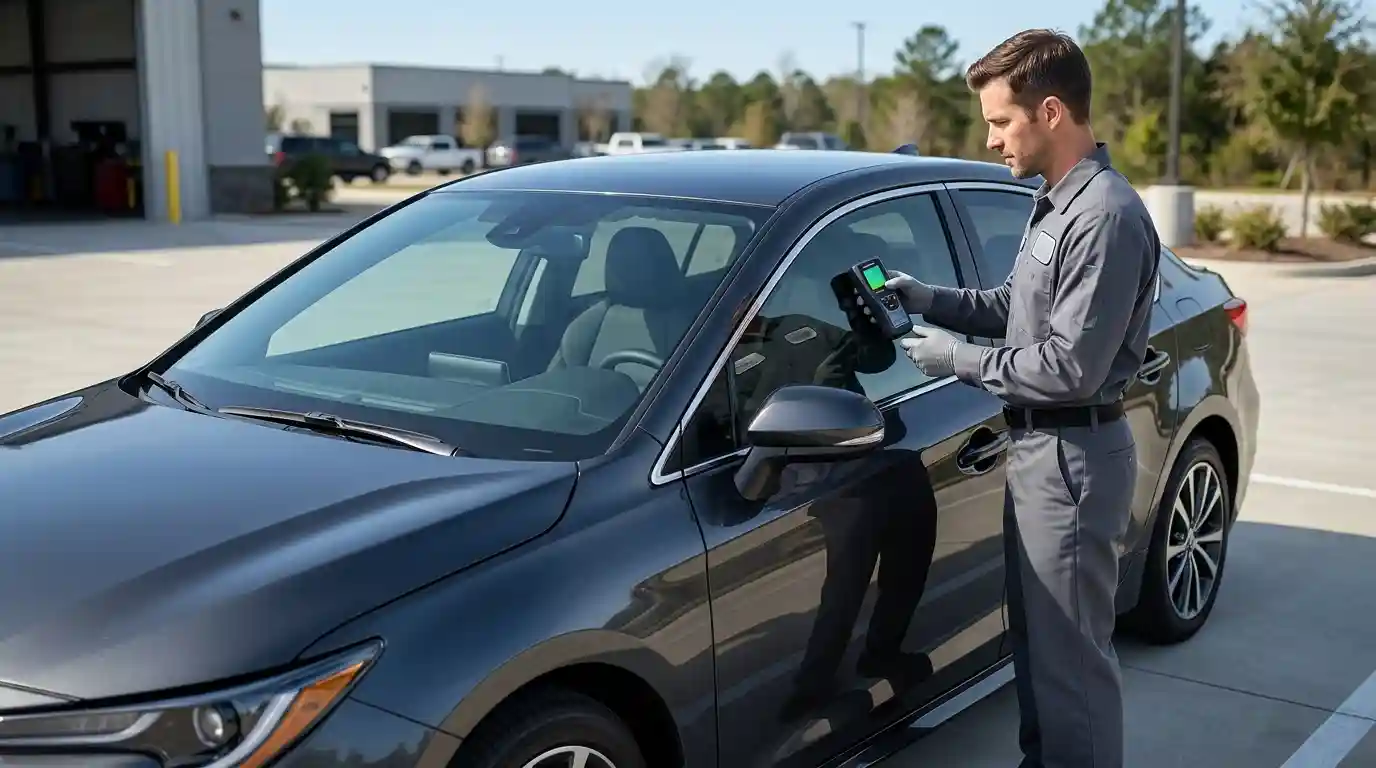
- Measure the finished window. Have the installed glass-and-film combination checked using an appropriate tint meter.
- Verify the installer. Use a professional who understands Mississippi’s tint requirements and can explain the compliance process.
- Keep relevant documents. Retain installation details and any valid medical exemption certificate.
Mississippi maintains a tint compliance program and authorizes inspection stations to conduct tint testing. Contact the state Driver Service Bureau or an authorized tint inspection station if you need confirmation about the inspection process or your vehicle’s status.
Penalties for Illegal Window Tint in Mississippi
Noncompliant window tint can result in legal consequences. The state law addresses both the operation of vehicles with prohibited tint and the installation of material that causes a vehicle to violate the applicable requirements. The statutory penalty provisions distinguish among different violations and repeat offenses.
Drivers should not assume that removing tint after receiving a citation will automatically resolve every legal obligation. If an enforcement action occurs, review the citation, follow any instructions provided by the relevant authority, and obtain legal advice if you are uncertain about your options.
Choosing a Window Tint Installer
A reputable installer should be able to explain the available film options, show product specifications, and discuss how factory glass affects the final VLT measurement. Ask whether the shop checks completed installations and whether it can direct customers to an authorized tint inspection station when necessary.
It is also sensible to consider the film’s heat rejection, UV protection claims, durability, warranty, and compatibility with your vehicle. These performance features are separate from legal compliance, so a premium film must still meet the rules applicable to the windows on which it is installed.
For broader vehicle maintenance, you can also explore our guides to vehicle care and servicing, automotive maintenance services, and professional auto repair.
Frequently Asked Questions
Is 20% tint legal in Mississippi?
A 20% VLT film is darker than the general 28% minimum permits for windows subject to that requirement. A statutory exception may apply in specific circumstances, so verify your vehicle’s eligibility before installation.
Can I tint my entire windshield?
Mississippi generally prohibits tinting the windshield except for an authorized sun-shield area at the top. Confirm the permitted placement before installing any windshield film.
Can an SUV have darker rear windows?
Certain SUVs and other qualifying vehicle types may fall within the exception for windows behind the front two side windows. The applicable federal factory-glazing standards and statutory conditions still matter.
Does factory tint count toward VLT?
Yes. The original glass affects the amount of light passing through the finished window. An installer should assess the complete glass-and-film combination rather than relying only on the aftermarket film’s advertised percentage.
How can I get a medical tint exemption?
Speak with a qualifying Mississippi-licensed medical professional and contact your county tax collector for the current application and certificate requirements. Do not assume that a diagnosis alone authorizes darker tint without the required documentation.
Final Thoughts
Choosing compliant window tint in Mississippi starts with understanding VLT, the restrictions on windshield tint and mirrored glazing, and the exceptions that may apply to particular vehicles or medical circumstances. Before installation, verify the requirements for your vehicle, select a suitable film, and arrange a measurement of the completed windows.
A careful approach can help you enjoy the comfort and appearance of tinted windows while reducing the risk of compliance problems. When a rule or exemption is unclear, confirm the current requirements with Mississippi’s Driver Service Bureau or an authorized tint inspection station before making changes.
Related Vehicle Care and Driving Resources
Keeping a vehicle in good condition involves more than selecting the right window tint. These additional resources cover maintenance, driving skills, vehicle performance, and transportation considerations.
- Auto care and vehicle servicing
- Reliable car care services
- Tire purchases and vehicle maintenance budgeting
- Vehicle tuning and performance considerations
- Driver education and road awareness
- Safe driving skills and training
- Dedicated transportation versus brokerage services
- Transportation logistics and workforce mobility
- Shipping and logistics services
- Global transportation and shipping
- Freight operations and carrier setup
- Supply chain and transportation efficiency